
Above Ground Pool Fence Requirements & Safety Guide

Trying to decide between fenced vs unfenced above ground pool setup
Read full question
Looked into several above ground pool options for our backyard and now weighing whether to install fencing or go without it. Trying to decide between a fully fenced setup versus just relying on removing the ladder for safety. Our neighborhood has some families with young kids, and I want to make sure we're doing the right thing both legally and safety-wise. What are the actual requirements and best practices here?
Quick Answer
Most areas require safety barriers for above ground pools, though requirements vary by location. Even where not legally required, proper fencing or barriers significantly reduce drowning risks and provide liability protection.
Legal Requirements Vary by Location
Above ground pool fencing requirements depend entirely on your local building codes and HOA regulations. Many municipalities treat above ground pools the same as in-ground pools when it comes to safety barriers, especially for pools over certain depths - verify requirements with your local authority. Some areas require permits and inspections, while others have no requirements at all.
I'd recommend contacting your local building department and homeowners association before installation. Requirements typically cover barrier height (commonly 4-6 feet, but verify local requirements), gate specifications, and spacing between fence slats. Some areas accept removable ladders as sufficient barriers, while others require permanent fencing regardless of pool type.
Safety Considerations Beyond Legal Requirements
Even where not legally mandated, pool barriers dramatically reduce accident risks. Drowning can occur very quickly, often silently. Young children are naturally drawn to water, and above ground pools can be surprisingly accessible to determined kids.
Removable ladders alone aren't foolproof - children can stack objects, climb the pool wall, or access the pool when adults briefly replace the ladder. A proper barrier system creates multiple layers of protection and gives you peace of mind.
Effective Barrier Options
- Traditional fencing: Permanent 4-6 foot fence around the pool area with self-closing, self-latching gates
- Removable pool fences: Mesh fencing systems that can be installed and removed seasonally
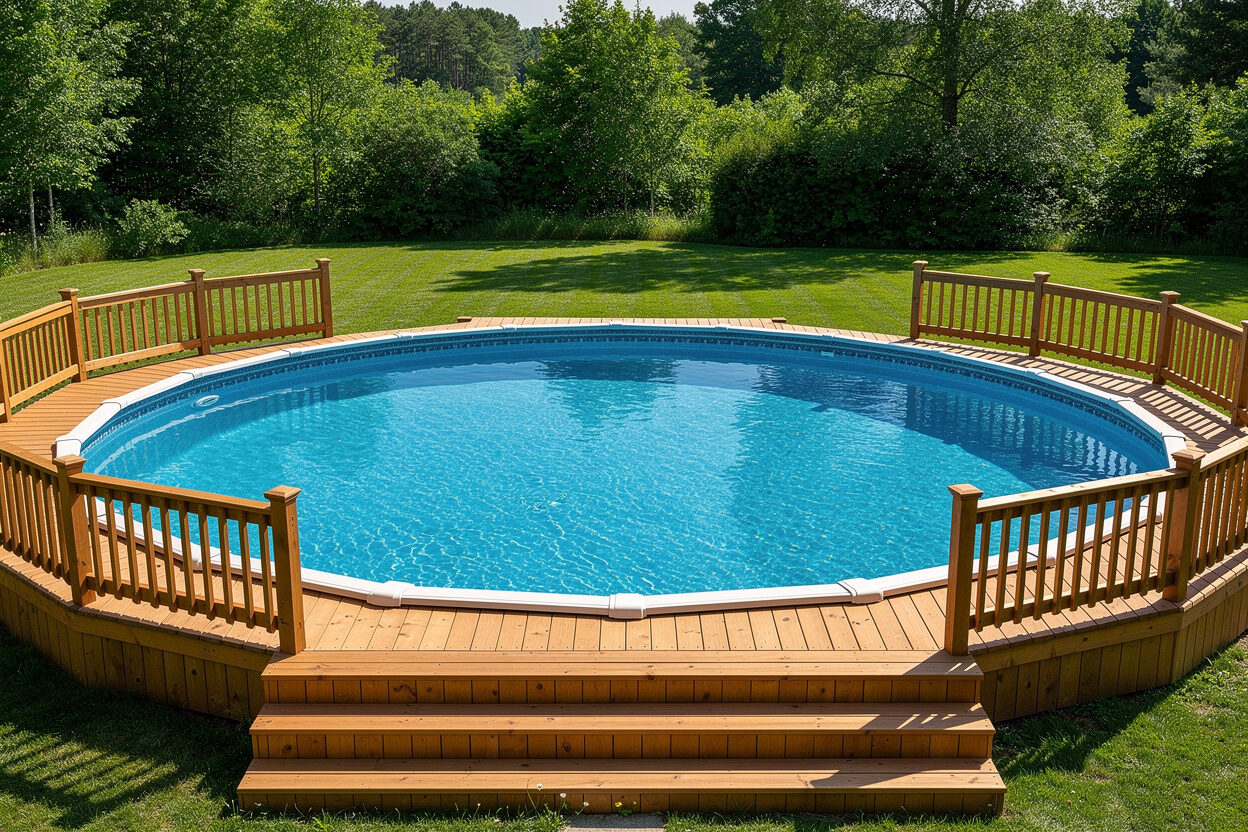
- Pool deck barriers: Railings and gates built into elevated pool decks
- Pool alarms: Supplemental safety devices that detect surface disturbance
- Pool covers: Safety covers rated to support weight (not standard winter covers)
Installation and Compliance Tips
If fencing is required or desired, ensure proper installation before filling your pool. Gates should open outward from the pool area and include spring-loaded latches mounted at the height specified by local code (commonly 54 inches from ground level, but verify requirements). Fence spacing should prevent children from squeezing through - typically no gaps larger than 4 inches, but confirm local specifications.
For deck-mounted pools, the deck itself may serve as part of the barrier system if properly designed with appropriate railings and access control. Always verify your specific installation meets local code requirements through proper inspection channels.
Tools and Materials Needed
Fencing installation typically requires post-hole diggers, level, drill, concrete mix, and appropriate hardware. Professional installation ensures code compliance and proper anchoring, especially in areas with specific soil or wind load requirements.
Insurance and Liability Factors
Many homeowner's insurance policies require safety barriers for pool coverage. Even in areas without legal requirements, lack of proper barriers can affect liability coverage and claims processing. Contact your insurance provider to understand their specific requirements and any potential premium impacts.
Proper barriers also demonstrate reasonable care in premises liability situations. This protection extends beyond your own family to neighbors, visitors, and even trespassers in many jurisdictions.
Making the Right Choice
While removable ladders provide some protection, dedicated barriers offer superior safety and often better legal protection. Consider your specific situation: neighborhood demographics, property layout, and family needs. The relatively modest cost of proper barriers typically pays for itself in insurance benefits and peace of mind.
Remember that safety barriers work best as part of comprehensive pool safety practices including supervision, swimming instruction, and emergency preparedness.
Still need help? Ask a Pool & Spa Expert AD
Get a personalized answer from PoolGuy810 — 30 years owning a pool and spa repair company. Describe your issue and get step-by-step help.
Related Pool Guides
Need More Help?
Try our free pool calculators and tools to help diagnose and fix your pool problems.
Browse Pool ToolsSLAM calculator, pH calculator, salt dosing & more