

How to Winterize a Salt Cell: Closing Your Pool

Inherited a Salt Pool – What Do I Do With the Cell at Closing?
Read full question
Nobody left me any notes when I bought this house last spring — just a running saltwater inground pool and a shed full of chemicals I had to figure out on my own. Now that the season is wrapping up, I'm staring at the salt chlorine generator wondering what the previous owner used to do with it every fall. Do I pull the cell out of the plumbing and store it somewhere inside, or is it okay to leave it sitting in the unions all winter? I'm also not sure if I should clean it before I put it away, or if that's even necessary.
On top of that, I'm trying to figure out the right order of operations. Do I shut the generator off before I add the winterizing chemicals, or after? And should I be worried about what all that salt in the water does to the pool shell, fittings, or anything else while it just sits there for five or six months under a cover? I want to make sure I'm not inheriting a bigger problem in the spring than the one I already started with.
Quick Answer
Remove the salt cell before closing, clean the plates if scale is present, then store the cell indoors for the season. Cap the empty unions with a dummy cell or appropriate fitting, shut off the chlorinator at the breaker, and switch to manual chlorine for any late-season needs. The salt level in the water itself is generally not a concern over winter as long as chemistry is balanced at closing.
The Previous Owner Probably Just Winged It — Here's the Right Way
It's common to inherit a saltwater chlorination system. Winterizing it properly is simple once you understand the core task: you must remove the salt cell, inspect and clean it if needed, and store it safely inside for the winter. Everything else in the process supports this main goal.
For a full understanding of your equipment, our salt water pool complete guide covers the fundamentals of how these systems function.
Remove the Cell Before Anything Freezes
Trapped water inside the cell can freeze and expand, cracking the housing or damaging the sensitive internal plates. This is a critical step to prevent a costly repair.
Follow this sequence for best results:
- First, power down the chlorinator at its control panel, then turn off its circuit breaker. Never perform shutdown tasks with the system live.
- Disconnect the union fittings at both ends of the salt cell. Check the O-rings, clean them, and apply a silicone-based lubricant. Keep these O-rings with the cell so you don't lose them.
- Inspect the cell's internal plates. Shine a light through it. Light calcium scale looks like a white film; heavy buildup is crusty. If clean, a fresh water rinse is enough. If scale is present, clean it with a diluted acid solution mixed precisely as your manual states—ratios vary. Do this outside or in a very well-ventilated area while wearing chemical-resistant gloves and eye protection. Always add acid to water, never water to acid, and keep a hose nearby. Rinse the cell thoroughly after cleaning. Do not acid-clean a clean cell, as this gradually wears down the plate coating.
- Seal the open plumbing. Install the system's bypass pipe or dummy cell if available. Otherwise, cap the open unions with the correct PVC fitting or threaded plug.
- Store the salt cell indoors in a spot that will not freeze, like a basement, heated garage, or utility closet.
The Control Box Can Usually Stay Outside
The control unit or generator is generally designed to endure winter weather, as long as its housing is sealed and its gaskets are in good condition. Inspect for cracks or damaged weatherstripping, ensure the breaker stays off, and you can typically leave the box in place.
Turn the Generator Off Before the Closing Chemicals Go In
Deactivate the salt generator before you add shock and closing chemicals to avoid generating extra chlorine on top of your shock dose. Shock the pool first; add winter algaecide only after chlorine levels have dropped back down, as high chlorine breaks down algaecide. For salt pools, choose a non-copper algaecide like polyquat to prevent staining. Run the pump normally to circulate the chemicals; water will flow through the bypass or empty cell housing regardless, so the cell can be removed before or after this step.
For a full shutdown procedure, see our complete pool closing guide.
What About All That Salt Sitting in the Water?
This is a common and legitimate concern. Salt does not evaporate or degrade over the winter; it stays dissolved in the water. The real risk isn't losing salt, but whether unbalanced water chemistry might cause corrosion on metal fixtures, ladders, lights, or the pool surface during the cold, stagnant months.
The key is this: you must carefully balance your pool water chemistry before closing. This means adjusting not just chlorine, but pH, alkalinity, and calcium hardness as well. Properly balanced salt water is generally no more corrosive over winter than balanced traditionally chlorinated water. However, salt water that is acidic or has low calcium hardness can become more aggressive to surfaces and hardware—making pre-closing balance especially vital for salt pools.
For pools with exposed metal components like ladder sockets or light niches, consider installing zinc anodes. These sacrificial metals corrode instead of your pool's valuable hardware and are a recommended protective step for salt systems installed near metal.
Preventing the Spring Headaches Before They Start
A common mistake is assuming the salt system will restart perfectly in spring. Avoid issues with these steps:
- Test and record your pool's salt level before closing. Use a salt test strip or digital meter, write down the result, and use it as a spring baseline. In spring, our salt calculator can help determine how much salt to add if levels dropped from dilution or splash-out.
- Inspect the cell plates again when opening the pool, before reinstalling. Dust or oxidation can form even in storage. A quick visual check can prevent future problems.
- Wait to reinstall the cell until the pool water is consistently above your unit's minimum operating temperature, as noted in the manual—often 50–60°F. Most generators produce chlorine inefficiently in cold water, and running them needlessly wears the plates. Use manual chlorination (like liquid chlorine or tablets) in early spring until the water warms up.
- Before spring startup, check all O-rings and union seals. The O-rings you lubricated at closing should be fine, but a quick inspection is prudent.
- Fully rebalance your pool's chemistry before turning the chlorinator back on. Chlorine demand, pH, and salt levels all shift over winter. Get all parameters within their correct ranges first, then let the automated system resume control.
Salt systems are relatively low-maintenance once you understand their seasonal requirements. Proper winterization is the most crucial part, focused on protecting the expensive cell. Storing it indoors after a proper cleaning is a small effort compared to the cost of a replacement.
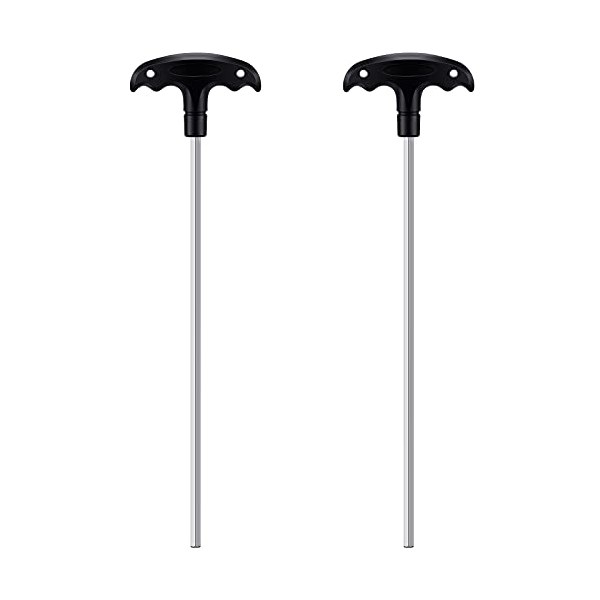 Pool Safety Cover Hex Key Tool (2-Pack)
Hex keys to install or remove a pool safety cover. View on Amazon →
Pool Safety Cover Hex Key Tool (2-Pack)
Hex keys to install or remove a pool safety cover. View on Amazon →
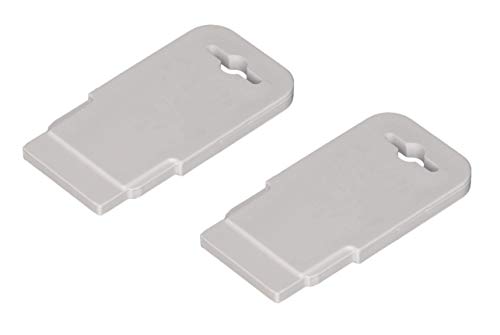 Pool Eyeball / Return Jet Fitting Removal Tool (ATIE)
Pops out & reseats Hayward SP1419 return-jet eyeballs — handy for closing. View on Amazon →
Pool Eyeball / Return Jet Fitting Removal Tool (ATIE)
Pops out & reseats Hayward SP1419 return-jet eyeballs — handy for closing. View on Amazon →
 Acid Blue - Low Fume Muriatic Acid for Swimming Pools & Spas - Lower's pH, Reduces Alkalinity - 2 Gallon
View on Amazon →
Acid Blue - Low Fume Muriatic Acid for Swimming Pools & Spas - Lower's pH, Reduces Alkalinity - 2 Gallon
View on Amazon →
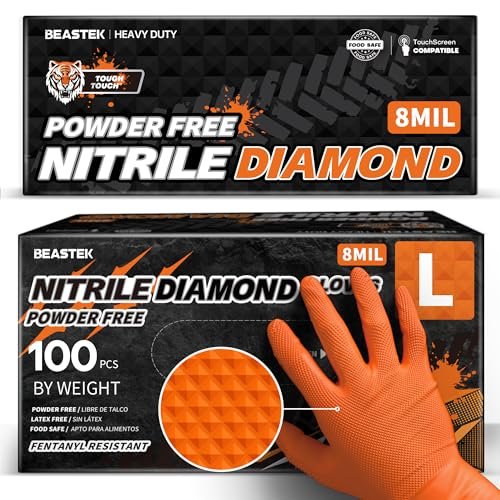 Beastek 8-mil Chemical-Resistant Nitrile Gloves
Disposable nitrile gloves for safe handling of pool chemicals. View on Amazon →
Beastek 8-mil Chemical-Resistant Nitrile Gloves
Disposable nitrile gloves for safe handling of pool chemicals. View on Amazon →
Still need help? Ask a Pool & Spa Expert AD
Get a personalized answer from PoolGuy810 — 30 years owning a pool and spa repair company. Describe your issue and get step-by-step help.
Related Pool Guides
Need More Help?
Try our free pool calculators and tools to help diagnose and fix your pool problems.
Browse Pool ToolsSLAM calculator, pH calculator, salt dosing & more