
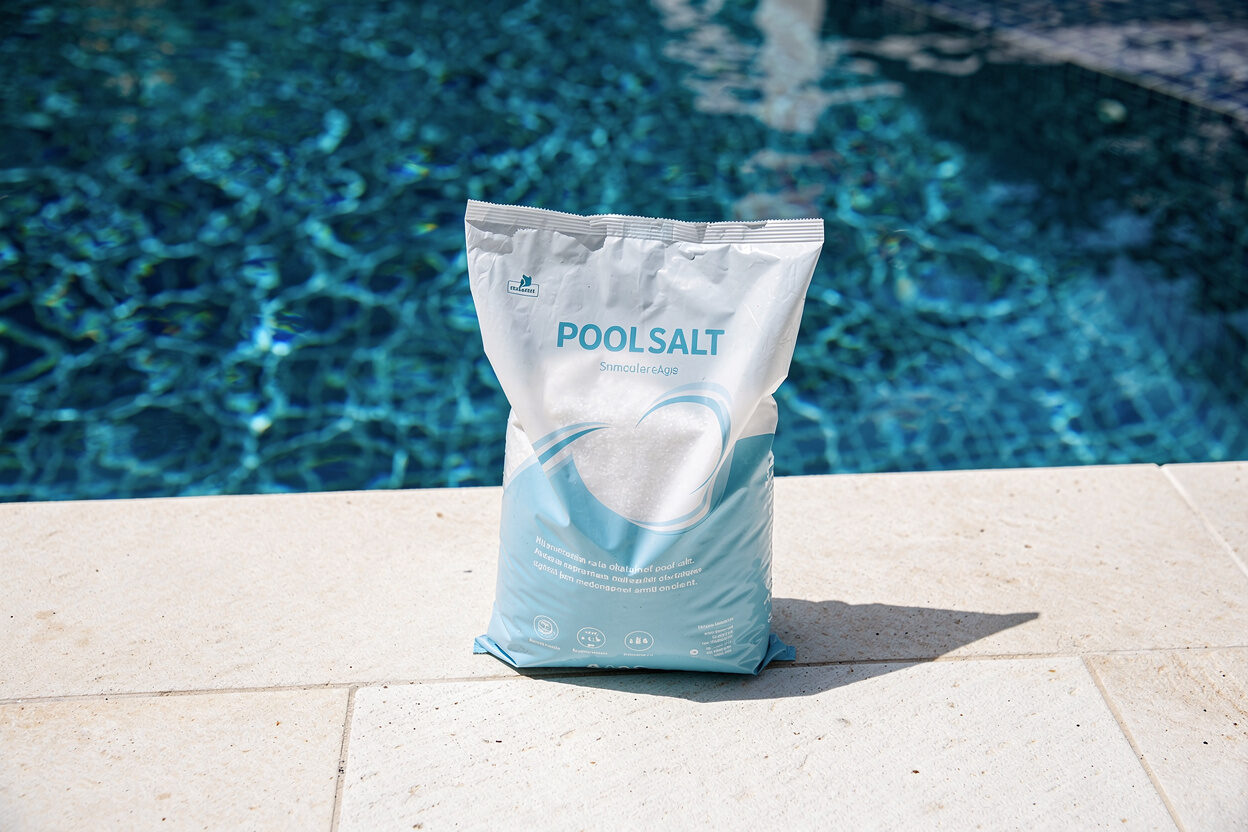
How to Clean Pool Salt Cell - Remove Calcium Buildup Fast

What's the proper procedure for cleaning calcium off salt cells?
Read full question
I looked forward to pool season all winter, but every spring when I fire up my salt chlorinator, the same calcium buildup destroys my chlorine output. The cell has been operating for several months and I'm noticing reduced chlorine output, which typically indicates mineral buildup on the plates.
What's the standard procedure for safely cleaning these deposits? I have muriatic acid available but want to confirm the proper dilution ratio and contact time to effectively dissolve the calcium without damaging the cell components. Also need to verify the correct safety steps for power shutdown and cell removal before beginning the cleaning process.
Quick Answer
Clean your salt cell by turning off power, removing the cell, and soaking it in a 4:1 water-to-muriatic acid solution for 10-15 minutes to dissolve calcium buildup.
When Your Salt Cell Needs Cleaning
Salt cells accumulate calcium carbonate scale on the titanium plates over time, especially when calcium hardness exceeds 300 ppm or pH runs consistently above 7.6. You'll know it's time to clean when:
- Chlorine production drops despite adequate salt levels (2700-3400 ppm, check manufacturer specs)
- White, chalky deposits visible on the cell plates
- Your salt system displays "low salt" or "check cell" warnings
- Cell amperage readings are lower than normal
Complete Salt Cell Cleaning Process
Safety First
Always wear safety glasses and acid-resistant gloves when handling muriatic acid. Work in a well-ventilated area and keep a water hose nearby. Never add water to acid - always add acid to water to prevent violent reactions.
Step-by-Step Cleaning
- Turn off the salt system at the control panel and shut off the pool pump. Wait 10 minutes for the system to fully power down.
- Remove the cell by loosening the union fittings on both sides. Some cells have quick-disconnect fittings, while others require wrenches. Keep O-rings in a safe place.
- Prepare the cleaning solution in a plastic bucket large enough to submerge the cell. Add 1 gallon of water first, then slowly add 1 quart (32 oz) of muriatic acid for a 4:1 ratio.
- Submerge the cell completely in the solution. You'll immediately see bubbling and fizzing as the acid dissolves calcium deposits. For heavy buildup, position the cell so bubbles can escape freely.
- Soak for 10-15 minutes maximum. Longer exposure can degrade the precious-metal oxide coating on the titanium plates, reducing their effectiveness. For stubborn deposits, use a soft plastic brush to gently scrub between plates.
- Rinse thoroughly with fresh water from a garden hose. Spray between all plates to remove acid residue and loosened calcium particles.
- Inspect the plates for remaining scale. If deposits persist, repeat the soaking process for another 10 minutes. Clean plates should be free of white calcium deposits - appearance varies by manufacturer and coating type.
- Reinstall the cell with O-rings properly seated. Hand-tighten unions first, then use wrenches to snug firmly without over-tightening.
Alternative Cleaning Methods
CLR or Lime Scale Removers
Commercial calcium, lime, and rust removers work but take longer than muriatic acid. Soak the cell for 2-4 hours in undiluted CLR, then scrub gently with a soft brush. These products are safer to handle but more expensive than muriatic acid.
Reverse Polarity Systems
Some newer salt systems have self-cleaning reverse polarity features that periodically reverse electrical current to prevent scale buildup. However, these systems still require manual cleaning every 2-3 months in hard water areas.
Preventing Future Buildup
Proper water chemistry dramatically extends time between cleanings:
- Maintain pH between 7.4-7.6 - Higher pH accelerates calcium precipitation
- Keep calcium hardness toward the lower end of your surface's range - vinyl/fiberglass tolerate ~175-225 ppm, while plaster needs more (~250-350 ppm) to avoid etching; lower CH means less scale
- Balance total alkalinity at 60-80 ppm for salt water pools
- Run your system at lower output settings when possible - High amperage increases scale formation
- Clean cells every 3 months in hard water areas, every 6 months with balanced chemistry
Troubleshooting After Cleaning
If your salt system still shows errors after cleaning:
- Check cell life remaining - Most cells last 3-7 years depending on usage
- Verify proper salt levels with an accurate salt test — a Taylor K-1766 reagent kit is the gold standard; a digital meter works but can drift, and strips are a quick check
- Inspect O-rings and connections for leaks that cause amperage problems
- Test actual chlorine production by measuring free chlorine before and after running the system
A properly cleaned and maintained salt cell should produce adequate chlorine for years. Regular cleaning prevents permanent damage and ensures your salt water system operates efficiently, saving money on replacement cells that can cost $200-600 depending on your system.
For the full breakdown of safe chlorine levels by CYACyanuric Acid (stabilizer) — Sunscreen for your chlorine — it keeps sunlight from burning it off. The catch: the more you have, the more chlorine you need to keep. learn more → level, see our pool water chemistry guide; to estimate the right free chlorine for your CYA, use our free all-in-one pool calculator.
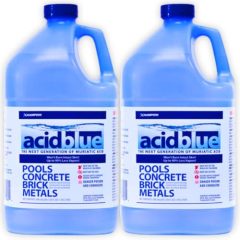 Acid Blue - Low Fume Muriatic Acid for Swimming Pools & Spas - Lower's pH, Reduces Alkalinity - 2 Gallon
View on Amazon →
Acid Blue - Low Fume Muriatic Acid for Swimming Pools & Spas - Lower's pH, Reduces Alkalinity - 2 Gallon
View on Amazon →
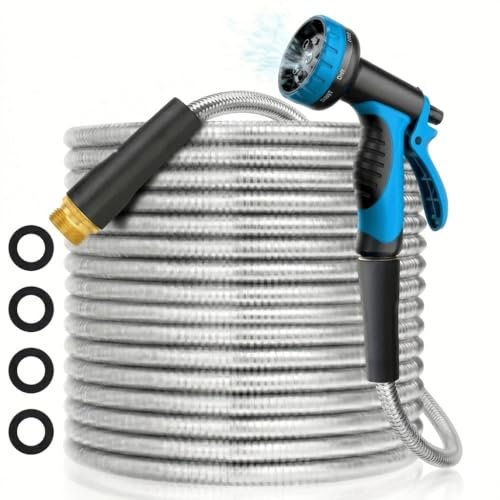 50 ft Flexible Metal Garden Hose (Kink-Free)
Durable hose for filling, priming, and rinsing equipment. View on Amazon →
50 ft Flexible Metal Garden Hose (Kink-Free)
Durable hose for filling, priming, and rinsing equipment. View on Amazon →
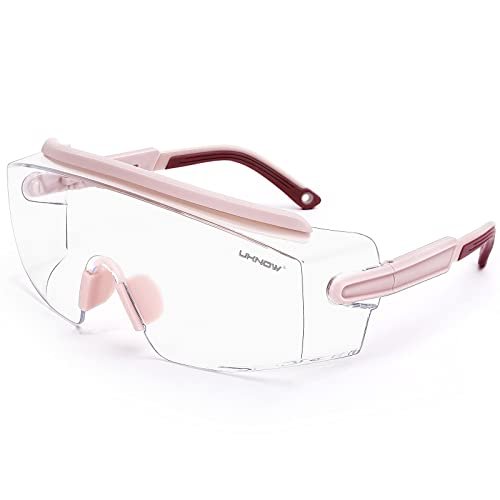 UKNOW Anti-Fog Chemical Splash Safety Goggles
Sealed splash goggles for handling muriatic acid and chlorine. View on Amazon →
UKNOW Anti-Fog Chemical Splash Safety Goggles
Sealed splash goggles for handling muriatic acid and chlorine. View on Amazon →
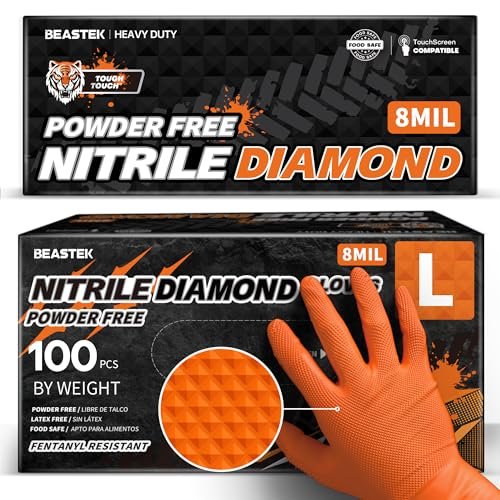 Beastek 8-mil Chemical-Resistant Nitrile Gloves
Disposable nitrile gloves for safe handling of pool chemicals. View on Amazon →
Beastek 8-mil Chemical-Resistant Nitrile Gloves
Disposable nitrile gloves for safe handling of pool chemicals. View on Amazon →
Still need help? Ask a Pool & Spa Expert AD
Get a personalized answer from PoolGuy810 — 30 years owning a pool and spa repair company. Describe your issue and get step-by-step help.
Related Pool Guides
Need More Help?
Try our free pool calculators and tools to help diagnose and fix your pool problems.
Browse Pool ToolsSLAM calculator, pH calculator, salt dosing & more