
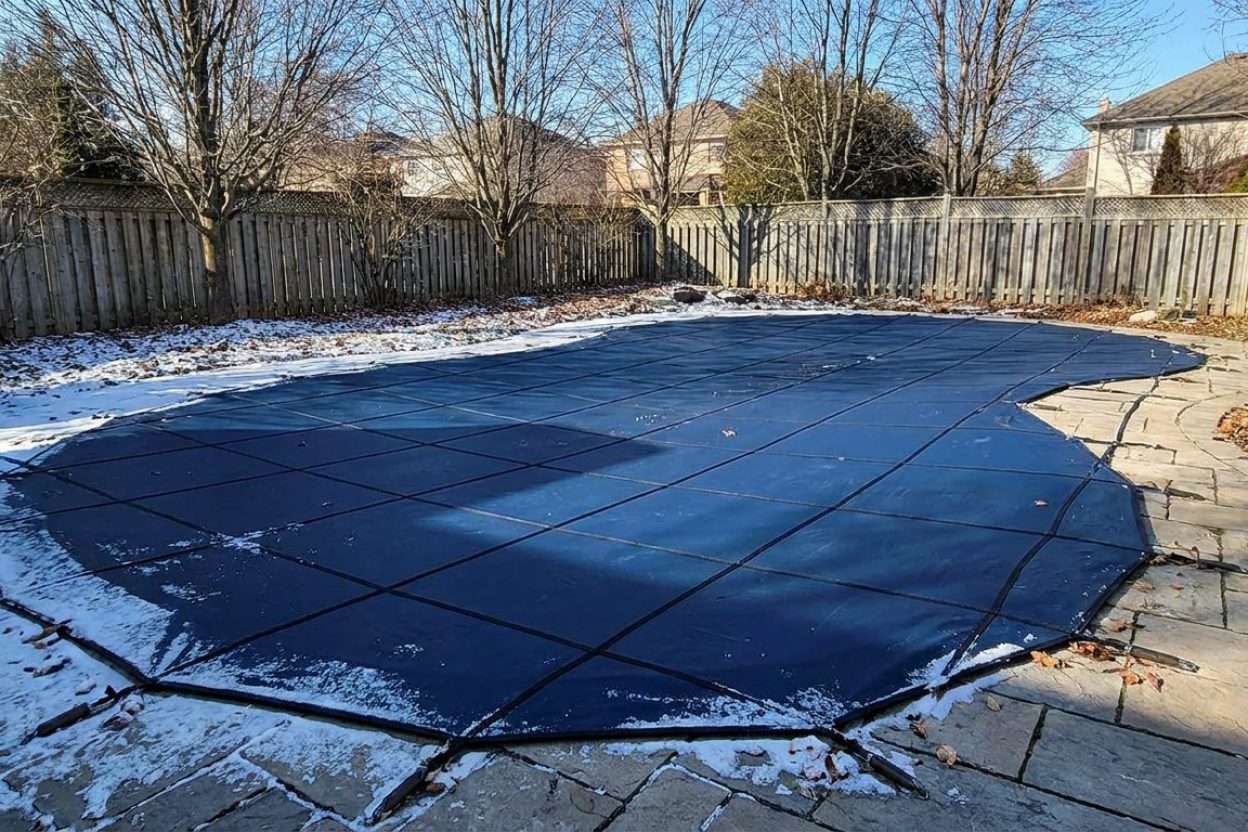
How Do Solar Pool Covers Work? Complete Guide & Benefits

What's the science behind solar pool covers actually working?
Read full question
Halfway through deciding on a solar pool cover, my neighbor insists they're just glorified tarps while the pool store swears they're miracle heaters. I mean, it's just plastic with bubbles, right? How does that translate to warmer water and less evaporation? What's the actual mechanism that makes these things effective?
Quick Answer
Solar pool covers work by letting sunlight pass through the clear plastic so the pool water absorbs it, while thousands of air-filled bubbles form an insulating barrier that traps that heat and dramatically cuts evaporation.
Step-by-Step: How Solar Pool Covers Function
- Solar Energy Capture: The cover's thousands of air-filled bubbles trap air for insulation while the clear material between bubbles allows sunlight to pass through to the pool surface. The bubbles help retain heat and provide some solar gain by creating an insulating layer over the water.
- Heat Transfer Process: Sunlight passes through the clear plastic and is absorbed directly by the pool water, heating it. The air-filled bubbles mainly act as insulation that traps that heat in the water, with the bubble side always facing down toward the water.
- Greenhouse Effect Creation: The cover creates a greenhouse effect by allowing solar radiation to enter but preventing the heated air from escaping back to the atmosphere. This trapped layer of warm air acts as an additional heating element.
- Evaporation Prevention: By covering the water surface, the solar cover eliminates up to 95% of evaporation, which is the primary source of heat loss in pools. Every gallon of evaporated water takes approximately 8,700 BTUs of heat energy with it.
- Wind Protection: The cover blocks wind from moving across the pool surface, preventing convective heat loss. Even light breezes can significantly increase heat loss from an uncovered pool.
- Nighttime Insulation: During evening hours, the cover acts as an insulating blanket, slowing the rate at which heat radiates from the pool water into the cooler night air.
The Science Behind Heat Retention
Solar covers work on multiple scientific principles simultaneously. The primary mechanism is reducing evaporative heat loss, which accounts for 70% of heat loss in outdoor pools. When water molecules evaporate, they carry significant thermal energy away from the pool. The cover creates a physical barrier that maintains humidity levels at the water surface, dramatically reducing this evaporation rate.
The secondary heating effect comes from solar gain. Modern solar covers are designed with specific materials that maximize light transmission while minimizing heat reflection. The trapped air in the bubbles provides insulation, slowing heat loss compared to a thin flat sheet.
Temperature and Energy Benefits
Heating Performance
Solar pool covers can raise water temperature by 10-15°F above ambient levels in optimal conditions. In sunny climates, pools can gain 5-10°F during a single day of coverage. The heating rate depends on several factors:
- Solar cover thickness (typically 8-16 mil)
- Bubble size and density
- Hours of direct sunlight exposure
- Ambient air temperature
- Wind conditions
- Pool depth and volume
Energy Savings Calculations
By preventing evaporation and providing solar heating, covers can reduce pool heating costs by 50-70%. For a typical 20x40 foot pool, this translates to savings of $300-800 annually depending on your heating method and local energy costs. Gas heater runtime can often be reduced by 40-60% when using a solar cover consistently.
Proper Installation for Maximum Effectiveness
- Bubble Side Positioning: Always place the bubble side down, touching the water surface. This maximizes heat transfer into the water and keeps the cover floating properly.
- Complete Coverage: Ensure 95-100% pool surface coverage for optimal results. Even small uncovered areas can significantly impact evaporation rates and heat retention.
- Proper Trimming: Cut the cover to fit your pool shape exactly, leaving minimal gaps around steps, ladders, or other pool features.
- Daily Deployment: Install the cover immediately after swimming and remove it just before pool use. Consistency is crucial for maintaining elevated temperatures.
Maintenance for Optimal Performance
Clean your solar cover monthly with mild soap and water to remove dirt, oils, and chemical residue that can reduce light transmission. Store the cover properly when not in use by rolling it onto a solar reel or folding it accordion-style to prevent creases that can damage the bubble structure.
Safety Warning: Never allow anyone to swim under a solar cover, as it can create an entrapment hazard. Always completely remove the cover before pool use and ensure proper storage away from the pool deck.
Replace solar covers every 3-5 years as UV exposure and chlorine will eventually degrade the material, reducing heating efficiency and increasing the risk of tears that compromise coverage.
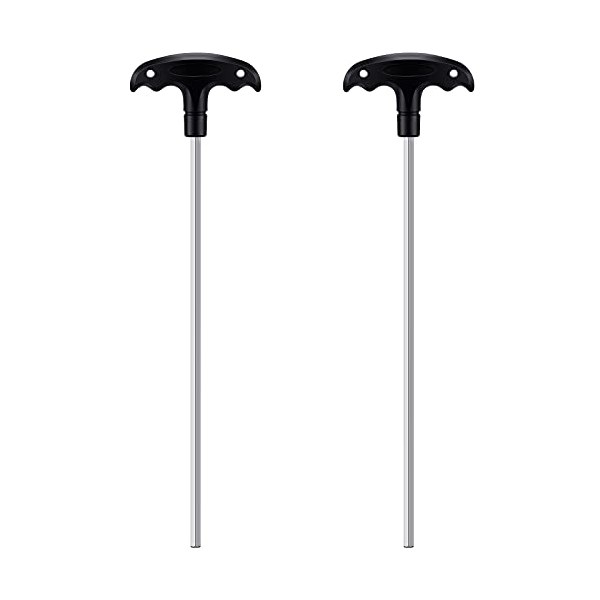 Pool Safety Cover Hex Key Tool (2-Pack)
Hex keys to install or remove a pool safety cover. View on Amazon →
Pool Safety Cover Hex Key Tool (2-Pack)
Hex keys to install or remove a pool safety cover. View on Amazon →
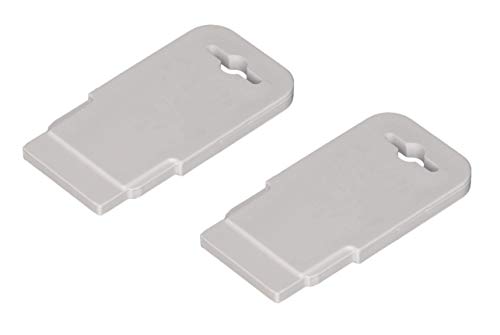 Pool Eyeball / Return Jet Fitting Removal Tool (ATIE)
Pops out & reseats Hayward SP1419 return-jet eyeballs — handy for closing. View on Amazon →
Pool Eyeball / Return Jet Fitting Removal Tool (ATIE)
Pops out & reseats Hayward SP1419 return-jet eyeballs — handy for closing. View on Amazon →
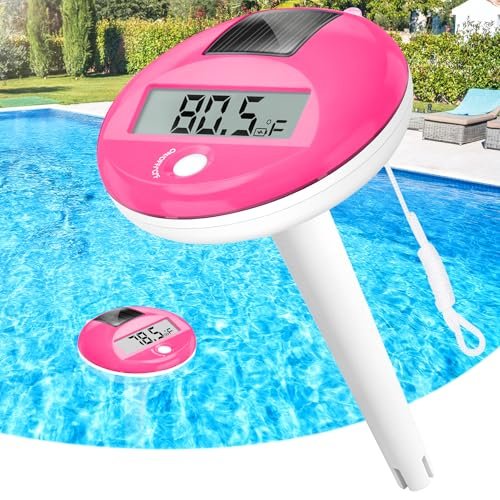 LuxBlue Floating Pool Thermometer, Solar, Large LCD
Easy-read floating thermometer for pool water temperature. View on Amazon →
LuxBlue Floating Pool Thermometer, Solar, Large LCD
Easy-read floating thermometer for pool water temperature. View on Amazon →
Still need help? Ask a Pool & Spa Expert AD
Get a personalized answer from PoolGuy810 — 30 years owning a pool and spa repair company. Describe your issue and get step-by-step help.
Related Pool Guides
Need More Help?
Try our free pool calculators and tools to help diagnose and fix your pool problems.
Browse Pool ToolsSLAM calculator, pH calculator, salt dosing & more