

Does Pool pH Naturally Go Up? Chemistry Facts & Solutions

Is it normal for my pool's pH to keep rising on its own?
Read full question
Just last week I balanced everything perfectly to 7.4, but when I tested again a few days later it was already climbing toward 7.8. Is this something that just happens naturally with pools? I'm worried about whether it's safe for the kids to swim when the pH keeps creeping up like this. Should I be adding something regularly to keep it down, and what's the best way to handle this without making the water unsafe?
Quick Answer
Yes, pool pH naturally tends to rise over time due to chlorine sanitization, aeration from equipment, and swimmer activity. Most pools require regular pH adjustment downward using muriatic acid to maintain the ideal 7.4-7.6 range. A drift up to 7.8 is still within the acceptable range and safe to swim in — including for kids — it just makes chlorine slightly less efficient, so it's worth correcting but isn't a hazard.
Quick Answer: Yes, Pool pH Naturally Rises
Wondering why your pool pH keeps creeping up no matter what you do? The answer is simpler than you think. This upward drift happens mainly because water aeration from pumps, returns, and features drives off dissolved carbon dioxide, with bather activity and (to a lesser extent) your sanitizer also playing a part. The vast majority of pool owners need to regularly add muriatic acid or sodium bisulfate to lower pH back to the ideal 7.4-7.6 range.
Why Pool pH Goes Up Naturally
Chlorine's Chemical Impact
Chlorine has a smaller effect on pH than most people assume. Liquid chlorine (sodium hypochlorite) is alkaline, so it nudges pH up the moment you add it — but as that chlorine is used up sanitizing, the reaction releases acid that largely cancels the initial bump. Over a full cycle, liquid chlorine is close to pH-neutral. The persistent upward drift you actually fight comes mostly from carbon dioxide leaving the water (see below), not from the chlorine itself.
Salt water chlorine generators (SWGSalt Water Generator — The "salt cell" that makes chlorine from the salt in a saltwater pool. Same chlorine — it just makes its own. pool terms →) do tend to push pH up, but not because electrolysis is net pH-positive — the cell produces hydrogen gas, and those bubbles aerate the water and drive off CO2, which is what raises pH. That constant agitation at the cell is why SWG pools often need pH adjusted more frequently than traditionally chlorinated pools.
Aeration Effects
Pool equipment naturally aerates water, which drives off dissolved carbon dioxide. When CO2 leaves the water, it reduces carbonic acid levels, causing pH to rise. This happens through:
- Return jets creating turbulence and bubbles
- Waterfalls, fountains, or spa spillovers
- Pool cleaners and circulation systems
- Wind action across the pool surface
Bather Load and Organic Matter
Swimmers contribute to pH rise through perspiration, cosmetics, and body oils. While these contaminants initially consume chlorine (which can temporarily lower pH), the overall oxidation process and chlorine replenishment typically results in net pH increase.
How to Control Rising pH
Regular Testing Schedule
Test pH levels 2-3 times per week using a reliable test kit. The Taylor K-2006C drop test kit provides accurate readings and is preferred over test strips for precision. Test in the morning before adding chemicals and after the pump has run overnight for proper water circulation.
Lowering pH with Muriatic Acid
Muriatic acid (hydrochloric acid) is the most effective pH reducer for most pools. Muriatic acid dosing depends on your current pH, total alkalinity, and acid concentration - consult our all-in-one pool calculator or a professional dosing chart for your specific situation, as requirements can vary significantly. Always add acid to the deep end with the pump running, never pour water onto acid.
Safety Warning: Wear protective eyewear and gloves when handling muriatic acid. Store in original container away from other pool chemicals.
Alternative: Sodium Bisulfate
Dry acid (sodium bisulfate) works more slowly but is easier to handle. Dosing varies based on current pH and total alkalinity levels - consult manufacturer instructions or a pool calculator for your specific water conditions. Pre-dissolve in a bucket of pool water before adding to avoid temporary cloudiness.
The Total Alkalinity Connection
Total Alkalinity (TATotal Alkalinity — The buffer that keeps your pH from bouncing around. Get this in range and pH gets a lot easier to manage. learn more →) acts as pH's buffer system. If your pH constantly spikes despite regular acid additions, your TA is likely too high. TFP suggests matching your TA target to how you chlorinate: keeping it on the lower side — roughly 50-90 ppm — for liquid-chlorine and saltwater pools helps slow the natural pH rise, while the traditional 80-120 ppm range is aimed at pools using acidic trichlor or dichlor tablets.
High TA makes pH rise faster and resist downward adjustment. Use muriatic acid to lower both pH and TA simultaneously, but expect this process to take several days with multiple small additions rather than one large dose.
When pH Doesn't Rise Naturally
Occasionally, pools experience falling pH instead of the typical upward trend. This usually indicates:
- Extremely low total alkalinity (under 60 ppm)
- Heavy organic contamination consuming large amounts of chlorine
- Recent acid rain or excessive organic debris
- Heavy use of acidic trichlor or dichlor chlorine tablets
In these cases, use sodium carbonate (soda ash) to raise pH or sodium bicarbonate to raise total alkalinity (it has only a small effect on pH).
Monitoring and Maintenance Schedule
Establish a routine testing schedule checking pH every 2-3 days during swimming season. Keep muriatic acid on hand as most pools require pH adjustment 1-2 times per week. Record your readings to identify patterns - pools with salt water generators, heavy bather loads, or extensive water features typically need more frequent pH correction.
Retest pH levels 4-6 hours after adding acid to ensure proper distribution and avoid over-correction. Maintain consistent free chlorine levels according to your CYACyanuric Acid (stabilizer) — Sunscreen for your chlorine — it keeps sunlight from burning it off. The catch: the more you have, the more chlorine you need to keep. learn more → level using the FC/CYAFC/CYA chart — The chart that sets your chlorine target from your stabilizer (CYA) level — the two go together. see the chart → relationship — our all-in-one pool calculator estimates the free chlorine target for your CYA. For the full breakdown of safe chlorine levels by CYA level, see our pool water chemistry guide.
 Taylor K-2006C Complete FAS-DPD Pool & Spa Test Kit
The FAS-DPD kit pool pros trust — reads chlorine accurately even at shock/SLAM levels, plus pH, alkalinity, calcium hardness and CYA. View on Amazon →
Taylor K-2006C Complete FAS-DPD Pool & Spa Test Kit
The FAS-DPD kit pool pros trust — reads chlorine accurately even at shock/SLAM levels, plus pH, alkalinity, calcium hardness and CYA. View on Amazon →
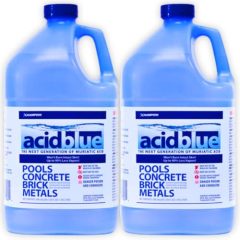 Acid Blue - Low Fume Muriatic Acid for Swimming Pools & Spas - Lower's pH, Reduces Alkalinity - 2 Gallon
View on Amazon →
Acid Blue - Low Fume Muriatic Acid for Swimming Pools & Spas - Lower's pH, Reduces Alkalinity - 2 Gallon
View on Amazon →
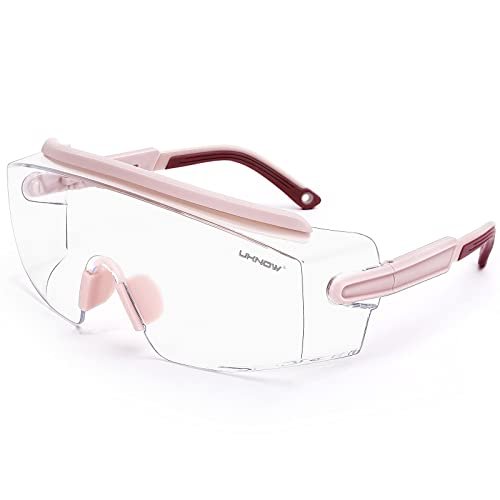 UKNOW Anti-Fog Chemical Splash Safety Goggles
Sealed splash goggles for handling muriatic acid and chlorine. View on Amazon →
UKNOW Anti-Fog Chemical Splash Safety Goggles
Sealed splash goggles for handling muriatic acid and chlorine. View on Amazon →
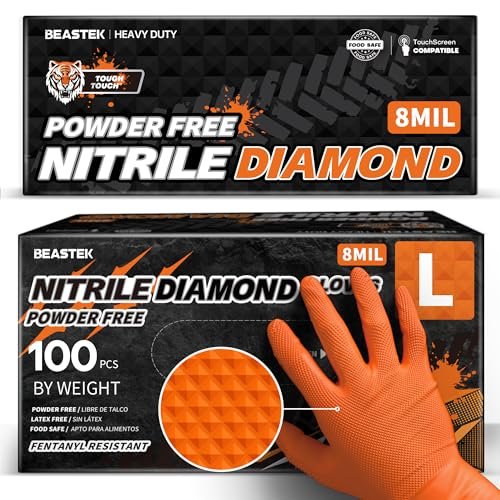 Beastek 8-mil Chemical-Resistant Nitrile Gloves
Disposable nitrile gloves for safe handling of pool chemicals. View on Amazon →
Beastek 8-mil Chemical-Resistant Nitrile Gloves
Disposable nitrile gloves for safe handling of pool chemicals. View on Amazon →
Still need help? Ask a Pool & Spa Expert AD
Get a personalized answer from PoolGuy810 — 30 years owning a pool and spa repair company. Describe your issue and get step-by-step help.
Related Pool Guides
Need More Help?
Try our free pool calculators and tools to help diagnose and fix your pool problems.
Browse Pool ToolsSLAM calculator, pH calculator, salt dosing & more