Do I Need a New Pool Pump? Signs & Replacement Guide
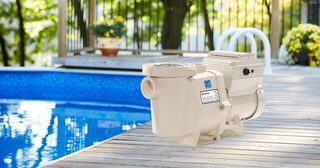
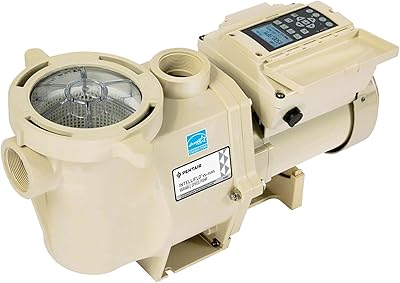
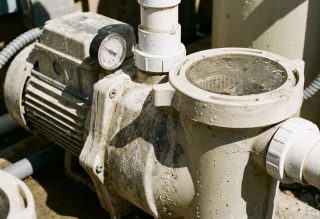
You need a new pool pump if it's over 8-10 years old, making loud grinding noises, leaking water from the motor housing, or if repair costs exceed 50% of replacement cost.
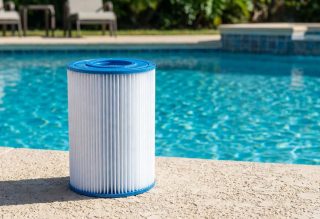
Pool filters come in three main types: sand filters (low maintenance, 5-7 year lifespan), cartridge filters (easy cleaning, 1-2 year replacement), and DE filters (finest filtration, requires backwashing every 4-6 weeks).
Pool filter lifespan depends on the type: cartridge filters last 1-2 years, sand filters last 5-7 years, and DE filters last 8-10 years. Replace when cleaning becomes ineffective or damage occurs.
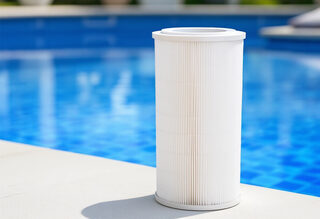
Pool cartridge filters typically last 1-4 weeks between cleanings and should be completely replaced every 3-6 months depending on usage, bather load, and maintenance frequency.
Pool DE filter grids typically last 1-3 years with proper maintenance, while DE powder needs replacement every 2-4 weeks. Signs of worn grids include shortened cleaning cycles and decreased water clarity.
Most inground pools don't need liners - concrete/gunite and fiberglass pools have built-in surfaces. Only vinyl inground pools require liners, which need replacement every 8-12 years.
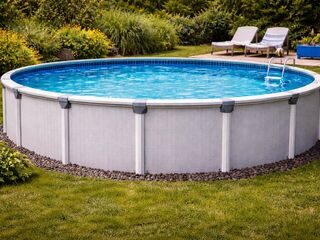
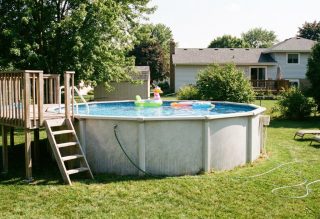
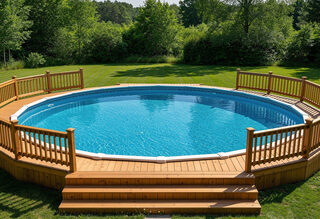
Pool liners typically last 6-12 years for above-ground pools, with vinyl liners averaging 8-10 years. Proper water chemistry, UV protection, and regular maintenance can significantly extend liner lifespan.
You need a new pool filter if it's damaged, cleaning doesn't restore flow, or it's reached its replacement schedule (1-2 years for cartridge, 5-7 years for DE grids, 10-15 years for sand). Check for tears, reduced flow, and cleaning frequency to determine replacement needs.
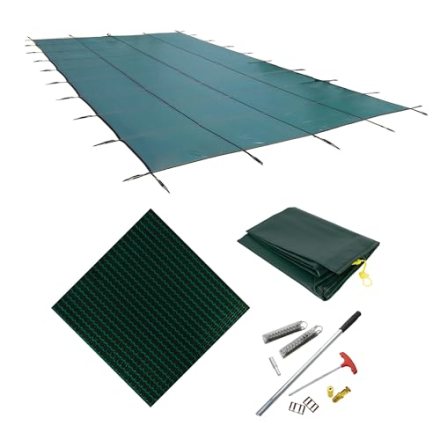
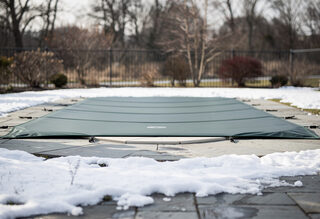
Yes, most pool covers can be repaired depending on the type of damage and cover material. Small tears, broken grommets, and worn straps are commonly repairable using patch kits, vinyl cement, or replacement hardware.
Yes, pool liners can be repaired using underwater patch kits for small holes and tears, or professional replacement for major damage. Most repairs can be done while the pool is full of water.
Pool cover pumps typically last 3-7 years with proper maintenance. High-quality pumps can last longer, while budget models may fail sooner due to weather exposure and frequent use.
Yes, most pool leaks can be fixed permanently. Minor leaks in vinyl liners, plaster surfaces, and equipment connections can often be repaired with underwater patches, sealants, or equipment replacement.
Pool stabilizer (cyanuric acid/CYA) does not evaporate from your pool water. Unlike chlorine, stabilizer remains in the water indefinitely and can only be removed through dilution, backwashing, or complete water replacement.
You can shock a pool with high CYA levels, but it requires significantly more chlorine due to reduced effectiveness. Use the FC/CYA chart to determine proper shock levels, or consider partial water replacement if CYA exceeds 100 ppm.
Above ground pool liners typically cost $100-$800 depending on size, thickness, and material quality. Installation adds $200-$500 if professionally done, or you can DIY to save money.