Can Pool Filter Sand Be Used in Aquarium? Safety Guide
Pool filter sand should not be used in aquariums as it contains sharp edges, chemical treatments, and lacks the proper grain size for fish safety. Use aquarium-specific sand instead.
Pool algaecides should not be used in ponds as they contain chemicals toxic to fish, plants, and beneficial bacteria. Use pond-specific treatments or natural methods instead.
Pool chlorine can clean concrete when properly diluted (1:10 ratio), but muriatic acid or specialized concrete cleaners are safer and more effective options for most concrete cleaning tasks.
While pool pH down and hydroponic pH down both lower pH, pool chemicals often contain additives that can harm plants. Use pH adjusters specifically designed for hydroponics to ensure plant safety and optimal nutrient uptake.
Yes, you can use pool filter sand in your garden after proper cleaning and testing. Pool filter sand improves soil drainage and aeration, but requires thorough rinsing to remove pool chemicals and chlorine residue first.
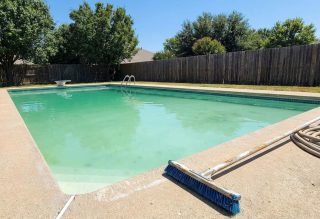
Kill pool algae using the SLAM method: shock your pool to the proper chlorine level based on your stabilizer, maintain that level until algae dies, and brush/vacuum debris.
Pool pH down can technically lower plant soil pH, but it's not recommended due to high chemical concentrations and lack of nutrients. Use garden-specific pH adjusters instead for plant safety.
Pool alkalinity typically rises due to fresh fill water with high alkalinity, adding pH increasers or certain sanitizers, excessive aeration from water features, and natural processes like algae growth.
Pool water can be used for garden irrigation, but chlorine levels must be below 0.1 ppm and salt levels under 1,000 ppm. Dechlorinate first and avoid watering sensitive plants directly.
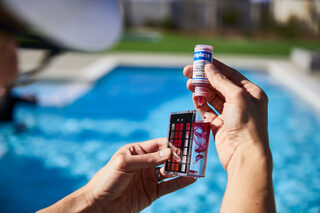
Your pool needs phosphate remover when levels exceed 500 ppb and you're experiencing persistent algae growth despite proper chlorine levels. Test phosphate levels with a reliable test kit to determine if removal is necessary.