
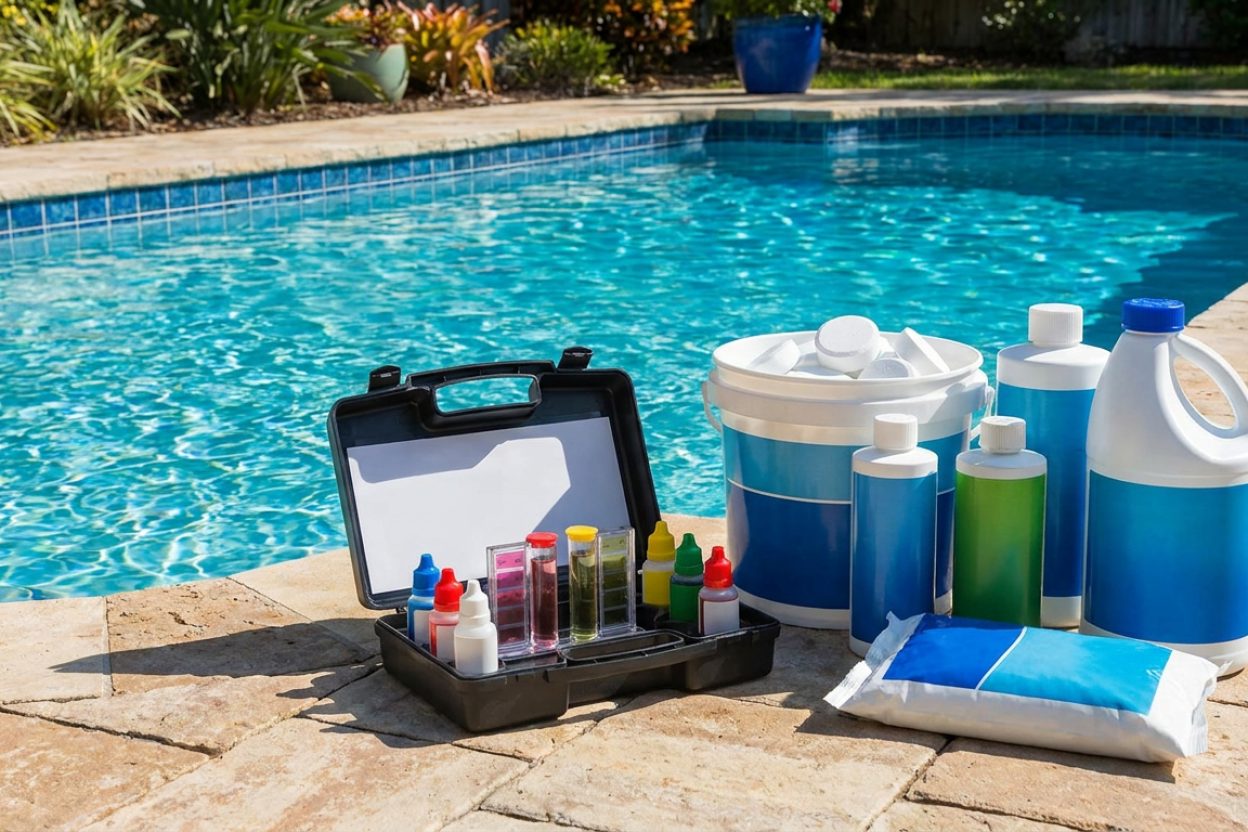
Can You Use Pool pH Down for Plants? Safety Guide

Pool pH Down for My Garden - Bad Idea or Genius Hack?
Read full question
Our pool guy insists we need expensive soil amendments for our alkaline garden, but why can't we just use the pH down from our pool supplies? They're looking pretty sad and I know lowering the pH would help. Got me thinking - could I just use some of this pool chemical to fix my soil instead of buying garden stuff? I mean, it's designed to lower pH, right?
Before I potentially kill my tomatoes, figured I should ask if anyone's tried this. Is pool pH down safe for plants or am I about to create a gardening disaster?
Quick Answer
Pool pH down can technically lower plant soil pH, but it's not recommended due to high chemical concentrations and lack of nutrients. Use garden-specific pH adjusters instead for plant safety.
First, Let's Diagnose What You're Dealing With
Before we explore whether pool pH down is suitable for plants, let's understand what you're trying to accomplish and what's actually in these products.
Understanding Pool pH Down Composition
Most pool pH down products contain one of these active ingredients:
- Sodium bisulfate (dry acid) - typically 85-93% concentration
- Muriatic acid (hydrochloric acid) - usually ~14.5% (diluted) to 31% concentration
- Sulfuric acid - less common, extremely concentrated
These concentrations are designed to quickly lower pH in thousands of gallons of pool water, not small garden areas where plants have delicate root systems.
What Plants Actually Need
When plants need lower soil pH, they benefit from:
- Gradual pH adjustment to avoid shock
- Organic matter that improves soil structure
- Trace nutrients released during pH adjustment
- Beneficial microorganisms that work with plant roots
Troubleshooting Your Plant pH Problems
Testing Your Current Soil pH
Before adding any pH adjuster, test your soil using a digital pH meter or soil test strips designed for gardens. Also check soil drainage, as poor drainage can cause chemical accumulation. Most plants prefer pH between 6.0-7.0, while acid-loving plants like blueberries and azaleas prefer 4.5-5.5.
Why Pool pH Down Falls Short
Concentration Issues: Pool pH down for a 20,000-gallon pool uses about 12-16 oz to drop pH by 0.2 units (amounts vary significantly based on starting pH and water alkalinity). That same chemical concentration in a small garden bed could create dangerous pH swings that shock or kill plants.
Missing Nutrients: Garden pH adjusters often include sulfur, organic acids, or other compounds that provide secondary benefits. Pool chemicals are purely functional without considering plant nutrition.
Salt Buildup: Sodium bisulfate adds sodium to soil, which can accumulate over time and create salt stress in plants, especially in containers or areas with poor drainage.
Safe Solutions for Lowering Plant Soil pH
Organic Methods
- Sulfur Application: Apply elemental sulfur at 1-2 pounds per 100 square feet. This works slowly over 2-3 months as soil bacteria convert it to sulfuric acid.
- Organic Compost: Well-composted pine needles, oak leaves, or coffee grounds gradually lower pH while improving soil structure.
- Sphagnum Peat Moss: Mix 2-3 inches into soil for gradual acidification plus moisture retention.
Commercial Garden pH Adjusters
- Aluminum Sulfate: Works faster than elemental sulfur, but it takes far more material to do the same job and repeated use can build up aluminum in the soil to levels that harm plants — use it sparingly rather than as your routine acidifier. Elemental sulfur is gentler for ongoing adjustment.
- Iron Sulfate: Lowers pH while adding iron for plants prone to iron deficiency chlorosis.
- Acidifying Fertilizers: Products like ammonium sulfate provide nutrients while gradually lowering soil pH.
Emergency Plant pH Adjustment
If you absolutely must use pool pH down in an emergency situation with extremely alkaline soil:
- Dilute Heavily: Mix 1 teaspoon of sodium bisulfate in 5 gallons of water for approximately 25-50 square feet of coverage
- Test Small Area First: Apply to a 1-foot square section and wait 48 hours
- Water Thoroughly: Flush the area with plain water after 2-3 hours to prevent salt buildup
- Monitor Plant Response: Watch for leaf burn, wilting, or other stress signs
- Retest Soil: Check pH after one week before making additional adjustments
Safety Warnings
Never apply dry pool pH down directly to soil around plants. The concentrated sodium bisulfate can cause chemical burns to roots and leaves.
Avoid using muriatic acid from pools near plants. Even diluted, hydrochloric acid can damage plant tissues and beneficial soil microorganisms.
Always wear gloves and eye protection when handling any pH adjustment chemicals, whether for pools or gardens.
Long-term Soil Health Considerations
Repeated use of pool chemicals in garden soil can:
- Disrupt beneficial mycorrhizal fungi relationships
- Create sodium accumulation leading to poor soil structure
- Eliminate earthworms and other beneficial soil organisms
- Require increasingly frequent applications as organic matter decreases
Garden-specific products work with natural soil processes rather than against them, creating sustainable pH management that improves over time.
Better Investment Strategy
Rather than repurposing pool chemicals, invest in proper garden pH management products. A 4-pound bag of elemental sulfur costs about the same as pool pH down but provides gentler, longer-lasting results that actually improve soil health rather than just changing chemistry numbers.
 Taylor K-2006C Complete FAS-DPD Pool & Spa Test Kit
The FAS-DPD kit pool pros trust — reads chlorine accurately even at shock/SLAM levels, plus pH, alkalinity, calcium hardness and CYA. View on Amazon →
Taylor K-2006C Complete FAS-DPD Pool & Spa Test Kit
The FAS-DPD kit pool pros trust — reads chlorine accurately even at shock/SLAM levels, plus pH, alkalinity, calcium hardness and CYA. View on Amazon →
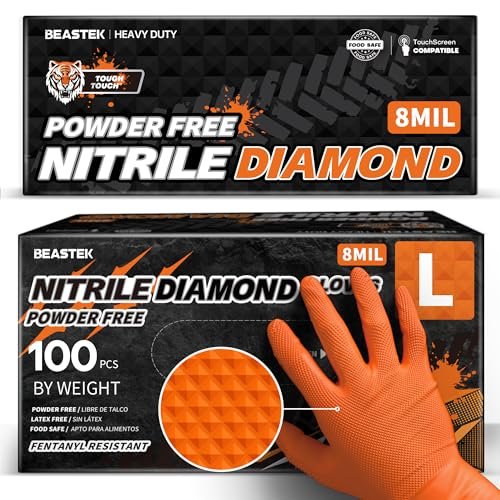 Beastek 8-mil Chemical-Resistant Nitrile Gloves
Disposable nitrile gloves for safe handling of pool chemicals. View on Amazon →
Beastek 8-mil Chemical-Resistant Nitrile Gloves
Disposable nitrile gloves for safe handling of pool chemicals. View on Amazon →
Still need help? Ask a Pool & Spa Expert AD
Get a personalized answer from PoolGuy810 — 30 years owning a pool and spa repair company. Describe your issue and get step-by-step help.
Related Pool Guides
Need More Help?
Try our free pool calculators and tools to help diagnose and fix your pool problems.
Browse Pool ToolsSLAM calculator, pH calculator, salt dosing & more