

Can You Use Pool pH Down for Hydroponics? Safe Alternatives

Is pool pH down safe to use in my hydroponic garden?
Read full question
Apparently my neighbor's hydroponic tomatoes are thriving using basic pool pH down while mine struggle with the expensive hydroponic-specific version.
I want to make sure I'm not putting anything harmful into our food system. Are there differences between pool pH down and hydroponic pH adjusters that I should be aware of? I'd rather spend a little extra if it means keeping our homegrown produce safe for the kids to eat.
Quick Answer
Pool pH down (dry acid) is mostly sodium bisulfate - the same active ingredient in some hydroponic pH-down products, so it works in a pinch. It's just not ideal long-term: it adds sodium that can build up in a recirculating system, and unlike phosphoric-acid hydroponic products it adds no nutrients or buffering. Switch to a hydroponic pH down when you can.
Step-by-Step Analysis of Pool pH Down vs. Hydroponic pH Down
- Check the active ingredient - Pool pH down typically contains sodium bisulfate, muriatic acid (hydrochloric acid), or sulfuric acid. Note that muriatic acid requires special handling, protective equipment, and adequate ventilation due to its corrosive nature, while hydroponic pH down usually contains phosphoric acid or citric acid. Phosphoric acid actually provides phosphorus, a beneficial nutrient for plants.
- Examine the purity levels - The issue isn't purity - pool-grade sodium bisulfate is clean enough to be FDA GRAS/food-grade in other uses. It's that sodium bisulfate adds sodium and no beneficial nutrient, whereas hydroponic phosphoric-acid products supply usable phosphorus and buffer the solution.
- Look for additional additives - Pool pH down (dry acid) is about 90-93% sodium bisulfate, with the rest sodium sulfate - it's a sodium salt, not a cocktail of additives. The real concern is that the sodium accumulates in a recirculating system and can build up to levels that stress or 'burn' plant roots if you don't flush regularly.
- Consider the buffering capacity - Pool pH adjusters are designed to work with pool water chemistry, including high alkalinity levels from pool sanitizers. Hydroponic pH adjusters are formulated to work optimally with nutrient solutions.
- Evaluate long-term effects - Pool chemicals may cause nutrient lockout or root damage over extended use, even if initial applications seem harmless.
Why Chemical Purity Matters in Hydroponics
In pool maintenance, we're primarily concerned with sanitization and basic water balance. A pool can tolerate impurities and additives that would be harmful to plant roots. Hydroponic systems require much higher chemical purity because:
- Plant roots are in direct contact with the solution
- Plants absorb nutrients at the molecular level
- Contamination can cause immediate plant stress or death
- Hydroponic systems recirculate water, concentrating any impurities over time
Safe pH Adjustment Options for Hydroponics
- Purchase hydroponic-specific pH down - Products like General Hydroponics pH Down or similar brands are formulated specifically for plant growing systems. These typically cost $10-20 and will last for many adjustments.
- Use food-grade phosphoric acid - This is often the same active ingredient in hydroponic pH down but in pure form. Dilute according to manufacturer instructions, typically starting with 1ml per gallon and adjusting as needed.
- Consider organic alternatives - Citric acid (food grade) can lower pH naturally and is completely plant-safe. White vinegar can work for temporary adjustments but may affect taste in edible crops.
- Test before full application - Always test pH adjusters on a small sample of your nutrient solution first, then scale up to your full reservoir.
Proper pH Management for Hydroponic Systems
Unlike pool water where we target pH 7.2-7.6 (optimally 7.4), hydroponic systems typically require pH between 5.5-6.5 for optimal nutrient uptake. Here's how to manage it safely:
- Test pH daily - Use a quality digital pH meter or pH test strips designed for the 5.0-7.0 range rather than pool test kits which focus on higher pH ranges.
- Make gradual adjustments - Lower pH slowly over several hours rather than making dramatic changes that can shock plant roots.
- Monitor nutrient levels - pH adjustments can affect nutrient availability, so recheck your EC/TDS levels after pH adjustment.
- Keep adjustment logs - Track how much pH adjuster you're using to identify patterns and prevent overuse.
Cost Comparison and Long-Term Considerations
While pool pH down might seem like a cost-effective alternative, the potential for crop loss or reduced yields makes hydroponic-specific products worth the investment. A $15 bottle of hydroponic pH down will typically last 3-6 months for a home system, while crop losses from using inappropriate chemicals could cost much more.
Emergency Alternatives
If you absolutely cannot obtain hydroponic pH down immediately, food-grade citric acid from brewing supply stores is your safest alternative. Mix 1 teaspoon per gallon of water to create a stock solution for pH adjustment, then add this solution drop by drop until you reach your target pH. Pool dry acid (sodium bisulfate) is the same active ingredient found in some hydroponic pH-down products, so it will work in a pinch - which is likely why your neighbor's tomatoes are doing fine. It's just not ideal long-term because of sodium buildup and lack of buffering, so switch to a phosphoric-acid product when you can.
Testing and Monitoring
Whether using pool or hydroponic pH adjusters, proper testing is crucial. Digital pH meters designed for hydroponic use typically provide more accurate readings in the 5.5-6.5 range than pool test kits. Calibrate your meter weekly and always test both your nutrient solution and any pH adjuster before mixing.
 Taylor K-2006C Complete FAS-DPD Pool & Spa Test Kit
The FAS-DPD kit pool pros trust — reads chlorine accurately even at shock/SLAM levels, plus pH, alkalinity, calcium hardness and CYA. View on Amazon →
Taylor K-2006C Complete FAS-DPD Pool & Spa Test Kit
The FAS-DPD kit pool pros trust — reads chlorine accurately even at shock/SLAM levels, plus pH, alkalinity, calcium hardness and CYA. View on Amazon →
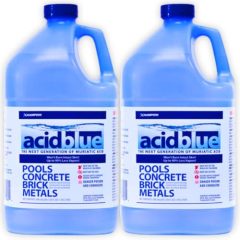 Acid Blue - Low Fume Muriatic Acid for Swimming Pools & Spas - Lower's pH, Reduces Alkalinity - 2 Gallon
View on Amazon →
Acid Blue - Low Fume Muriatic Acid for Swimming Pools & Spas - Lower's pH, Reduces Alkalinity - 2 Gallon
View on Amazon →
Still need help? Ask a Pool & Spa Expert AD
Get a personalized answer from PoolGuy810 — 30 years owning a pool and spa repair company. Describe your issue and get step-by-step help.
Related Pool Guides
Need More Help?
Try our free pool calculators and tools to help diagnose and fix your pool problems.
Browse Pool ToolsSLAM calculator, pH calculator, salt dosing & more