Do I Need to Wash Pool Filter Sand? Complete Guide
Yes, you absolutely need to wash pool filter sand before installation. New sand contains dust, debris, and fine particles that will cloud your pool water if not properly cleaned first.
Pool filter sand should not be used in aquariums as it contains sharp edges, chemical treatments, and lacks the proper grain size for fish safety. Use aquarium-specific sand instead.
No, fiberglass pools do not need liners because the fiberglass shell itself serves as the water barrier. The gelcoat surface provides the waterproof finish that liners provide in vinyl pools.
Most inground pools don't need liners - concrete/gunite and fiberglass pools have built-in surfaces. Only vinyl inground pools require liners, which need replacement every 8-12 years.
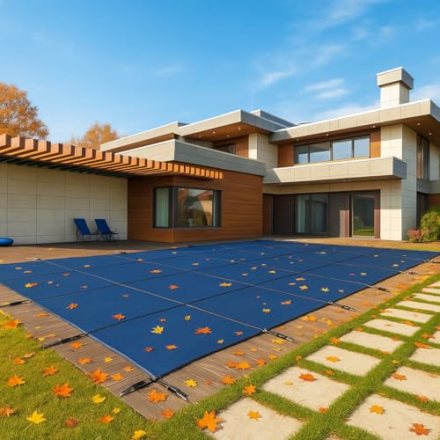
Most pool covers cannot be recycled through standard municipal programs due to mixed materials, but specialized recycling centers may accept them. Proper disposal varies by cover type and condition.
Pool cover pumps typically last 3-7 years with proper maintenance. High-quality pumps can last longer, while budget models may fail sooner due to weather exposure and frequent use.
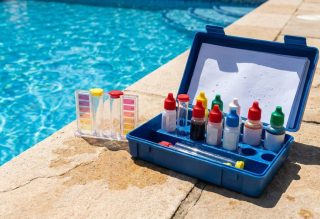
Most pool chemicals have different expiration dates: liquid chlorine lasts 1-2 months, granular chlorine 1-3 years, pH adjusters 2-3 years, and alkalinity increasers indefinitely when stored properly.
Pool chlorine is primarily made through electrolysis of salt water to create sodium hypochlorite (liquid chlorine) or by combining chlorine gas with lime to make calcium hypochlorite (powder/tablets).
Yes, you must rinse pool filter sand both before installation to remove dust and debris, and after installation through backwashing. Proper rinsing prevents cloudy water and ensures optimal filtration performance.
Pool chlorine tablets do expire and typically last 2-3 years when stored properly in a cool, dry place. Expired tablets lose potency and may become dangerous to handle.