
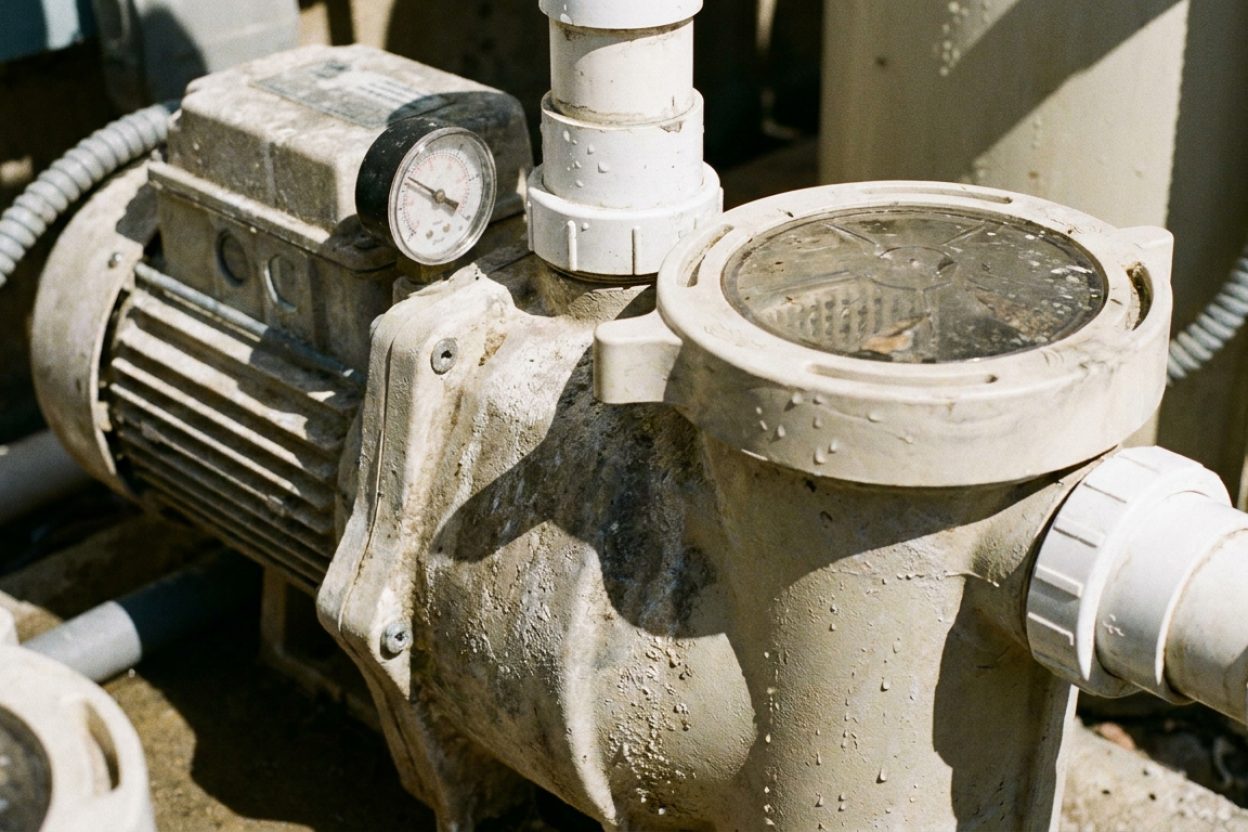
How Long Do Pool Cover Pumps Last? Lifespan & Replacement

How long should I expect my pool cover pump to last?
Read full question
This morning I discovered my pool cover pump completely dead after last week's torrential downpour, and now I'm questioning whether four years is actually normal lifespan. I'm looking at replacements and there's such a huge price range - from like $50 cheap ones to $300+ fancy models.
Before I drop the cash, what's a realistic lifespan I should expect? Is it worth spending more upfront, or do they all basically crap out after a few seasons anyway? Mine gets pretty beat up sitting outside through our harsh winters, so I'm not sure if that's just the nature of the beast or if I should be getting more years out of these things.
Quick Answer
Pool cover pumps typically last 2-10 years depending on quality and maintenance — budget models may last only 2-3 years, while premium models can reach 8-10 years.
Step-by-Step Guide to Understanding Cover Pump Lifespan
- Assess Your Current Pump's Age and Condition
Check your purchase records or warranty information to determine your pump's age. Most pumps have manufacturing dates stamped on the housing. If your pump is approaching the 4-year mark, start monitoring its performance more closely for signs of decline. - Evaluate Usage Patterns That Affect Lifespan
Calculate how often your pump operates during cover season. Pumps that run frequently due to heavy rainfall, snow melt, or groundwater intrusion will have shorter lifespans. A pump that cycles on/off 10-15 times per day will wear out faster than one that runs occasionally after storms. - Inspect Key Components for Wear Indicators
Examine the power cord for cracks or fraying, check the float switch for proper movement, and listen for unusual motor sounds. The impeller housing should be free of cracks, and the discharge fitting should be secure. These components typically show wear before complete pump failure. - Monitor Performance Decline Over Time
Track how long it takes your pump to remove standing water compared to when it was new. A pump that previously cleared 2 inches of water in 30 minutes but now takes an hour is showing signs of impeller wear or motor weakness. - Consider Environmental Factors Affecting Longevity
Pumps exposed to harsh freeze-thaw cycles, direct sunlight, or corrosive pool chemicals will deteriorate faster. Submersible pumps left underwater for extended periods face additional stress from constant moisture exposure and potential debris damage. - Plan Replacement Timing Strategically
Replace pumps during off-season months when prices are lower and availability is better. Don't wait for complete failure during a critical storm period. Order a replacement when your current pump reaches 4-5 years old or shows performance decline. - Calculate Cost-Effectiveness of Repair vs. Replacement
If repair costs exceed 60% of a new pump's price, replacement is more economical. Common repairs like float switch replacement ($15-25) or new power cord ($20-35) are worthwhile on newer pumps, but motor replacement typically costs more than a new pump.
Factors That Extend Pool Cover Pump Life
Quality and Construction
Premium pumps with durable motor construction and reinforced housings last significantly longer than basic plastic construction models. Brands like Little Giant, Wayne, and Superior Pump offer 8-10 year average lifespans compared to 2-3 years for budget alternatives. The initial investment pays off through reduced replacement frequency.
Proper Sizing and Application
Using the correct GPH (gallons per hour) rating prevents overwork. A 1/6 HP pump handles most residential covers, while larger or commercial installations need 1/4 HP or higher. Undersized pumps run constantly and fail prematurely, while oversized pumps cycle too frequently.
Maintenance Practices
Regular cleaning of debris screens, proper winter storage, and annual inspection of electrical connections can double pump lifespan. Store pumps indoors when not in use, and never leave a non-running pump sitting in water that can freeze, which can crack internal seals and components.
Warning Signs Your Pump Needs Replacement
- Motor Cycling Issues: Pump turns on but immediately shuts off, indicating electrical problems or seized impeller
- Reduced Flow Rate: Takes significantly longer to remove water due to worn impeller or clogged passages
- Electrical Problems: GFCI trips repeatedly, sparking, or burning smell from motor housing
- Physical Damage: Cracked housing, damaged float switch, or corroded electrical connections
- Loud Operation: Grinding, rattling, or excessive vibration indicating bearing failure
Maximizing Your Investment
To get the most from your cover pump investment, choose quality over price, perform regular maintenance, and replace proactively rather than reactively. An around $120 quality pump that lasts 8-10 years provides better value than a $75 pump replaced every 2 years. Keep spare parts like float switches and power cords on hand for quick repairs during the season.
Safety Warning: Always disconnect power before inspecting or servicing cover pumps. Use GFCI-protected outlets and never operate pumps with damaged cords or electrical components that could create shock hazards.
Still need help? Ask a Pool & Spa Expert AD
Get a personalized answer from PoolGuy810 — 30 years owning a pool and spa repair company. Describe your issue and get step-by-step help.
Related Pool Guides
Need More Help?
Try our free pool calculators and tools to help diagnose and fix your pool problems.
Browse Pool ToolsSLAM calculator, pH calculator, salt dosing & more