Can Fiberglass Pools Leak? Yes - Here's How to Fix It
Yes, fiberglass pools can leak through gel coat cracks, plumbing connections, or structural damage. Most leaks are repairable with proper patching compounds and techniques.
No, fiberglass pools do not need liners because the fiberglass shell itself serves as the water barrier. The gelcoat surface provides the waterproof finish that liners provide in vinyl pools.
Cloudy pool water results from poor filtration, chemical imbalance, or contaminants. Fix by testing chemistry, shocking to proper FC/CYA ratio, and running filtration 24/7 until clear.
Most pools can safely remain empty for 1-2 weeks, but inground concrete pools face structural risks after this period due to hydrostatic pressure. Above ground pools can stay empty longer but may suffer liner damage.
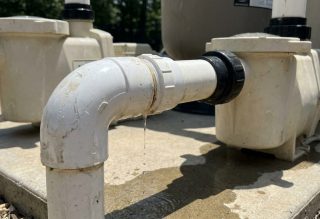
Pool leaks are identified by water loss exceeding 1/4 inch per day, wet spots around the pool, and failing the bucket test. Look for equipment leaks, structural damage, and perform dye tests to confirm leak locations.
Yes, a pool can leak through a hydrostatic valve when the valve becomes stuck open, damaged, or improperly sealed. This typically occurs when groundwater pressure drops or the valve mechanism fails, allowing pool water to escape into the ground.
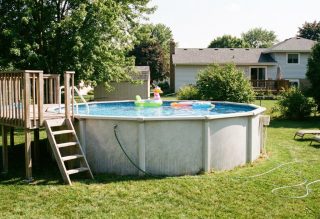
Yes, you can drain above ground pools, but it requires careful planning and proper equipment. Use a submersible pump or siphon method, and never drain during high winds or when the liner is brittle from cold weather.
Above ground pool liners typically last 5-9 years, with overlap liners lasting 5-7 years and beaded liners lasting 6-9 years. Proper water chemistry, UV protection, and regular maintenance can significantly extend liner life.
You can keep a pool closed indefinitely with proper winterization and maintenance. Seasonal closures (3-6 months) require standard winterization, while extended closures (6+ months) need additional precautions and periodic monitoring.
You can leave an above ground pool empty temporarily, but extended emptying risks structural damage from ground pressure and UV exposure. Proper winterization or partial draining is usually safer than complete emptying.
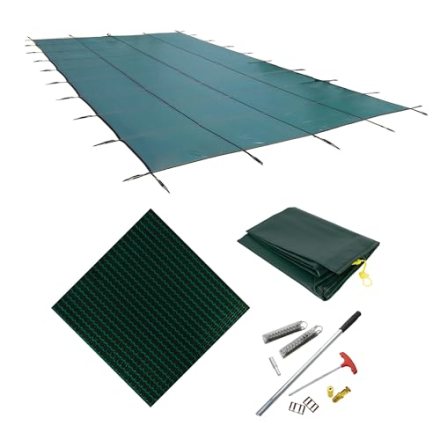
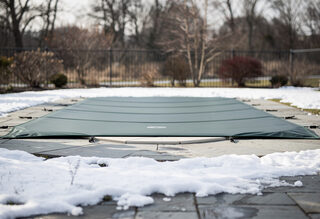
Winterizing an inground pool involves balancing water chemistry, cleaning thoroughly, lowering water levels, adding winter chemicals, and protecting equipment from freezing temperatures.