Do I Need a New Pool Pump? Signs & Replacement Guide
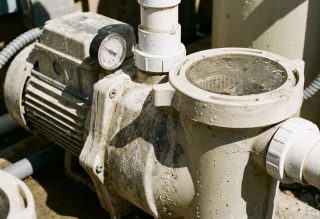
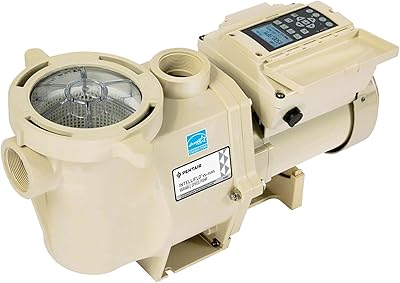
You need a new pool pump if it's over 8-10 years old, making loud grinding noises, leaking water from the motor housing, or if repair costs exceed 50% of replacement cost.
Yes, the type of pool filter sand you use matters significantly for filtration effectiveness and maintenance frequency. Silica sand is standard, while zeolite and glass sand offer superior filtration but cost more.
Yes, you can leave your pool filter running continuously, and it's actually beneficial for water clarity and chemical distribution. However, running it 8-12 hours daily is usually sufficient for most pools while saving energy costs.
Variable speed pool pumps can save 50-90% on energy costs compared to single speed pumps and are required by law in many areas. They're worth the investment for most pool owners despite higher upfront costs.
Most salt water pool cells can be rebuilt by replacing the titanium plates and internal hardware, typically costing 50-70% less than a new cell. However, rebuilding is only worthwhile if the cell housing is intact and you have technical skills.
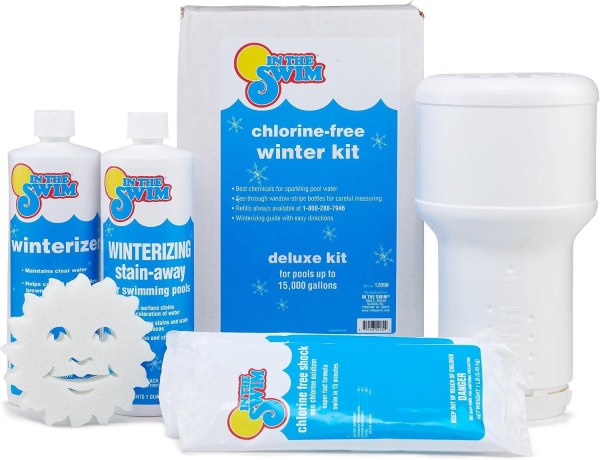
Yes, you absolutely need to clean your pool before closing it for winter. Proper cleaning prevents algae growth, equipment damage, and costly spring reopening issues.
Pool liners can sometimes be reused if they're in good condition, less than 5 years old, and removed carefully without tears or significant stretching. However, reusing liners carries risks and often isn't cost-effective.
Yes, you likely need a variable speed pump - they're federally mandated for most residential pools as of July 2021 and can reduce energy costs by 50-90% while providing better filtration and equipment longevity.
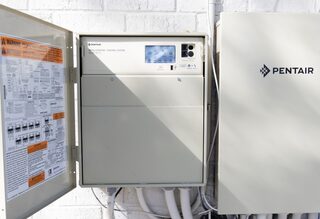
Programming a variable speed pool pump involves setting different RPM speeds for specific time periods throughout the day to optimize filtration while minimizing energy costs. Most pumps use a digital interface with programmable schedules.
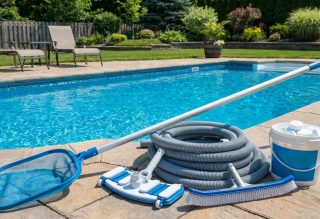
Yes, you can clean above ground pools with unscented liquid household bleach (5.25-6% sodium hypochlorite), but liquid pool chlorine is more cost-effective and easier to dose.
Yes, pool filter sand is an excellent choice for most pools, providing effective filtration for particles down to 20-40 microns. It's cost-effective, long-lasting, and works well in sand filter systems with proper installation and maintenance.
Yes, Costco does carry pool vacuums both in-store and online, primarily during pool season (March-August). They typically stock robotic cleaners from brands like Dolphin and Polaris, plus manual vacuum heads and hoses.
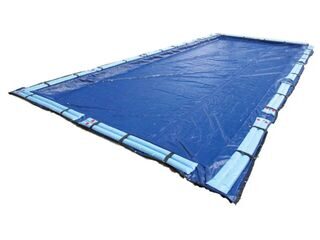
Pool covers are highly recommended for most pool owners as they reduce chemical usage by 60%, cut heating costs by 70%, and prevent debris accumulation. Winter covers are essential for cold climates, while solar covers benefit year-round pool users.
Pool blankets are beneficial for most pools, reducing chemical usage by 35-60%, heating costs by 50-70%, and water evaporation by 95%. The decision depends on your climate, pool usage, and budget priorities.
Pool covers are essential for winter protection in freezing climates and highly beneficial year-round for reducing chemical usage, heating costs, and debris cleanup. The necessity depends on your climate, pool type, and maintenance goals.