
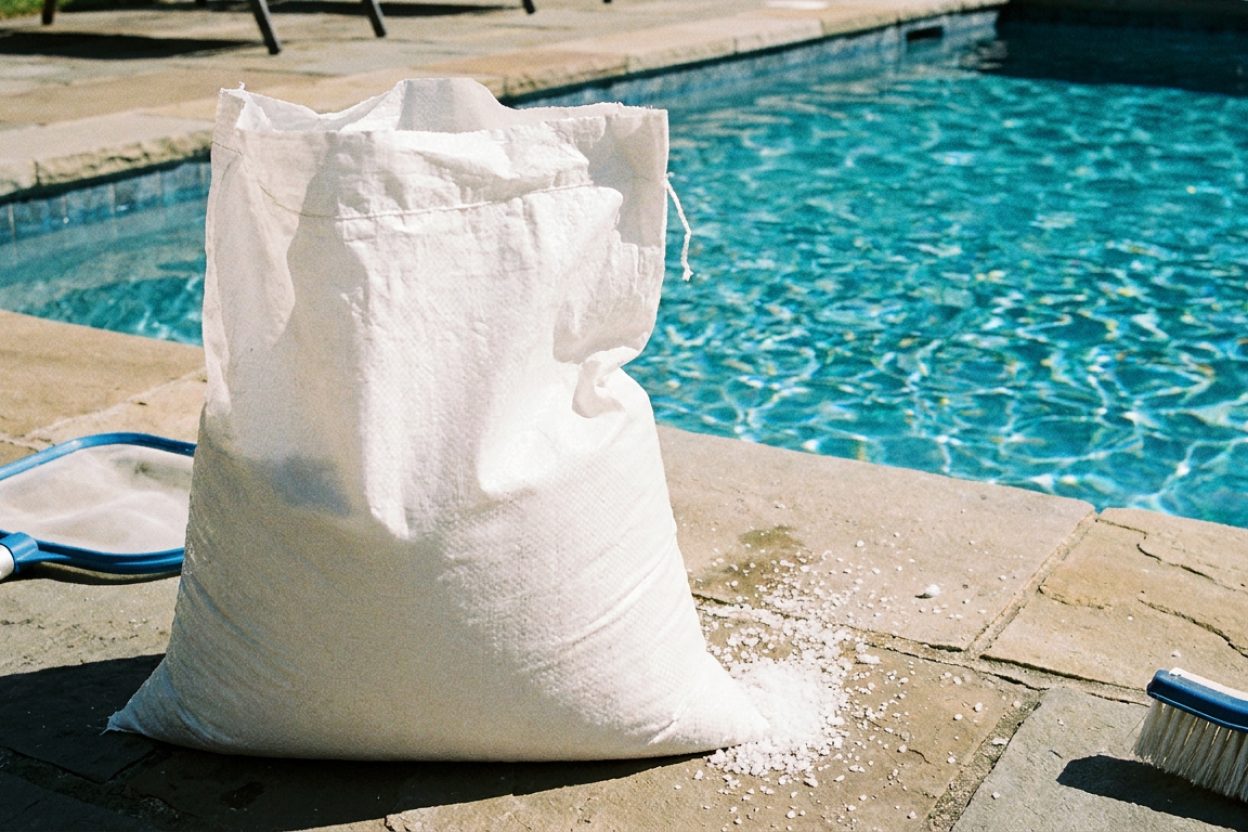
Where to Drain a Saltwater Pool Safely

Killed a tree draining my saltwater pool — where should the water go?
Read full question
Found out the hard way that you can't just dump saltwater pool water wherever you want. Moved into this place a couple months ago and the previous owners left a saltwater pool I'm still figuring out. The water level was way too high after some heavy rain, so I pumped a bunch out into the backyard near one of the trees. About a week later the grass in that spot turned brown and the tree is looking very dead. Now I still need to lower the water level but I'm terrified to touch anything.
Where are you actually supposed to put saltwater pool water when you need to drain some out? Is the sewer cleanout pipe okay to use? Can you run it to the street gutter? I've heard you can spread it on grass but obviously my grass is dead where I tried that. How damaging is pool salt to trees and plants compared to, say, the chlorine? I want to fix this without killing anything else.
Quick Answer
The safest place to drain saltwater pool water is into your home's sanitary sewer system — a floor drain, utility sink, or indoor cleanout — never a storm drain or directly onto landscaping near trees. Salt damages plant roots by drawing moisture out and disrupting nutrient uptake, which is why that tree didn't survive. Before draining anything, you'll also want to dechlorinate the water first.
Why That Tree Didn't Stand a Chance
What happened to your tree is unfortunately a very common and irreversible mistake new saltwater pool owners make. Salt damages plants through a process called osmotic stress — essentially, high sodium concentrations in the soil draw moisture out of root cells instead of allowing them to absorb it. The plant dehydrates from the roots up even when surrounded by water. On top of that, sodium ions displace essential nutrients like calcium, magnesium, and potassium in the soil, so even if the tree survived the initial shock, it would have struggled to feed itself. A large, sudden discharge of pool water — which typically runs between 2,700 and 3,400 ppm of salt — though the target range varies by salt cell manufacturer, so check your system's documentation — is enough to cause exactly what you described: dead grass patch, dead tree. The chlorine in the water adds additional stress on top of the salt.
The good news is that once you know where to direct the water, the process isn't complicated. The equipment you need is simple. The rules are consistent across most municipalities. Let's go through it.
The Right Destination: Your Sanitary Sewer, Not the Yard or Street
Your municipal sanitary sewer system is the correct endpoint for saltwater pool drainage. This is the indoor plumbing network — the same one your toilets, sinks, and washing machine drain into — which routes to a wastewater treatment facility designed to handle and neutralize chemicals like chlorine and dilute dissolved salts. It is not the storm drain at the curb, which routes directly to local creeks, wetlands, and waterways without treatment.
- Floor drain in the basement or garage: Ideal if you have one — connect your pump's discharge hose and let it flow.
- Utility/laundry sink: Another clean option; the hose goes into the basin and the water exits through your home's sewer connection.
- Indoor sewer cleanout: An accessible option many plumbers use; works well but make sure the hose fits snugly and won't back up.
- Bathtub or toilet: Last resort for small volumes, but workable in a pinch.
Do not use: street gutters, yard drains, roadside catch basins, ditches, or any outdoor drain inlet. These are almost universally connected to storm systems, not the sanitary sewer. Dumping chlorinated or salty pool water into those is an illicit discharge under regulations like Orange County's MS4 rules and Fairfax County's Stormwater Management Ordinance — meaning it can carry real fines, and it genuinely does harm local aquatic ecosystems.
The Equipment You'll Need to Do This Right
Submersible Pump
A portable submersible pump is the standard tool for this job. Use a pump with a manageable, controlled flow rate rather than the highest-capacity model available — a slow, steady drain is less likely to back up your home's plumbing. Check with a plumber if you're unsure what your floor drain or utility sink can handle. Portable submersible pumps suitable for this job are widely available at pool supply stores and big-box home improvement retailers in a range of sizes. Look for models rated around 1/3 to 1 HP with a manageable flow rate — prices vary but many options fall in the $100–$300 range depending on capacity. Check the product specs before buying to confirm the discharge rate won't overwhelm your home drain.
Discharge Hose
A dedicated pump discharge hose matched to your pump's outlet fitting works best — standard garden hoses can work for smaller pumps but may restrict flow on higher-capacity models. Check your pump's discharge port size and use a compatible hose. Hose and simple backflow preventer accessories typically run $20–$40.
Dechlorinating Agent (Sodium Thiosulfate)
Before you drain, check your local municipality's requirements — many require that pool water be dechlorinated to near 0 ppm before discharge even to the sanitary sewer, and it's good practice regardless. Stop adding chlorine well ahead of time and confirm with a test kit before proceeding. Stop adding chlorine or salt to your pool well in advance — how long this takes varies depending on your CYACyanuric Acid (stabilizer) — Sunscreen for your chlorine — it keeps sunlight from burning it off. The catch: the more you have, the more chlorine you need to keep. learn more → level, sun exposure, and current chlorine concentration. Test the water regularly and only proceed once chlorine tests at or near 0 ppm, regardless of how many days have passed. If chlorine is still present, a dechlorinating additive like sodium thiosulfate will knock it out quickly — the amount you need depends on your current chlorine level and pool volume, so follow the product label dosing instructions and confirm with a test kit that you've reached 0 ppm before discharging. Your pH should also fall between 6.5 and 8.0 before discharge.
For help tracking your pool's chemistry numbers, our pool water chemistry guide walks through what each parameter means and what ranges to target.
What About Draining to the Yard — Is It Ever Okay?
Technically, some guidelines (including Orange County's pool pollution prevention guidance) allow discharge onto a vegetated, unpaved area of your own property — but only under very specific conditions that make it impractical for saltwater pools specifically:
- The water must be dechlorinated first (same requirement as the sewer method).
- The flow rate must be slow enough that the soil absorbs it without pooling or runoff reaching the street.
- The plants in the area must tolerate mild salinity — salt-tolerant grasses and certain shrubs can handle brief exposure, but most ornamentals, vegetable gardens, and trees cannot.
- You should follow up immediately with heavy fresh-water irrigation to leach the salt deeper into the soil and away from root zones.
Given what already happened to your tree, I'd suggest defaulting to the sewer method every time. The landscaping risk simply isn't worth it for a saltwater pool, and even "salt-tolerant" plants have limits. Repeated drainage events will build up sodium in the soil over time regardless.
After Drainage: Helping Your Soil Recover
The dead patch of grass and the lost tree can't be undone, but you can begin rehabilitating the surrounding soil. Water the affected area heavily with clean, non-chlorinated water over several weeks — this leaches residual sodium deeper into the soil profile and below the root zone of any surviving plants. Some arborists also recommend gypsum (calcium sulfate) applications to help displace sodium ions in clay-heavy soils. Test the soil before replanting anything in that area.
For ongoing management of your saltwater system — including understanding how your salt cell works and how to keep chemistry balanced so you're not over-draining — our salt water pool guide is a solid starting point for a new pool owner getting up to speed.
The Short Version Before You Drain Again
- Stop chlorine and salt additions well in advance and test regularly — proceed only once chlorine is at or near 0 ppm.
- Confirm pH is between 6.5 and 8.0 before discharge.
- Use a submersible pump and discharge hose directed to an indoor floor drain or utility sink connected to the sanitary sewer.
- Keep flow rate slow and steady — don't rush it.
- Never discharge to a storm drain, curb gutter, ditch, or creek.
- Check your local municipal utility website for any permit requirements before you start — some jurisdictions want notification for large-volume discharges.
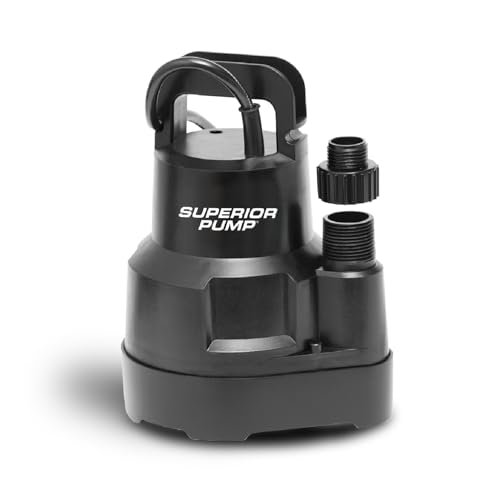 Superior Pump 91014 1/4 HP Submersible Utility Pump
Drains a pool, cover, or equipment pit when you need to lower the water. View on Amazon →
Superior Pump 91014 1/4 HP Submersible Utility Pump
Drains a pool, cover, or equipment pit when you need to lower the water. View on Amazon →
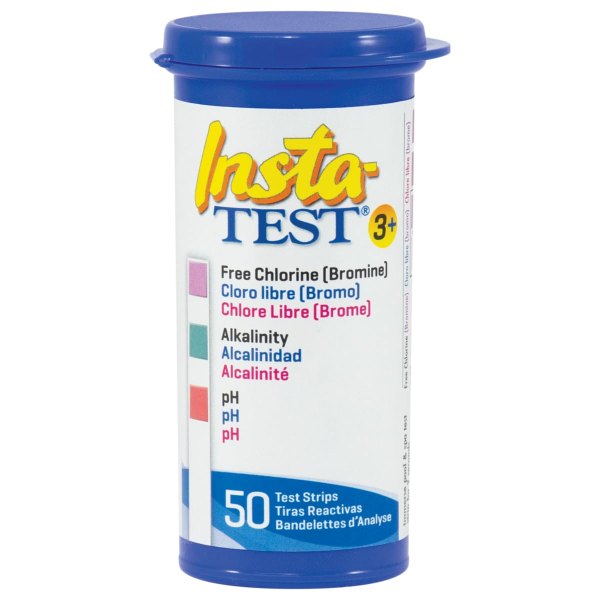 LaMotte Insta-Test 3 Pool Strips (50 ct)
Pro-grade 3-way strips from LaMotte — chlorine, pH & alkalinity, fast and accurate. Top-rated at 4.8★. View on Amazon →
LaMotte Insta-Test 3 Pool Strips (50 ct)
Pro-grade 3-way strips from LaMotte — chlorine, pH & alkalinity, fast and accurate. Top-rated at 4.8★. View on Amazon →
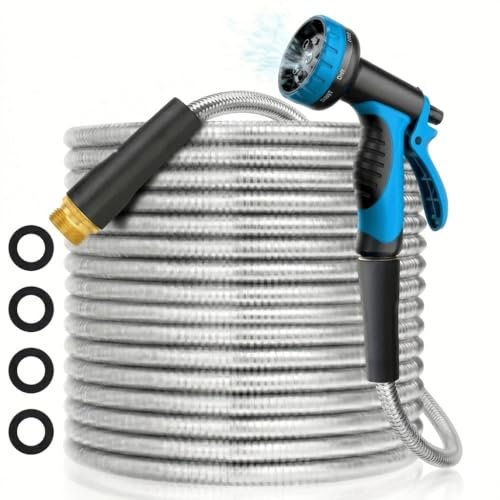 50 ft Flexible Metal Garden Hose (Kink-Free)
Durable hose for filling, priming, and rinsing equipment. View on Amazon →
50 ft Flexible Metal Garden Hose (Kink-Free)
Durable hose for filling, priming, and rinsing equipment. View on Amazon →
Still need help? Ask a Pool & Spa Expert AD
Get a personalized answer from PoolGuy810 — 30 years owning a pool and spa repair company. Describe your issue and get step-by-step help.
Related Pool Guides
Need More Help?
Try our free pool calculators and tools to help diagnose and fix your pool problems.
Browse Pool ToolsSLAM calculator, pH calculator, salt dosing & more