
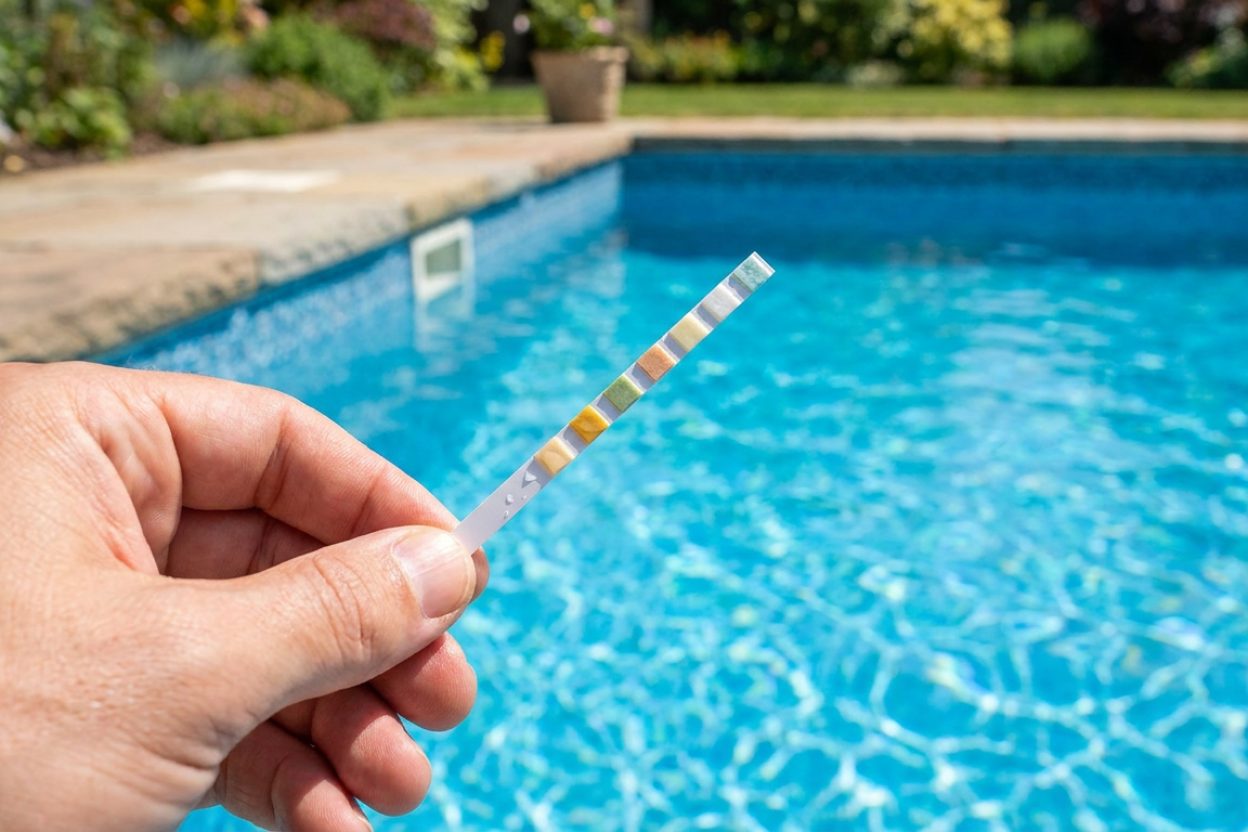
Can I Swim in High Alkalinity Pool? Safety & Solutions

Is it safe to swim with high alkalinity or do I need more chemicals?
Read full question
This morning I'm standing in the pool store aisle staring at bottles of alkalinity reducer with no clue which one I actually need after my pool tested high. They're making it sound like it's dangerous to even dip a toe in the water, but I'm wondering if they're just trying to upsell me again.
Can I actually swim in my pool while the alkalinity is high, or is this a real safety issue? I'm getting tired of spending hundreds every time something is slightly off with my water chemistry. If it's not immediately dangerous, I'd rather take some time to research DIY solutions instead of buying whatever overpriced fix they're pushing this week.
Quick Answer
You can swim in a high alkalinity pool temporarily, but it may cause skin and eye irritation. High alkalinity isn't immediately dangerous but should be corrected to prevent equipment damage and maintain water comfort.
Quick Answer: Yes, But Take Precautions
Skin and eye irritation is usually driven by chloramines or off-range pH rather than alkalinity directly — but high alkalinity often pushes pH up and keeps it there, which can contribute to that discomfort and to cloudy, scale-prone water. High total alkalinity (above 150 ppm) won't harm you like dangerous bacteria or extreme pH levels would, but you'll likely experience skin dryness, eye irritation, and cloudy water. The bigger concern is what high alkalinity does to your pool's chemistry balance and equipment over time.
What Constitutes High Alkalinity
Total alkalinity (TATotal Alkalinity — The buffer that keeps your pH from bouncing around. Get this in range and pH gets a lot easier to manage. learn more →) should be maintained between 80-120 ppm for traditional chlorine pools, or 60-80 ppm for salt water generator pools. When your alkalinity climbs above 150 ppm, you're entering problematic territory. Readings above 200 ppm are considered severely high and will cause multiple issues throughout your pool system.
High alkalinity acts as a buffer that prevents pH changes, which sounds good in theory but becomes problematic when it locks your pH at undesirable levels. This creates a cascade of water balance issues that affect everything from sanitizer effectiveness to bather comfort.
Immediate Swimming Concerns
While high alkalinity won't cause immediate health emergencies, swimmers will notice several uncomfortable effects:
- Skin irritation and dryness: High alkalinity often correlates with high pH, creating water that feels slippery and leaves skin feeling tight and dry after swimming
- Eye and nose irritation: The imbalanced water chemistry can cause burning sensations in eyes and nasal passages
- Cloudy water: High alkalinity often leads to calcium scaling and precipitation, making water appear hazy or milky
- Slightly weaker chlorine: When high alkalinity pushes pH up, a larger share of the chlorine exists as the weaker hypochlorite ion, so you may need a bit more free chlorine to keep the same sanitizing power; in a properly chlorinated pool this rarely lets bacteria take hold
Long-Term Pool Damage
The real danger of high alkalinity isn't to swimmers but to your pool system. Continued operation with high TA levels causes:
Equipment scaling: Calcium deposits build up in your heater, pump, and filter system, reducing efficiency and shortening equipment life. Heat exchangers are particularly vulnerable, with scaling reducing heat transfer and potentially causing expensive damage.
Surface staining: Plaster pools develop unsightly calcium scale deposits that require acid washing or professional removal. Vinyl and fiberglass surfaces can become permanently stained or roughened.
Filter clogging: Precipitation caused by high alkalinity clogs filters more frequently, requiring more backwashing and earlier replacement of filter media.
Quick Fix: Lowering Alkalinity Safely
To lower total alkalinity, you'll need muriatic acid (hydrochloric acid). Never add acid while people are swimming. Because acid lowers both pH and total alkalinity together, you then aerate the water to bring pH back up while TA stays down, so plan to keep everyone out for a few hours and retest pH before anyone gets in.
- Size the dose: The amount varies significantly with your current TA and pH, so use our pool calculator for an estimate.
- Keep the pump running: Add acid with the water circulating - there's no need to pool it in one spot. Adding acid lowers both pH and total alkalinity together, and the way you pour it doesn't change that, so turning the pump off does not "preferentially" lower alkalinity (a common myth).
- Pre-dilute the acid: Fill a 5-gallon bucket with pool water, then slowly add acid to the water (never water to acid). This reduces fumes and prevents surface damage.
- Add acid carefully: With the pump running, pour the pre-diluted acid slowly in front of a return jet or around the pool perimeter, never into the skimmer. Wear safety goggles, gloves, and avoid breathing fumes.
- Let it mix in: Brush to disperse the acid and let the water circulate. This lowers both pH and total alkalinity together.
- Aerate the water: Run fountains, waterfalls, or point return jets upward to drive off CO2 and bring pH back up. The acid you added is what lowered total alkalinity; aeration only raises pH back toward 7.4-7.6 while TA stays reduced.
- Retest after 24 hours: Check both TA and pH levels. You may need to repeat the process if alkalinity is still high.
Monitoring and Prevention
Test your pool water twice weekly using a reliable test kit like the Taylor K-2006. While test strips work for routine checks, liquid reagent test kits like the Taylor K-2006 provide more precise readings for alkalinity adjustments.
High alkalinity often results from:
- Adding too much sodium bicarbonate (baking soda)
- Using alkaline shock treatments repeatedly
- Fill water with naturally high alkalinity
- Runoff from limestone decking or alkaline soil entering the pool after rain
Prevention tip: When shocking your pool, use liquid chlorine (sodium hypochlorite) instead of cal-hypo shock, which raises both pH and alkalinity. Liquid chlorine has a high pH but doesn't affect total alkalinity.
When to Stay Out
While high alkalinity alone isn't dangerous, avoid swimming if:
- You're adding acid or other chemicals
- The water appears severely cloudy (visibility less than 6 feet)
- pH is above 8.0 (often accompanies high alkalinity)
- You notice strong chemical odors (indicating chloramine buildup)
- Anyone experiences severe skin or eye irritation
Remember, high alkalinity is a gradual problem that gets worse over time. While one swim won't hurt you, addressing the issue promptly prevents more serious complications and expensive repairs. Focus on bringing alkalinity into the proper range (80-120 ppm for traditional pools, 60-80 ppm for SWGSalt Water Generator — The "salt cell" that makes chlorine from the salt in a saltwater pool. Same chlorine — it just makes its own. pool terms →) for optimal water quality and swimmer comfort.
For the full breakdown of safe chlorine levels by CYACyanuric Acid (stabilizer) — Sunscreen for your chlorine — it keeps sunlight from burning it off. The catch: the more you have, the more chlorine you need to keep. learn more → level, see our pool water chemistry guide.
 Taylor K-2006C Complete FAS-DPD Pool & Spa Test Kit
The FAS-DPD kit pool pros trust — reads chlorine accurately even at shock/SLAM levels, plus pH, alkalinity, calcium hardness and CYA. View on Amazon →
Taylor K-2006C Complete FAS-DPD Pool & Spa Test Kit
The FAS-DPD kit pool pros trust — reads chlorine accurately even at shock/SLAM levels, plus pH, alkalinity, calcium hardness and CYA. View on Amazon →
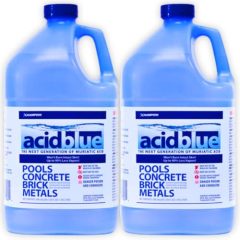 Acid Blue - Low Fume Muriatic Acid for Swimming Pools & Spas - Lower's pH, Reduces Alkalinity - 2 Gallon
View on Amazon →
Acid Blue - Low Fume Muriatic Acid for Swimming Pools & Spas - Lower's pH, Reduces Alkalinity - 2 Gallon
View on Amazon →
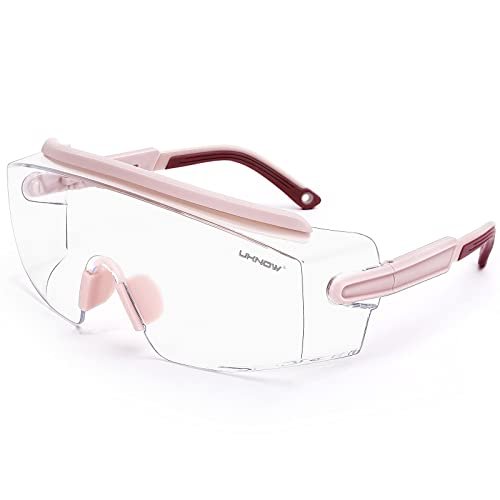 UKNOW Anti-Fog Chemical Splash Safety Goggles
Sealed splash goggles for handling muriatic acid and chlorine. View on Amazon →
UKNOW Anti-Fog Chemical Splash Safety Goggles
Sealed splash goggles for handling muriatic acid and chlorine. View on Amazon →
Still need help? Ask a Pool & Spa Expert AD
Get a personalized answer from PoolGuy810 — 30 years owning a pool and spa repair company. Describe your issue and get step-by-step help.
Related Pool Guides
Need More Help?
Try our free pool calculators and tools to help diagnose and fix your pool problems.
Browse Pool ToolsSLAM calculator, pH calculator, salt dosing & more