
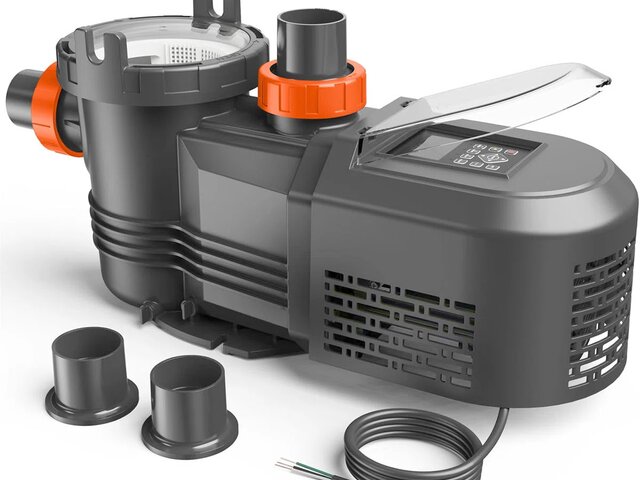
How to Fix a Clogged Pool Pump Impeller

Pool pump impeller clogged right before our big party — help!
Read full question
My pool pump started making a grinding noise yesterday and the water flow through the skimmer has slowed to almost nothing — and we're hosting a big backyard pool party this Saturday. The filter pressure is reading lower than normal, which I've read can mean a clogged impeller. I pulled out the strainer basket and it had some debris in it, but even after cleaning it out the flow is still weak.
I'm pretty handy and would love to tackle this myself if it's doable without a pro. Can anyone walk me through how to actually get into the impeller and clear it out safely? I want to make sure I don't damage anything in the process — and I definitely need the pump running properly before the weekend.
Quick Answer
A clogged pool pump impeller is a very common problem, usually caused by debris slipping past the strainer basket and jamming the spinning vanes. Most of the time you can clear it yourself in under an hour by shutting off power, accessing the impeller through the pump housing, and manually removing the blockage. After clearing and reassembling, check for normal flow and listen for any unusual noises.
Nine Times Out of Ten, This Is a DIY Fix
A clogged pump impeller sounds intimidating, but it's one of the most common — and most fixable — pool pump problems out there. The impeller is the spinning component inside your pump that creates suction and pushes water through your filter system. When leaves, pine needles, sand, plaster chips, or other debris slip past the strainer basket and get wedged in the impeller's vanes, flow drops dramatically and you'll often hear grinding or humming noises as the motor strains. Low filter pressure and sluggish skimmer suction are the classic giveaways.
The good news: with a little patience and the right approach, most homeowners can clear it without calling a technician.
Before You Touch Anything — Safety First
Always shut the pump off at the circuit breaker, not just the pump switch. Pool pumps commonly run on 240V (though some smaller or above-ground models use 120V) — either way, working on an energized pump is genuinely dangerous. Once power is off, close the valves on both the suction and return sides of the pump to prevent backflow while you're working.
What You'll Need
- Flathead and Phillips screwdrivers
- Needle-nose pliers
- A small piece of stiff wire or a zip tie (for reaching into tight spaces)
- Soft-bristle brush
- White vinegar and water (for calcium deposits)
- A replacement O-ring for the pump lid — worth having on hand, and inexpensive at most pool supply stores
- Towels or a small bucket for draining water
Step-by-Step: Clearing the Impeller
Kill the power and close the valves. As above — circuit breaker off, both valves closed.
Open the pump and remove the strainer basket. Unscrew the pump lid (some lids twist off by hand, others require a strap wrench) and lift out the strainer basket. Dump and rinse any debris.
Check the impeller from the basket chamber first. Reach behind where the basket sits — you'll be able to feel the impeller opening. Use a stiff wire, a straightened zip tie, or needle-nose pliers and make a gentle swirling motion to pull out any visible debris. Many clogs can be cleared right here without going any further.
Spin the impeller by hand. Once you think you've cleared the debris, try spinning the impeller with your finger. It should rotate freely with light resistance. If it's still stuck or grinding, proceed to the next step.
Remove the pump housing or diffuser cover. If the clog is deeper, you'll need to unbolt the front pump housing (or the diffuser/impeller shroud, depending on your model). Keep track of bolts and their order. The impeller will now be exposed — clear the vanes with needle-nose pliers, a soft brush, or a gentle pick. Be careful not to bend or chip the vanes, as a damaged impeller will need replacement.
Deal with calcium buildup if present. If the blockage is white, crusty, and hard rather than leafy debris, you may be dealing with calcium scale. A diluted white vinegar soak can help soften deposits — exact concentration and soak time will depend on severity, so start conservatively and check progress. Rinse thoroughly before reassembly. For heavy scale, a pool professional may have access to more effective descaling solutions.
Reassemble carefully. Work in reverse order. Pay close attention to the O-ring on the pump lid — if it looks cracked, flattened, or brittle, replace it now. A worn O-ring is a very common cause of air leaks that make it look like the impeller is clogged when it isn't. Apply a thin layer of silicone-based lubricant (not petroleum-based) to the O-ring before seating it.
Prime and restart. With everything reassembled, open your valves, prime the pump if needed (add water to the basket housing before replacing the lid), then restore power at the breaker. Watch for flow to return to the pool — most pumps prime within a minute or two under normal conditions, but this varies by setup. Consult your pump manual for the recommended maximum dry-run time, and shut off and investigate if priming takes significantly longer than expected.
What If Clearing It Doesn't Work?
If the impeller spins freely after cleaning but flow is still weak, the problem may be elsewhere — a cracked impeller vane, a failing seal, a suction-side air leak, or even a separate filter issue. It's worth checking your pool filter for a pressure spike or blockage at the same time.
If the impeller itself is visibly cracked or broken, replacement is the next step. Impeller replacement costs vary widely depending on your pump model, parts availability, and local labor rates — get a quote from a local pool tech before deciding whether to DIY or hire out. If your pump is older and has had repeated issues, it may also be worth evaluating whether a full pump upgrade makes more sense financially long-term. Modern variable-speed pumps from manufacturers like Pentair and Jandy offer significant energy savings and often include flow-monitoring features that help catch problems early. Check current models and pricing with your pool supplier.
Keeping This From Happening Again
Prevention really comes down to your first line of defense: the strainer basket. Clean it regularly during heavy swim season — weekly is a reasonable starting point for most pools, but you may need to check more frequently if you have heavy foliage nearby, high bather load, or after storms. A skimmer sock (a fine mesh net that fits inside your skimmer basket) adds an extra layer of filtration and dramatically reduces what reaches the pump. Inspect the impeller area periodically — especially after periods of heavy foliage — so small accumulations don't build into full blockages.
Keeping your overall water chemistry balanced also helps reduce scale buildup that can contribute to impeller fouling over time. If you want a refresher on balanced pool water, our pool water chemistry guide covers everything you need.
With a little luck and the steps above, you should have that pump humming again well before Saturday's party.
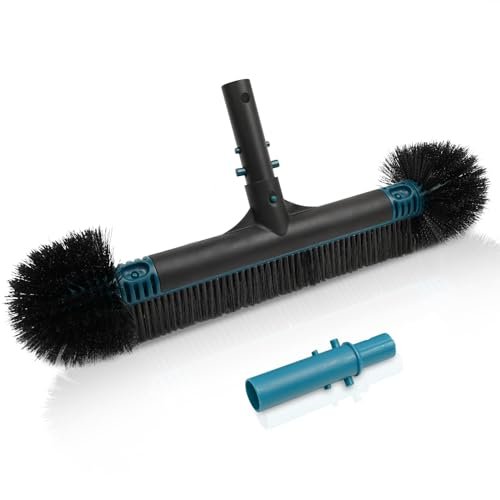 Poolvio 20" 2-in-1 Pool Brush Head (Walls & Floor)
Sturdy 20-inch brush head that clips onto any standard telescopic pole. View on Amazon →
Poolvio 20" 2-in-1 Pool Brush Head (Walls & Floor)
Sturdy 20-inch brush head that clips onto any standard telescopic pole. View on Amazon →
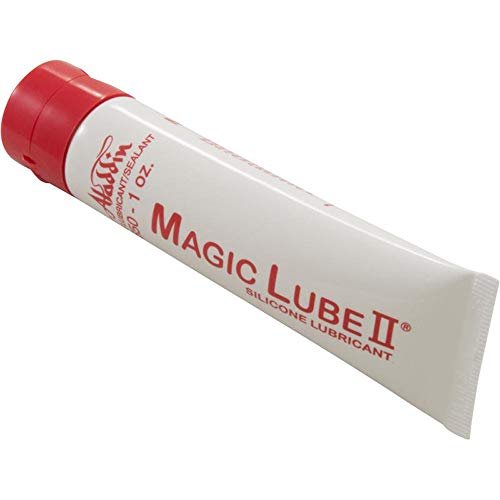 Aladdin Magic Lube II — Pool O-Ring & Gasket Silicone Lubricant (1 oz)
Waterproof silicone lube that keeps pump-lid and valve O-rings sealed and pliable — the usual cure for lost prime. View on Amazon →
Aladdin Magic Lube II — Pool O-Ring & Gasket Silicone Lubricant (1 oz)
Waterproof silicone lube that keeps pump-lid and valve O-rings sealed and pliable — the usual cure for lost prime. View on Amazon →
Still need help? Ask a Pool & Spa Expert AD
Get a personalized answer from PoolGuy810 — 30 years owning a pool and spa repair company. Describe your issue and get step-by-step help.
Related Pool Guides
Need More Help?
Try our free pool calculators and tools to help diagnose and fix your pool problems.
Browse Pool ToolsSLAM calculator, pH calculator, salt dosing & more