
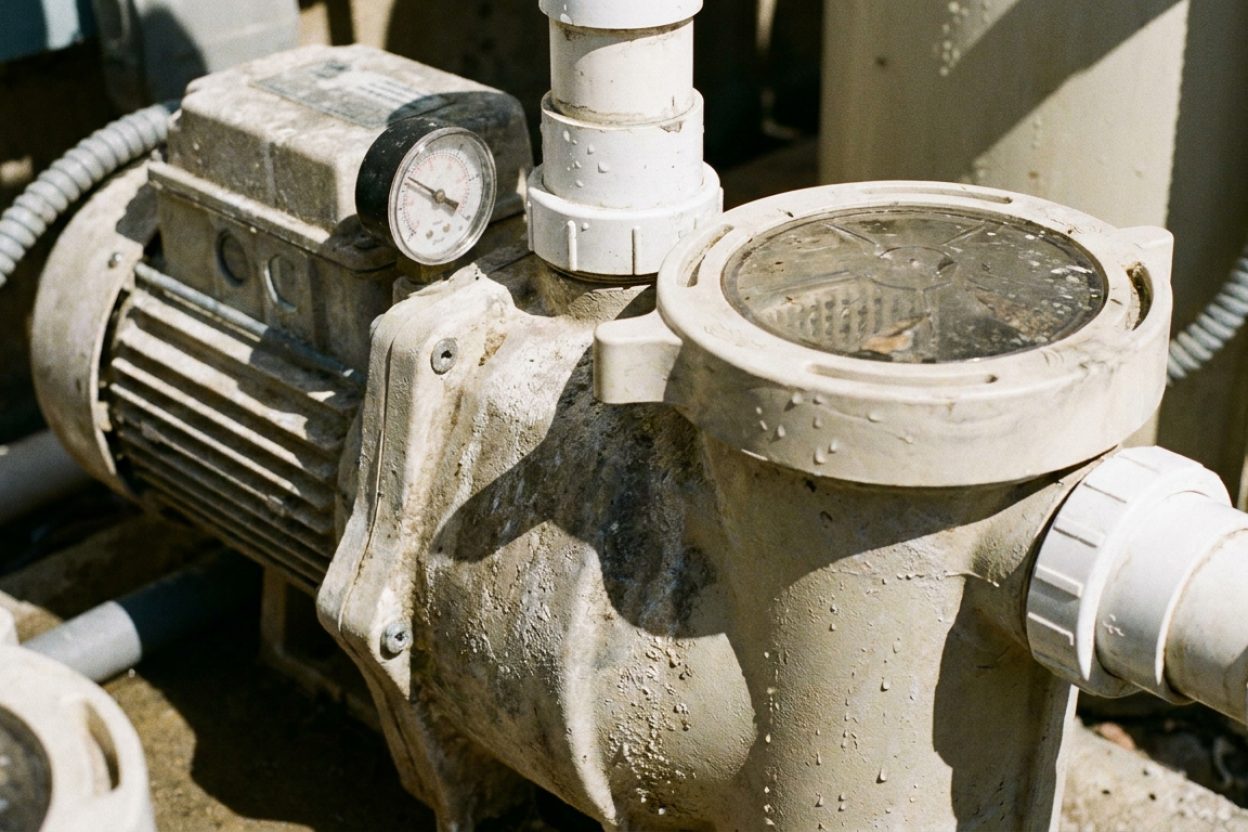
Pool Pump Loses Prime Overnight? Here's the Fix

Pool Pump Loses Prime Every Night — Full Basket of Air Each Morning
Read full question
Found the pump basket completely packed with air again this morning when I went out to check on the pool — same thing that happened yesterday, and the day before that. Once I manually fill the housing with water and get it going, the pump runs beautifully all day with no issues at all. But the second I shut it off for the night and try to fire it back up, it just churns away with a basket full of air and refuses to catch on its own.
This has become a frustrating daily ritual. I have a standard above-ground setup and the pump is maybe three or four years old. Water level in the pool looks fine, and I haven't noticed any obvious drips or wet spots around the equipment pad. I'm not sure if this is a seal issue, something with a valve, or just normal wear and tear at this point.
Is there a way to track down exactly where the air is sneaking in? I'd love to fix this myself if it's something manageable, or at least know what I'm dealing with before calling someone out.
Quick Answer
A pump that loses prime overnight almost always has an air leak on the suction side — the most common culprits are a worn lid O-ring, a failing foot or check valve, or a loose fitting somewhere between the pool and the pump. Systematically checking each potential entry point for air, starting at the pump lid and working back toward the pool, will usually pinpoint the problem. In most cases the repair is a straightforward seal or O-ring replacement.
The Air Is Getting In Somewhere — Here's How to Find It
Your overnight prime loss is a textbook sign of air entering the suction side of your pool's plumbing. When the pump is on, water flows quickly enough to mask the issue. After shutdown, however, water can slowly drain back through the leak, leaving the pump housing empty and unable to pull water when restarted.
Fortunately, this problem is highly diagnosable. The root cause is usually one of a few common parts. A systematic check, moving from the pump back toward the pool, will likely reveal the issue.
Start Right at the Pump Lid
The most frequent offender for losing prime is the pump lid O-ring. Remove the lid and examine this seal closely. You should look for:
- Cracks, flattening, or any warping
- A dry, brittle feel instead of a soft, slightly sticky texture
- Any dirt or small debris trapped in the groove where the O-ring sits
After cleaning the groove, apply a silicone-based pool lubricant to the O-ring. Avoid petroleum-based lubricants, as they can damage rubber seals over the long term. Refer to your pump's manual for compatible products. If the O-ring shows any wear, replace it—it's an inexpensive first step. Also inspect the lid itself for small cracks, which can be hard to see but still allow air inside.
Don't forget the drain plugs on the pump housing. Ensure their gaskets are in good condition and that the plugs are tight. A leaking drain plug is a common but easily missed source of air.
Work Your Way Back Along the Suction Line
If the pump lid and drain plugs are secure, the next area to check is the entire length of suction plumbing. Examine every fitting, union, and valve between the pump and the pool. A minor crack or a slightly loose connection can admit enough air overnight to drain the pump. With the pump running, feel along the pipes for vibrations that might indicate a loose fitting, and watch for any fine water spray that suggests a leak. Hand-tighten any loose unions, but avoid over-tightening, which can crack PVC. Replace any visibly cracked components.
Give special attention to any multiport or ball valves on the suction line. Their internal seals can fail with age, permitting air to seep past even when the valve appears sealed from the outside.
The Foot Valve or Check Valve Is a Key Suspect
A critical but often-missed component is the foot valve or check valve on the suction line. Its job is to trap water in the line when the pump turns off, preventing the exact prime loss you're experiencing. If this valve fails, becomes clogged, or wears out, water will flow back toward the pool after shutdown, filling the line with air by morning.
To test it: after priming and running the pump, turn it off and observe the water level in the strainer basket. If the level drops significantly within minutes of shutdown, your check or foot valve is not sealing properly. You may need to clean debris from the valve seat or replace the valve entirely. A functional check valve is crucial for maintaining prime.
Don't Overlook Water Level and Suction Line Debris
Before concluding there's a mechanical failure, perform two simple checks. First, verify your pool water level is at least halfway up the skimmer opening. A low level allows the skimmer to draw air directly into the system. Second, ensure the pump strainer basket is clean. A clogged basket creates extra resistance, making it harder for the pump to achieve and hold a prime.
If you have a long or elevated suction line, also consider whether a blockage might be involved. Debris, sediment, or algae inside the pipe can restrict flow and complicate priming.
The Internal Pump Seal — A Longer-Term Suspect
If all other checks come up empty, the problem might be the internal mechanical seal inside the pump. This seal is located where the motor shaft enters the pump's wet end. If it cracks or wears, it can allow air directly into the pump housing. A failing seal often (though not always) reveals itself as a small, persistent drip of water from the area beneath the motor. Seeing such a leak means the seal requires replacement—a job for a qualified technician and a good opportunity to have the overall pump condition evaluated if it's an older unit.
How to Diagnose Systematically
- Prime the pump and let it run until water flow is steady.
- Turn the pump off and immediately watch the strainer basket water level—does it fall rapidly?
- Wait 15–30 minutes, then check if the pump housing is still full of water.
- If it has drained, the air leak is on the suction side. Inspect the O-ring, lid, drain plugs, and all fittings.
- As a first, low-cost step, lubricate or replace the pump lid O-ring.
- Test the foot/check valve by monitoring basket water level after shutdown.
- If all external seals are good, inspect for signs of a leaking internal mechanical seal.
For more on equipment care, the pool water chemistry guide is a useful resource—pump problems can be worsened by chemistry issues like scale buildup, which accelerates seal wear.
Preventing This From Happening Again
After fixing the leak, regular maintenance will help prevent recurrence. Lubricate the pump lid O-ring at the start of each swimming season and inspect it midway through. Check union O-rings annually. Keep the strainer basket clean to reduce pump strain. If your system doesn't have a check valve on the suction line, installing one is a worthwhile upgrade that eases the priming process with every start.
This is a fixable issue. In most cases, it involves a seal or O-ring that costs very little to replace. By methodically checking the suction side, you can typically locate the air source yourself before incurring expensive service calls.
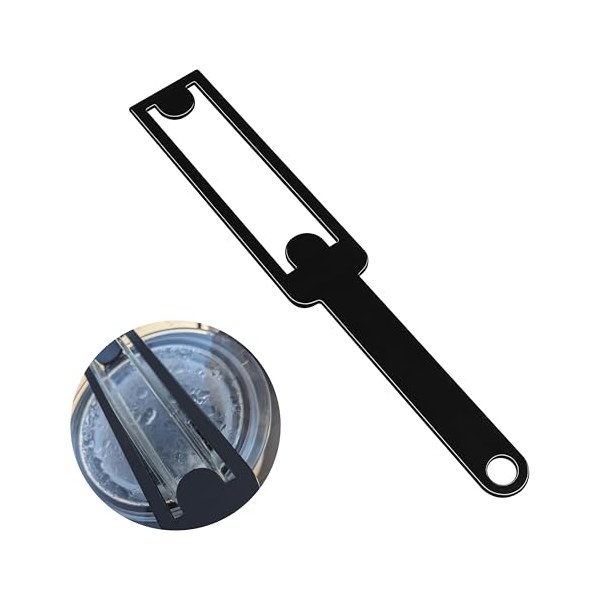 Pump Lid Wrench (Hayward Super II)
Breaks loose a stuck Hayward Super II strainer lid (SP3000/SP3007). View on Amazon →
Pump Lid Wrench (Hayward Super II)
Breaks loose a stuck Hayward Super II strainer lid (SP3000/SP3007). View on Amazon →
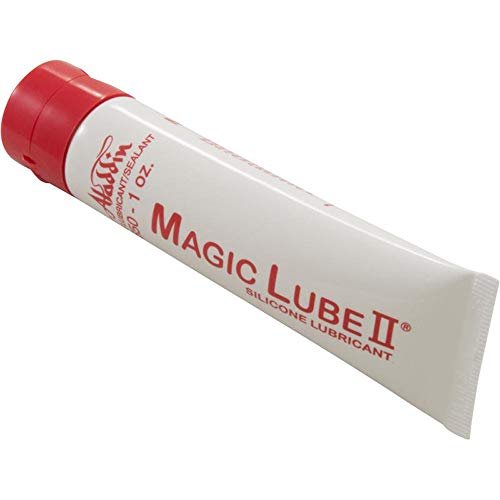 Aladdin Magic Lube II — Pool O-Ring & Gasket Silicone Lubricant (1 oz)
Waterproof silicone lube that keeps pump-lid and valve O-rings sealed and pliable — the usual cure for lost prime. View on Amazon →
Aladdin Magic Lube II — Pool O-Ring & Gasket Silicone Lubricant (1 oz)
Waterproof silicone lube that keeps pump-lid and valve O-rings sealed and pliable — the usual cure for lost prime. View on Amazon →
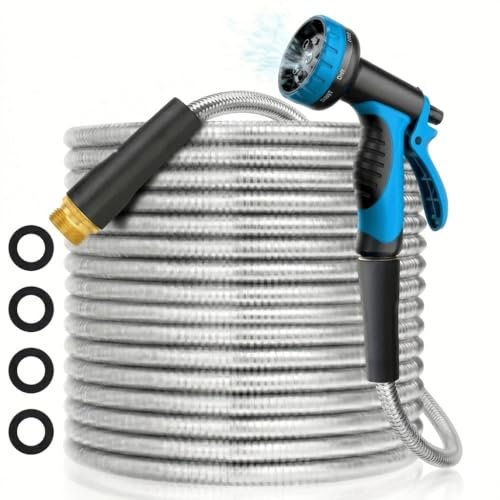 50 ft Flexible Metal Garden Hose (Kink-Free)
Durable hose for filling, priming, and rinsing equipment. View on Amazon →
50 ft Flexible Metal Garden Hose (Kink-Free)
Durable hose for filling, priming, and rinsing equipment. View on Amazon →
Still need help? Ask a Pool & Spa Expert AD
Get a personalized answer from PoolGuy810 — 30 years owning a pool and spa repair company. Describe your issue and get step-by-step help.
Related Pool Guides
Need More Help?
Try our free pool calculators and tools to help diagnose and fix your pool problems.
Browse Pool ToolsSLAM calculator, pH calculator, salt dosing & more