

How Long to Backwash Pool Sand Filter: Complete Guide

How long should I backwash my sand filter to avoid wasting water?
Read full question
Since it's 11 PM and my sand filter pressure just spiked to dangerous levels — need to backwash this thing before my pump burns out overnight. Right now I'm dealing with my sand filter - the pressure has gone up quite a bit from when I first cleaned it, and I know it's time to backwash.
But here's my question: how long should I actually run the backwash cycle? I don't want to waste a ton of water (my utility bills are already high enough), but I also want to make sure I'm doing it properly. Is there a specific time I should aim for, or some other way to tell when it's done? I'd rather figure this out myself than pay someone else to do basic maintenance.
Quick Answer
Backwash your pool sand filter for 2-3 minutes or until the water in the sight glass runs clear. It's time to start a backwash when your pressure gauge reads 8-10 PSI above the clean starting pressure; then run it for 2-3 minutes until the sight glass runs clear.
How to Determine Backwash Duration
The duration of your backwash depends on several factors, but here's how to get it right every time:
Visual Method (Most Reliable)
If your multiport valve has a sight glass or clear dome, watch the water flowing through it. Start the backwash and observe:
- Initial 30 seconds: Water will be very dirty and cloudy
- 1-2 minutes: Water begins to clear but still has visible debris
- 2-3 minutes: Water runs completely clear
- Stop when clear water flows for 15-30 seconds continuously
Pressure Gauge Method
Your filter's pressure gauge tells you when backwashing is needed and helps determine duration:
- Clean filter starting pressure: Note this after installation
- Backwash needed: When pressure rises 8-10 PSI above clean pressure
- During backwash: Pressure should drop as debris is removed
- Stop when pressure stabilizes at or near clean starting pressure
Step-by-Step Backwashing Process
- Turn off pool pump - Never move multiport valve while pump is running
- Set valve to BACKWASH - Turn handle to backwash position
- Start pump - Turn pump back on and begin timing
- Monitor water clarity - Watch sight glass or waste line discharge
- Continue for 2-3 minutes - Or until water runs clear
- Turn off pump - Stop pump before changing valve position
- Set to RINSE - Move valve to rinse position
- Rinse for 30 seconds - This settles the sand bed
- Return to FILTER - Set valve back to normal operation
- Restart normal operation - Resume regular filtration
Signs You Need to Backwash
Don't wait for a schedule - backwash when your filter tells you it needs it:
Pressure Increase
The most reliable indicator is your pressure gauge. When it reads 8-10 PSI higher than your clean starting pressure, it's time to backwash. For example, if your clean pressure is 12 PSI, backwash when it reaches 20-22 PSI.
Reduced Water Flow
If you notice decreased flow from your return jets or reduced suction at your skimmer, a dirty filter is likely the culprit. The clogged sand bed restricts water flow through the system.
Cloudy Pool Water
When your sand filter can't capture particles effectively, water clarity suffers. If your water chemistry is balanced but the pool looks hazy, check your filter pressure.
Backwashing Frequency Guidelines
How often you backwash depends on pool usage and environmental factors:
- Heavy use periods: Every 1-2 weeks during peak season
- Normal use: Every 2-4 weeks during regular season
- After storms: Generally it's a good idea to backwash after heavy rain or windstorms
- After algae treatment: Backwash daily during SLAMShock Level And Maintain — raise free chlorine to a target based on your CYA and hold it there until the algae is gone. It's a process, not a one-time dose. the SLAM walkthrough → treatment
- Spring opening: Always backwash when opening your pool
Common Backwashing Mistakes
Over-Backwashing
Backwashing too long (over 5 minutes) wastes water and can channel sand, reducing filtration effectiveness. A pool sand filter works mechanically—it traps particles by sieving and depth filtration, not via bacteria (that's slow-sand/biological filters). A slightly dirty bed does filter a bit finer, but only up to a point.
Under-Backwashing
Stopping too early leaves debris in the filter, reducing its effectiveness. Always ensure water runs clear before stopping.
Skipping the Rinse Cycle
Always rinse for 30 seconds after backwashing. This settles the sand bed and prevents dirty water from entering your pool when you resume filtration.
Moving Valve Under Pressure
Always turn off your pump before changing valve positions. Operating the multiport valve under pressure can damage internal components.
Water Conservation Tips
Backwashing uses 200-300 gallons of water per cycle. To minimize waste:
- Run your variable-speed pump at high speed for backwashing — backwashing needs high flow to lift the sand bed and flush debris; low speed won't clean it properly (and a weak backwash just gets repeated, wasting more water)
- Direct waste water to landscaping if chemicals allow
- Consider upgrading to a cartridge filter for water conservation
- Maintain proper water chemistry to reduce backwash frequency
When Backwashing Isn't Enough
If you're backwashing more than weekly or pressure rises quickly after backwashing, your sand may need attention:
- Sand replacement: Every 5-7 years or when sand particles become rounded
- Filter cleaning: Use filter cleaner annually to remove oils and buildup
- Sand channeling: May require sand replacement if severe
Remember, effective backwashing is about water clarity, not just time. Watch for clear water, maintain your equipment properly, and your sand filter will provide years of reliable service.
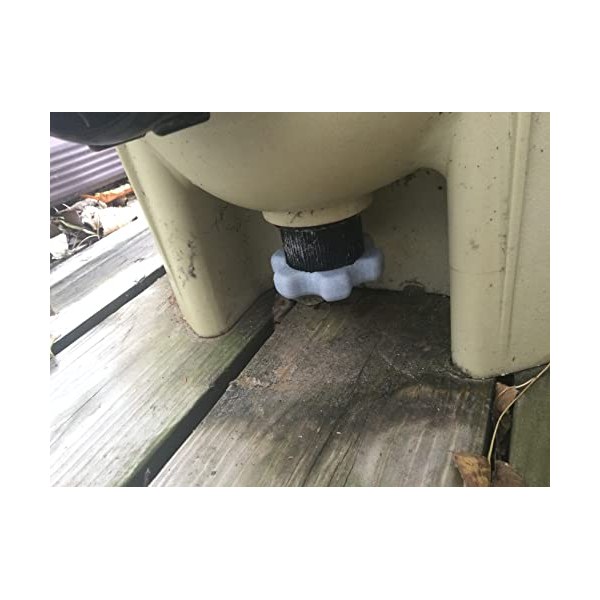 Filter Drain Plug Wrench (Pentair Clean & Clear/FNS)
Grips the drain plug on Pentair Clean & Clear and FNS filters. View on Amazon →
Filter Drain Plug Wrench (Pentair Clean & Clear/FNS)
Grips the drain plug on Pentair Clean & Clear and FNS filters. View on Amazon →
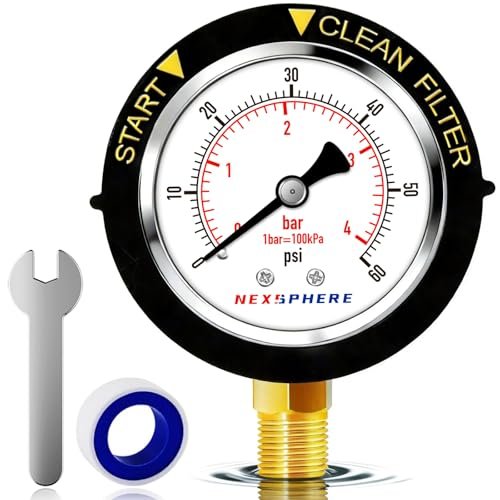 NexSphere Pool Filter Pressure Gauge, 0–60 PSI, 2 in Dial
Replacement back-mount gauge so you can read filter pressure and know when to backwash. View on Amazon →
NexSphere Pool Filter Pressure Gauge, 0–60 PSI, 2 in Dial
Replacement back-mount gauge so you can read filter pressure and know when to backwash. View on Amazon →
Still need help? Ask a Pool & Spa Expert AD
Get a personalized answer from PoolGuy810 — 30 years owning a pool and spa repair company. Describe your issue and get step-by-step help.
Related Pool Guides
Need More Help?
Try our free pool calculators and tools to help diagnose and fix your pool problems.
Browse Pool ToolsSLAM calculator, pH calculator, salt dosing & more