
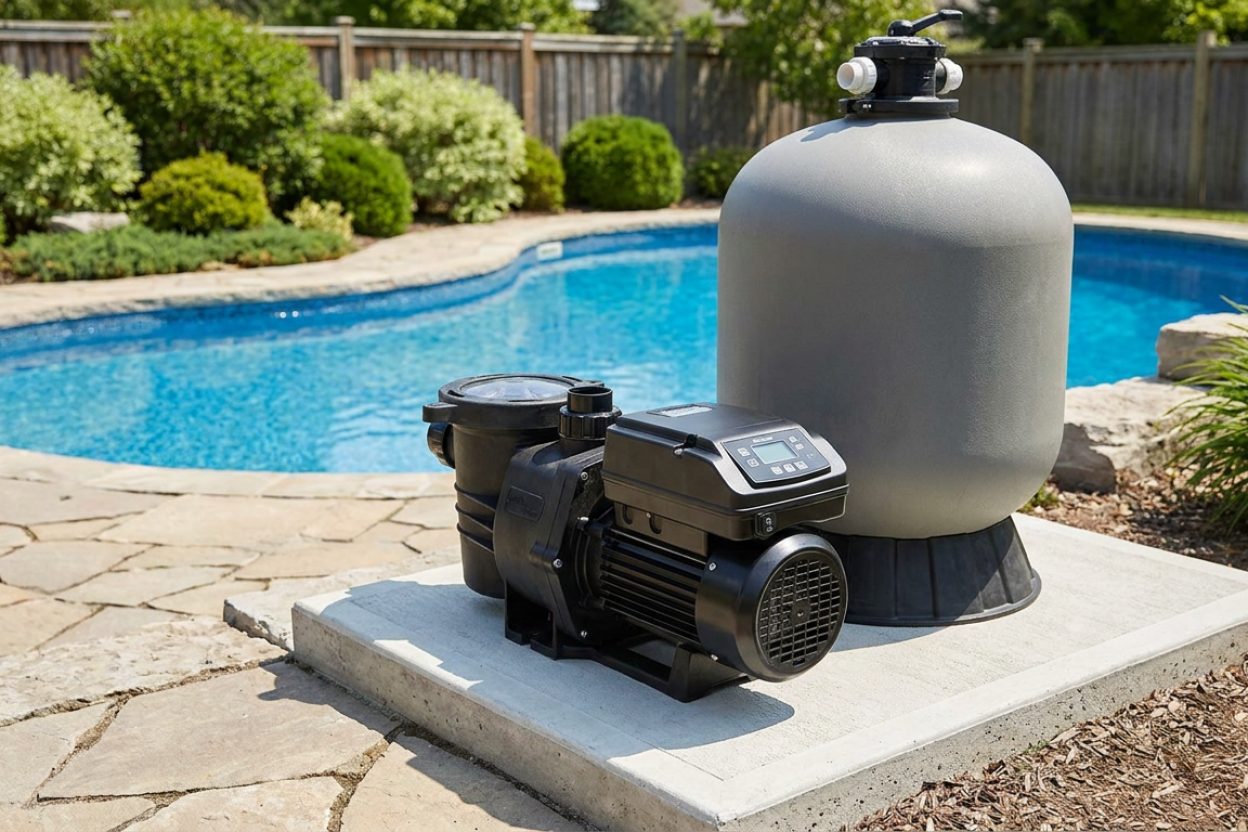
Do Variable Speed Pool Pumps Last Longer? What to Know

Variable Speed vs Single Speed Pool Pumps: Longevity Comparison?
Read full question
Noticed this is the third pool pump that's died on me in five years and I'm done guessing whether upgrading to variable speed will actually give me better longevity. While the upfront investment is significantly higher than single speed units, I need to understand the actual lifespan differences between these pump types to calculate true ROI.
Specifically, I'm looking for data on operational longevity - how many years can I realistically expect from a variable speed pump compared to a traditional single speed unit? Are there mechanical advantages to variable speed operation that translate to extended equipment life, or is this primarily marketing?
Quick Answer
Variable speed pool pumps generally last longer than single speed pumps, typically 10-15 years compared to 8-12 years, due to operating at lower speeds most of the time which reduces mechanical wear, heat stress, and benefits from their totally enclosed motor design.
Why Variable Speed Pumps Last Longer
Reduced Operating Speed
Variable speed pumps spend most of their operating time running at 1,500-2,400 RPM instead of the constant 3,450 RPM (for 2-pole motors) of single speed pumps. This lower operating speed significantly reduces:
- Bearing wear and friction
- Motor heat generation
- Impeller stress and cavitation
- Seal deterioration
- Overall mechanical fatigue
Heat Management
Heat is the primary enemy of electric motors. Variable speed pumps generate less heat because:
- Lower RPMs create less friction in bearings and seals
- The motor operates in its most efficient range more often
- Built-in thermal protection prevents overheating
- Better ventilation designs in newer models
Advanced Motor Technology
Most variable speed pumps use permanent magnet motors (similar to hybrid car technology) rather than induction motors found in single speed pumps. These motors offer:
- Higher efficiency (less energy converted to waste heat)
- Better speed control and smoother operation
- Reduced electrical stress on windings
- More precise magnetic field control
Lifespan Comparison by Brand
Premium Brands (10-15 years typical)
- Pentair IntelliFlo: Known for excellent longevity, many units exceed 12 years
- Hayward Super Pump VS: Solid 10-12 year average with proper maintenance
- Jandy VS FloPro: Comparable reliability to Pentair models
Mid-Range Options (8-10 years typical)
- Harris ProForce VS: Good value with decent longevity
- Pentair SuperFlo VS: Entry-level option from premium manufacturer
Factors That Maximize Pump Lifespan
Proper Installation
Installation quality dramatically affects longevity:
- Adequate ventilation around the motor
- Proper electrical connections and GFCI protection
- Correct plumbing to minimize strain on pump housing
- Level mounting pad to prevent vibration
Regular Maintenance Schedule
Follow this maintenance routine to maximize lifespan:
- Weekly: Check pump basket for debris and empty as needed
- Monthly: Inspect for unusual noises, vibrations, or leaks
- Seasonally: Clean debris from motor vents and check all connections
- Annually: Have a professional inspect seals, bearings, and electrical connections
Optimal Programming
Program your variable speed pump efficiently:
- Run at lowest effective speed for daily circulation (usually 1,800-2,200 RPM)
- Use higher speeds only when needed for cleaning or water features
- Schedule speed changes based on actual pool needs rather than arbitrary time intervals
- Utilize built-in flow rate controls rather than timer-based speed changes
Warning Signs of Premature Failure
Contact a professional immediately if you notice:
- Grinding, squealing, or unusual noises
- Excessive vibration or movement
- Water leaking from motor housing or pump seal
- Frequent circuit breaker tripping
- Error codes on digital display
- Significantly reduced flow rate at normal speeds
Cost-Benefit Analysis
Initial Investment vs. Longevity
Variable speed pumps cost around $800-$1,500 for 1-2 hp models and $1,800-$2,500 for higher-output 2.5-3 hp units, compared to $300-600 for single speed pumps. However, the extended lifespan combined with energy savings often results in:
- Up to 90% lower energy use
- Fewer replacement cycles over 20 years
- Reduced maintenance and repair costs
- Better warranty coverage (typically 3 years vs. 1 year)
Common Mistakes That Reduce Lifespan
- Running at maximum speed unnecessarily: Negates the longevity benefits
- Ignoring error codes: Small issues become major failures
- Poor water chemistry: Corrosive water damages seals and metal components
- Inadequate winterization: Freezing damage voids warranties
- Delaying bearing replacement: Failed bearings destroy motor windings
Maximizing Your Investment
To ensure your variable speed pump reaches its full lifespan potential:
- Invest in professional installation with proper electrical and plumbing
- Program for efficiency rather than convenience
- Maintain proper water chemistry (pH 7.4-7.6, total alkalinity 80-120 ppm)
- Schedule annual professional inspections
- Address issues promptly rather than waiting for complete failure
- Keep warranty documentation and follow manufacturer maintenance requirements
With proper installation, programming, and maintenance, a quality variable speed pump should provide 10-15 years of reliable service while saving thousands in energy costs compared to single speed alternatives.
Still need help? Ask a Pool & Spa Expert AD
Get a personalized answer from PoolGuy810 — 30 years owning a pool and spa repair company. Describe your issue and get step-by-step help.
Related Pool Guides
Need More Help?
Try our free pool calculators and tools to help diagnose and fix your pool problems.
Browse Pool ToolsSLAM calculator, pH calculator, salt dosing & more