Do Vinyl Pools Need Calcium Hardness? Complete Guide
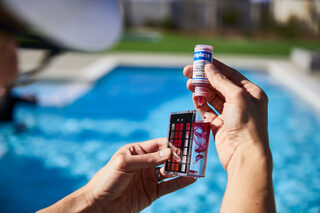
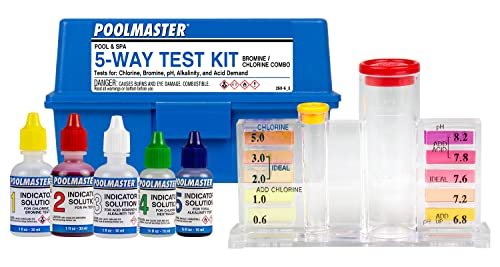
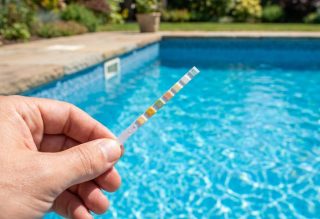
Yes, vinyl pools need calcium hardness maintained between 150-250 ppm to prevent equipment corrosion and water balance issues. This is lower than plaster pools which need 250-350 ppm.
Inground pool costs range from $35,000-$100,000+ depending on size, materials, and features. Concrete pools are most expensive ($50,000-$100,000), vinyl liner pools are mid-range ($35,000-$65,000), and fiberglass pools fall in between ($40,000-$85,000).
Yes, pools can leak due to structural damage, equipment failures, or plumbing issues. Most pools lose 1/4 inch of water daily from evaporation, but losses exceeding 1/2 inch daily typically indicate a leak.
Pool heater lifespans vary by type: gas heaters last 8-12 years, electric resistance heaters 15-20 years, and heat pumps 10-15 years. Proper maintenance and usage patterns significantly impact longevity.
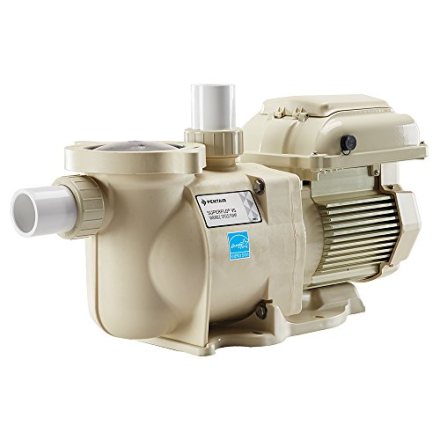
Yes, you likely need a variable speed pump - they're federally mandated for most residential pools as of July 2021 and can reduce energy costs by 50-90% while providing better filtration and equipment longevity.
To increase pool pH, add sodium carbonate (soda ash) for quick pH increases or sodium bicarbonate (baking soda) for gradual increases. Test first, calculate dosage based on pool size, and retest after 4-6 hours.
Pool pH down can technically lower plant soil pH, but it's not recommended due to high chemical concentrations and lack of nutrients. Use garden-specific pH adjusters instead for plant safety.
Pool heaters in Canada typically last 7-15 years depending on the type, with gas heaters averaging 10-12 years and heat pumps lasting 12-15 years. Proper maintenance and winterization can significantly extend their lifespan.
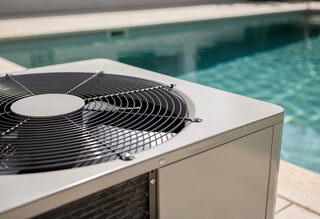
Yes, you can and should cover a pool heater during winter months or when not in use. Use breathable, waterproof covers specifically designed for pool equipment to prevent moisture buildup while protecting from debris and weather.
Variable speed pumps typically run all the time but at different speeds throughout the day, using low speeds for filtration and higher speeds for cleaning. This provides better energy efficiency than single-speed pumps that turn on and off.
Calcium hardness increaser (calcium chloride) doesn't technically expire but can lose effectiveness if exposed to moisture. Properly stored in a cool, dry place, it remains usable for many years.