

How to Increase Pool pH: Step-by-Step Guide with Dosing

What's the best way to raise my pool's pH safely and effectively?
Read full question
The pH in my 20,000 gallon inground pool is stuck at 7.0-7.2 and I know that's way too low. I've heard about using different chemicals to bring it up, but I'm not sure which one to choose or how much to use. Some people mention soda ash while others swear by baking soda - what's the difference between these options?
I want to make sure I'm doing this right since I've never had to adjust pH before. Should I be adding chemicals gradually or can I fix it all at once? Also, how long should I wait before testing again to see if it worked? My pool is crystal clear otherwise, so I just need to get the chemistry balanced properly.
Quick Answer
To increase pool pH, add sodium carbonate (soda ash) to raise pH; use sodium bicarbonate (baking soda) only to raise total alkalinity, since it barely moves pH. Test first, estimate the dose for your pool size with our calculator, and retest after 6-8 hours.
Step-by-Step Guide to Raising Pool pH
- Test Your Current pH Level
Use a reliable test kit like the Taylor K-2006C or digital pH meter to get an accurate reading. Test the water at elbow depth, away from return jets and skimmers. Record your current pH - ideal range is 7.4-7.6. - Calculate Required Chemical Amount
Use our all-in-one pool calculator for a handy reference to calculate the required chemical amount. For sodium carbonate (soda ash): Add 6 oz per 10,000 gallons to raise pH by 0.2 units. Note that baking soda (sodium bicarbonate) is a total-alkalinity raiser, not a real pH increaser — about 1.5 lbs per 10,000 gallons raises TATotal Alkalinity — The buffer that keeps your pH from bouncing around. Get this in range and pH gets a lot easier to manage. learn more → by ~10 ppm while barely nudging pH. To raise pH, use soda ash. Scale the soda-ash amount based on your pool size and desired pH increase. - Choose Your pH Increaser
Soda ash (sodium carbonate) is the actual pH increaser. Baking soda (sodium bicarbonate) mainly raises total alkalinity and only nudges pH slightly, so use it when TA is low — not as a pH fix on its own. If TA is already in range but pH is low, soda ash, borax, or aeration are the right tools. - Prepare for Chemical Addition
Turn on your pool pump and ensure good circulation. Never add chemicals to still water. Put on safety glasses and gloves - both chemicals are caustic and can cause burns. - Add Chemical to Pool Water
Slowly broadcast the chemical over the deep end of the pool while walking around the perimeter. Never dump chemicals in one spot. For large amounts, split the dose and add over 30-60 minutes. - Allow Circulation Time
Let the pump run for at least 4-6 hours to fully distribute the chemicals. Avoid swimming during this time, especially if you've added sodium carbonate which can cause temporary cloudiness. - Retest and Adjust
After 6-8 hours, retest your pH level. If it's still below 7.4, repeat the process with a smaller dose. If you overshoot above 7.8, you'll need to lower pH using muriatic acid. - Monitor Total Alkalinity
Check your total alkalinity (TA) levels, as pH adjustments can affect TA. Target range is 80-120 ppm for regular pools, 60-80 ppm for salt water pools. If TA is too high after raising pH, you may need to lower it separately.
Important Safety Considerations
Never mix chemicals directly together - this can cause dangerous reactions. Always add chemicals to water, never water to chemicals. Store chemicals in a cool, dry place away from children and pets. If you accidentally add too much chemical, dilution with fresh water may be necessary.
When pH Won't Stay Up
If your pH consistently drops shortly after treatment, check these factors:
- Low total alkalinity acts as a pH buffer - raise TA first using sodium bicarbonate
- Heavy bather loads introduce acids that consume pH
- Organic contamination from algae or debris creates acid conditions
- Acidic source water may require regular pH maintenance
- Over-chlorination with trichlor tablets (acidic) will constantly lower pH
Dosing Chart for Different Pool Sizes
For sodium carbonate (quick pH increase):
- 15,000 gallon pool: 9 oz to raise pH by 0.2
- 20,000 gallon pool: 12 oz to raise pH by 0.2
- 25,000 gallon pool: 15 oz to raise pH by 0.2
- 30,000 gallon pool: 18 oz to raise pH by 0.2
For sodium bicarbonate (to raise total alkalinity — it only nudges pH):
- 15,000 gallon pool: 2.25 lbs to raise TA by ~10 ppm
- 20,000 gallon pool: 3.0 lbs to raise TA by ~10 ppm
- 25,000 gallon pool: 3.75 lbs to raise TA by ~10 ppm
- 30,000 gallon pool: 4.5 lbs to raise TA by ~10 ppm
Alternative Methods
Aeration can naturally raise pH by driving off carbon dioxide. Run water features, fountains, or point return jets upward to increase surface agitation. This method is slow but chemical-free. Some pool owners use this technique overnight before adding chemicals.
Liquid sodium carbonate is available and eliminates measuring powder, but costs more than dry chemicals. It's easier to distribute evenly and won't cloud the water as readily as powder forms.
 Taylor K-2006C Complete FAS-DPD Pool & Spa Test Kit
The FAS-DPD kit pool pros trust — reads chlorine accurately even at shock/SLAM levels, plus pH, alkalinity, calcium hardness and CYA. View on Amazon →
Taylor K-2006C Complete FAS-DPD Pool & Spa Test Kit
The FAS-DPD kit pool pros trust — reads chlorine accurately even at shock/SLAM levels, plus pH, alkalinity, calcium hardness and CYA. View on Amazon →
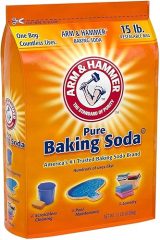 Arm & Hammer Pure Baking Soda (Alkalinity Up)
Raises Total Alkalinity cheaply View on Amazon →
Arm & Hammer Pure Baking Soda (Alkalinity Up)
Raises Total Alkalinity cheaply View on Amazon →
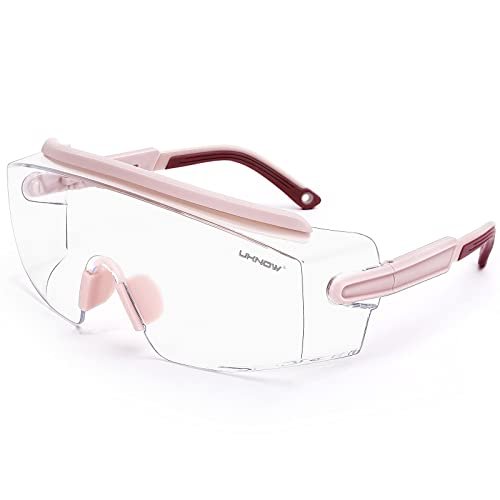 UKNOW Anti-Fog Chemical Splash Safety Goggles
Sealed splash goggles for handling muriatic acid and chlorine. View on Amazon →
UKNOW Anti-Fog Chemical Splash Safety Goggles
Sealed splash goggles for handling muriatic acid and chlorine. View on Amazon →
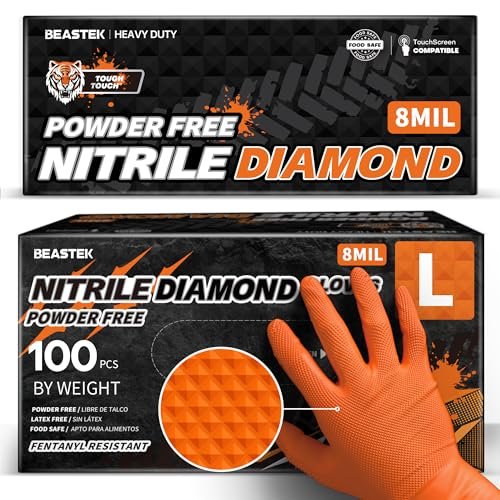 Beastek 8-mil Chemical-Resistant Nitrile Gloves
Disposable nitrile gloves for safe handling of pool chemicals. View on Amazon →
Beastek 8-mil Chemical-Resistant Nitrile Gloves
Disposable nitrile gloves for safe handling of pool chemicals. View on Amazon →
Still need help? Ask a Pool & Spa Expert AD
Get a personalized answer from PoolGuy810 — 30 years owning a pool and spa repair company. Describe your issue and get step-by-step help.
Related Pool Guides
Need More Help?
Try our free pool calculators and tools to help diagnose and fix your pool problems.
Browse Pool ToolsSLAM calculator, pH calculator, salt dosing & more