
Results for "free chlorine"
552+ Answers 2 New Today Free
Maintenance Medium 30 minutes 33

Do I Need to Shock My Pool Weekly? Complete Frequency Guide

You don't necessarily need to shock your pool weekly. Shocking frequency depends on usage, weather conditions, and your free chlorine levels. Most well-maintained pools need shocking every 2-3 weeks or when combined chlorine exceeds 0.5 ppm.

Algae Green Pool Medium 3-7 days 21

How to Fix Green Pool Water Fast - SLAM Method Guide 2024

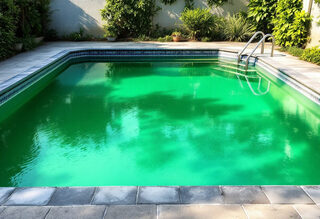
Green pool water can absolutely be fixed using the SLAM method (Shock Level And Maintain). This involves raising free chlorine to shock levels based on your CYA and maintaining that level until the pool clears completely.

Algae Green Pool Medium 3-7 days 21

How to Stop Algae Growing in Your Pool (Complete Guide)

To stop algae growth, immediately raise your free chlorine to shock level based on your CYA (stabilizer) level and maintain it 24/7 until algae is gone. Test chlorine twice daily and brush the pool thoroughly to break up algae colonies.

Maintenance Easy 8-24 hours 21

Can I Swim After Shocking Pool? Safe Swimming Timeline

You can swim after shocking once free chlorine drops to 4 ppm or below, typically 8-24 hours depending on shock type and dosage. Test water before entering and ensure pH is balanced.

Salt Water Medium 2-3 hours 20

Can Salt Water Pool Cause Rash? Quick Solutions & Prevention

Yes, saltwater pools can cause rashes, typically due to improper free chlorine levels, unbalanced pH, or dirty salt chlorine generators creating chloramine buildup. Test and balance your water chemistry first.

Maintenance Medium 45 minutes 19

Pool Chemistry Points System - Water Balance Made Simple

IHG points are hotel rewards, not pool-related. However, pool water balance involves key chemistry points: pH (7.4-7.6), free chlorine based on CYA levels, total alkalinity (80-120), and calcium hardness (250-350 for plaster).

Salt Water Medium 2-4 hours 18

Can Salt Water Pools Cause Diarrhea? Health Risks Explained

Salt water pools can cause diarrhea if the salt cell isn't producing adequate chlorine or if the water is contaminated with harmful bacteria. The solution is maintaining proper free chlorine levels of 1-3 ppm and balanced pH.

Water Chemistry Medium 15 minutes for testing, planning required for solutions 17

Can You Swim in a Pool with High CYA? Safety Guide

You can swim in a pool with high CYA levels as stabilizer itself isn't harmful, but high CYA reduces chlorine effectiveness, making it harder to maintain proper sanitization. The real concern is whether you can maintain adequate free chlorine levels.

Maintenance Medium 2-4 hours initial, 1-3 days total 16

How to Shock Your Pool: Complete Step-by-Step Guide

Pool shocking involves raising free chlorine to 10-12 times your CYA level to eliminate contaminants. Test water first, calculate dosage based on pool size and CYA, then add liquid chlorine in evening for best results.

Maintenance Medium 2-3 hours including testing and monitoring 16

How to Use Pool Shock: Complete Step-by-Step Guide

Pool shocking involves adding liquid chlorine to raise free chlorine to shock level (based on your CYA), circulating for proper distribution, and maintaining that level until water clears. Always shock at dusk or night to prevent sun degradation.

Salt Water Medium 30 minutes 16

Do Salt Water Pools Need Chlorine? Complete Chemistry Guide

Salt water pools absolutely need chlorine to stay clean and safe. The salt water chlorine generator produces chlorine from salt, but you still need to maintain proper free chlorine levels and may need to add liquid chlorine when the generator can't keep up.

Maintenance Medium 2-4 hours 15

Do I Need Pool Shock? When and Why to Shock Your Pool

Pool shock is needed when free chlorine drops below effective levels, after heavy use, storms, or when algae appears. Use liquid chlorine for best results and shock to proper levels based on your CYA.

Maintenance Medium 45 minutes 15

How Pool Shock Works: Complete Chemistry Guide

Pool shock works by rapidly raising chlorine levels to oxidize organic contaminants like sweat, sunscreen, and algae. It breaks down chloramines (combined chlorine) and restores free chlorine sanitization power.

Equipment Medium 8-24 hours wait time, 30-60 minutes vacuuming 15

Can You Vacuum Pool After Shock? Complete Safety Guide

Wait 8-24 hours after shocking before vacuuming your pool, depending on chlorine levels and shock type. Test free chlorine first - it should drop below 5ppm for safe vacuuming.

Water Chemistry Medium 2-6 hours 14

Should You Shock Pool When Chlorine Is Already High?

You typically don't need to shock if free chlorine is genuinely high, but you should test for combined chlorine (chloramines) first. High total chlorine with low free chlorine indicates you need to shock to break down chloramines.

Feedback