
Overwhelmed: Swimming Pool Maintenance
Pool maintenance basics - complete care guide needed
Read full question
Woke up to another green pool this morning even though the manual says daily chlorine testing prevents this and I've been following every instruction perfectly. They're so excited to swim, but I keep worrying about whether I'm doing everything right with the maintenance. PS Disregard the earlier question about Marriott Points - Sorry wrong thread!
Can someone just walk me through the essential steps for proper pool care? I want to make sure I'm covering all the basics to keep the water clean and safe. What are the must-do maintenance tasks I should be focusing on?
Quick Answer
Sorry can't help with Marriott reward points. However, if you're a pool owner looking for maintenance help (and keeping water safe for your kids), here's a complete guide to essential pool care steps.
Step-by-Step Pool Maintenance Guide
If you're here because you actually need help with your swimming pool, here's a comprehensive maintenance routine that will keep your pool crystal clear and safe:
- Test Your Water Chemistry Daily
Use a quality test kit like the Taylor K-2006 to measure:- Free Chlorine (FC): Should match your CYA level using the FC/CYA chart
- pH: Maintain between 7.4-7.6 for optimal comfort and chemical efficiency
- Total Alkalinity (TA): Keep at 80-120 ppm for regular pools, 60-80 for saltwater
- Cyanuric Acid (CYA): Target 30-50 ppm for regular pools, 50-60 for saltwater generators
- Adjust Chlorine Levels Based on CYA
This is crucial for proper sanitation. If your CYA is 50 ppm, maintain FC at 4-5 ppm. The FC/CYA ratio varies at different levels - consult the FC/CYA chart for proper ratios. Use liquid chlorine (sodium hypochlorite) rather than granular shock for regular additions. - Balance pH and Total Alkalinity
Add muriatic acid to lower pH and TA, or sodium carbonate (soda ash) to raise pH. For TA adjustment, use sodium bicarbonate (baking soda) to raise it. Add chemicals slowly according to manufacturer specifications, then retest after 4-6 hours of circulation. - Brush Pool Surfaces Weekly
Use a pool brush appropriate for your surface type:- Plaster pools: Nylon brush
- Vinyl liner: Nylon brush only
- Fiberglass: Soft nylon brush
- Vacuum or Run Automatic Cleaner
Remove debris from the pool bottom at least twice weekly. If using a manual vacuum, vacuum to waste if the water is cloudy to avoid recirculating contaminants through your filter. - Clean Skimmer and Pump Baskets
Empty these weekly or more frequently during heavy debris seasons. Clogged baskets reduce circulation and strain your equipment. - Backwash or Clean Filter
Sand filters: Backwash when pressure rises 8-10 psi above clean pressure
Cartridge filters: Remove and hose off every 2-4 weeks
DE filters: Backwash and add fresh DE when pressure increases - Monitor Calcium Hardness Monthly
Maintain 200-300 ppm for plaster pools, 150-250 for vinyl/fiberglass. Low hardness can damage plaster, while high levels cause scaling. - Shock When Necessary
Use the SLAM method (Shock Level And Maintain) if your pool turns green or cloudy:- Raise FC to shock level based on your CYA
- Maintain this level 24/7 until water clears and Combined Chlorine (CC) reads 0.5 ppm or lower
- Brush daily and run pump continuously
- Use liquid chlorine, not calcium hypochlorite (cal-hypo) shock
- Test and Record Weekly
Keep a log of your readings to identify trends. Test more frequently during hot weather, heavy bather loads, or after storms.
Essential Pool Maintenance Schedule
Daily Tasks
- Test and adjust chlorine and pH
- Empty skimmer baskets
- Check equipment operation
Weekly Tasks
- Brush all pool surfaces
- Vacuum pool bottom
- Test full water chemistry
- Clean pump basket
Monthly Tasks
- Test calcium hardness
- Deep clean filter
- Inspect equipment for wear
- Check pool safety equipment
Common Pool Problems and Solutions
Green or Cloudy Water
Follow the SLAM process immediately. Green water indicates algae growth, which requires sustained high chlorine levels to eliminate. Don't rely on algaecides - proper chlorine levels will handle algae naturally.
High Chlorine Demand
If your pool won't hold chlorine, you likely have organic contamination. Continue adding liquid chlorine until you can maintain a stable FC reading for 8+ hours overnight.
pH Always Rising
Common with saltwater chlorine generators. Lower total alkalinity to 60-80 ppm and use muriatic acid to control pH. Consider adding CO2 injection for automatic pH control.
Safety Reminders
Always add acid to water, never water to acid. Wear safety equipment including goggles and gloves when handling pool chemicals. Store chemicals in a cool, dry place away from each other to prevent dangerous reactions.
Never mix different chemical types, and always allow each chemical addition to circulate fully before adding the next chemical. Wait at least 4-6 hours between chemical additions when possible.
Tools & Supplies You'll Need
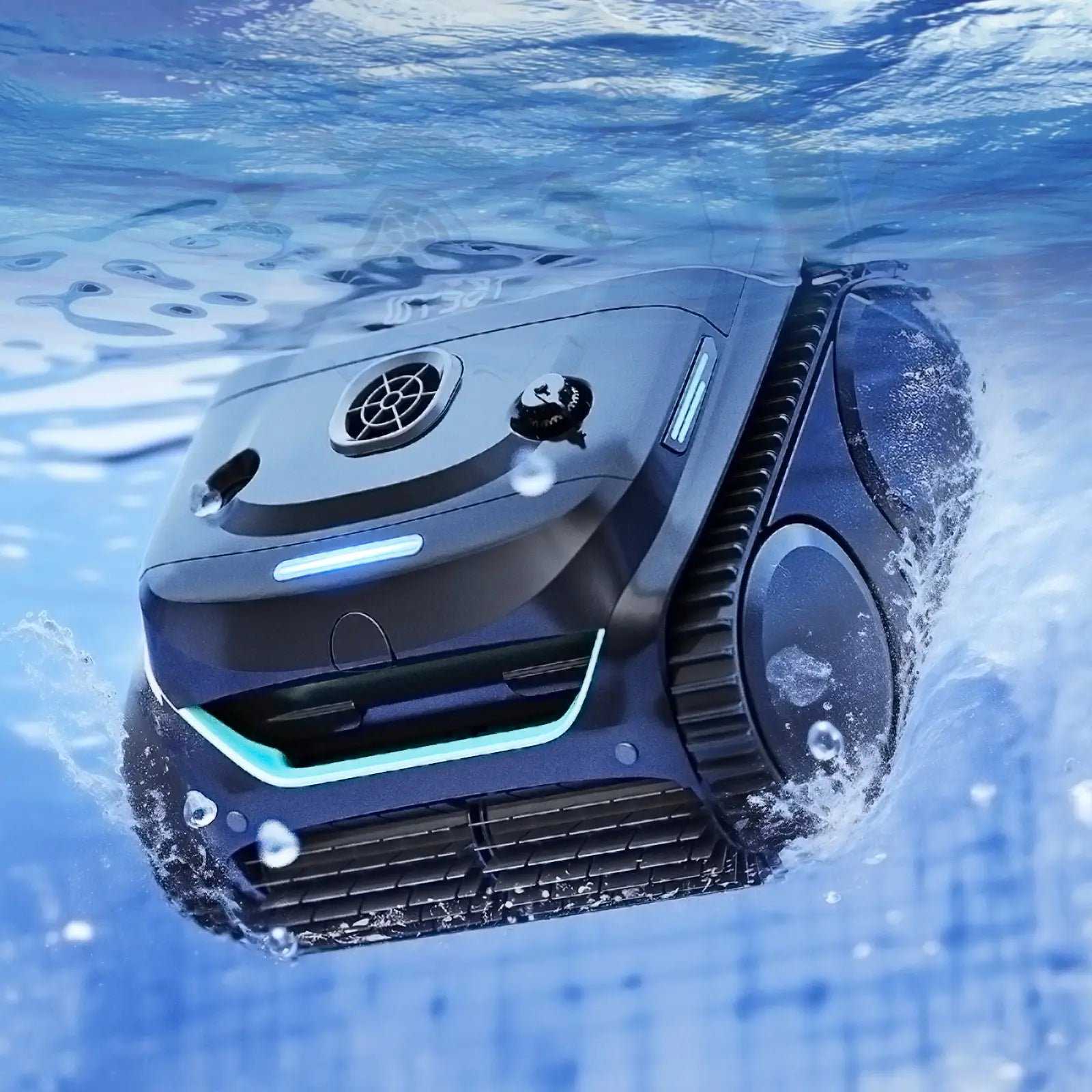

Still need help? Ask a Pool & Spa Expert AD
Get a personalized answer from PoolGuy810 — 30 years owning a pool and spa repair company. Describe your issue and get step-by-step help.
Related Pool Guides
Need More Help?
Try our free pool calculators and tools to help diagnose and fix your pool problems.
Browse Pool ToolsSLAM calculator, pH calculator, salt dosing & more