

How to Know If Your Pool Salt Cell is Working - 7 Easy Tests

What are the key indicators that my salt cell is functioning properly?
Read full question
About to sound totally clueless here, but with my salt levels perfect at 3000-4000 ppm, how do I know my salt cell is actually producing chlorine?
What specific visual and chemical indicators should I be monitoring to determine if the salt cell is generating adequate chlorine output? I'm looking for concrete testing methods and observable signs that will definitively show whether the electrolytic process is functioning correctly or if the cell requires maintenance or replacement.
Quick Answer
Check if your salt cell is working by inspecting for visible bubbles during operation, testing chlorine output, and verifying proper salt levels (most systems want about 2700-3400 ppm). A functioning cell should produce steady bubbles and maintain chlorine without supplemental shocking.
Quick Signs Your Salt Cell is Working
Good news: testing your pool salt cell is solidly DIY territory—no expensive service call needed when these seven simple checks will tell you everything you need to know. If you're constantly adding liquid chlorine or experiencing persistent algae growth despite proper salt levels, your cell may not be working effectively.
Visual Inspection Tests
The Bubble Test
The most immediate way to check salt cell function is the bubble test. Turn off power to the salt system and pump, then remove the cell from its housing. Place the removed cell in a bucket of pool water (salt around 3,000 ppm), reconnect it to the control box, and turn the system on. Note that cells with a flow switch may not generate outside the plumbing. A working cell will produce steady streams of small bubbles from the metal plates within 30-60 seconds. These bubbles indicate the electrolytic process is occurring, converting salt into chlorine.
If you see no bubbles after 2-3 minutes, or only sporadic bubbling, your cell isn't generating chlorine effectively. Heavy bubbling that looks like boiling water typically indicates the cell is working too hard, possibly due to calcium buildup or incorrect salt levels.
Physical Cell Inspection
Turn off power and remove the cell for visual inspection. Look for:
- White calcium scale buildup on metal plates (normal light coating is acceptable)
- Black or dark deposits indicating metal deterioration
- Bent, damaged, or corroded plates
- Loose connections or damaged O-rings
Heavy calcium scaling appears as thick white crusty deposits that block water flow between plates. This prevents proper chlorine generation and requires acid cleaning.
Water Chemistry Testing
Chlorine Generation Test
Test your pool's free chlorine level using a reliable test kit like the Taylor K-2006C. Record the reading, then run your salt system for 4-6 hours without any pool usage. Retest the chlorine level.
A working salt cell should increase free chlorine by 1-3ppm during this test period, depending on your system's output setting and pool size. If chlorine levels remain unchanged or decrease, your cell isn't producing adequate chlorine.
Salt Level Verification
Most salt systems require 2700-3400ppm salt concentration to function properly. Test salt levels with an independent salt test — a reagent drop kit like the Taylor K-1766 salt test is the most accurate, while AquaChek White salt strips or a digital meter are quicker if less precise. When you're diagnosing a cell problem, don't rely on the system's own salt reading alone. Low salt levels (below 2700ppm) will prevent proper chlorine generation, while excessive salt (above 4500ppm) can damage equipment and create harsh water conditions.
If your control unit displays a low salt error but your test kit shows adequate levels, the cell's sensor may be failing or require cleaning.
Electrical and System Diagnostics
Control Panel Indicators
Check your salt system's control panel for error codes or warning lights. Common indicators include:
- "Check Salt" or "Add Salt" warnings
- "Check Cell" or "Service Required" messages
- Flow sensor errors indicating insufficient water circulation
- Temperature lockout warnings in cold weather
Consult your system's manual for specific error code meanings, as they vary between manufacturers like Hayward, Pentair, and Jandy.
Amperage Testing
For advanced troubleshooting, use a clamp-on ammeter to measure electrical current flowing to the cell. A functioning cell amperage varies significantly by manufacturer and cell size - consult your system specifications for normal operating range. Zero amperage indicates electrical failure, while excessive amperage suggests internal cell damage or scaling issues.
Performance Testing Over Time
Weekly Chlorine Tracking
Monitor free chlorine levels 2-3 times per week for several weeks. A properly working salt cell should maintain consistent chlorine levels at the right level for your CYACyanuric Acid (stabilizer) — Sunscreen for your chlorine — it keeps sunlight from burning it off. The catch: the more you have, the more chlorine you need to keep. learn more → (typically 4-8 ppm for a stabilized outdoor pool with CYA 70-80) without manual chlorine additions. For a salt pool, target the minimum FCFree Chlorine — The chlorine actively sanitizing your water right now. This is the number you keep an eye on. how much you need → for your CYA - about 5% of your CYA level (the 7.5% figure is for manually dosed pools), following the FC/CYAFC/CYA chart — The chart that sets your chlorine target from your stabilizer (CYA) level — the two go together. see the chart → relationship.
Document any patterns like dropping chlorine levels mid-week or inability to maintain levels during heavy pool usage. This data helps identify whether the cell is losing capacity or if system settings need adjustment.
Seasonal Performance Changes
Salt cells generate less chlorine in cooler water temperatures (below 60°F) and may shut down completely below 50°F. This is normal operation, not cell failure. However, if chlorine production drops significantly during warm weather (above 75°F), investigate cell condition and salt levels.
Common Cell Problems and Solutions
Calcium Scale Buildup
The most common issue affecting salt cell performance is calcium scaling. Clean cells only when scale is visible, using about a 4:1 water-to-muriatic acid solution (add acid to water). Always add acid to water, never water to acid, and wear protective equipment. Soak the cell for 10-15 minutes until bubbling stops, then rinse thoroughly.
Low Salt Levels
Add pool salt to achieve 3200-3400ppm for optimal performance. For a 20,000-gallon pool, each 40-pound bag of salt raises levels by approximately 240 ppm (varies by salt type and purity). Test and adjust gradually, as it takes 24 hours for salt to fully dissolve and distribute.
Worn Out Cell Plates
Salt cells have finite lifespans, typically 3-7 years or roughly 10,000 operating hours, with well-maintained cells reaching the higher end. Signs of cell failure include inability to generate adequate chlorine despite proper salt levels and clean plates, visible plate deterioration, or persistent electrical errors.
Prevention and Maintenance Tips
Extend salt cell life by maintaining proper water balance: pH 7.4-7.6, total alkalinity 60-80ppm for salt water pools, and CYA 70-80ppm. Higher pH levels accelerate calcium scaling, while low pH promotes corrosion.
Run your pool pump and salt system 8-12 hours daily during swimming season, adjusting output settings based on usage and weather. Clean the cell every 2-3 months or when calcium buildup becomes visible.
Consider installing a sacrificial zinc anode to reduce galvanic corrosion in your pool equipment, which can extend salt cell lifespan significantly.
For the full breakdown of safe chlorine levels by CYA level, see our pool water chemistry guide.
 Taylor K-2006C Complete FAS-DPD Pool & Spa Test Kit
The FAS-DPD kit pool pros trust — reads chlorine accurately even at shock/SLAM levels, plus pH, alkalinity, calcium hardness and CYA. View on Amazon →
Taylor K-2006C Complete FAS-DPD Pool & Spa Test Kit
The FAS-DPD kit pool pros trust — reads chlorine accurately even at shock/SLAM levels, plus pH, alkalinity, calcium hardness and CYA. View on Amazon →
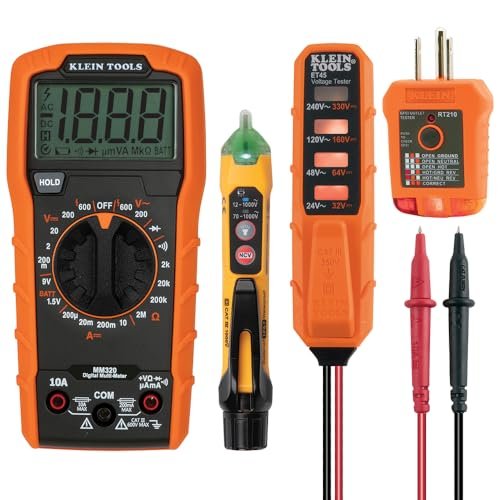 Klein Tools MM320KIT Digital Multimeter Kit
For troubleshooting pump-motor voltage, continuity, and capacitor faults. View on Amazon →
Klein Tools MM320KIT Digital Multimeter Kit
For troubleshooting pump-motor voltage, continuity, and capacitor faults. View on Amazon →
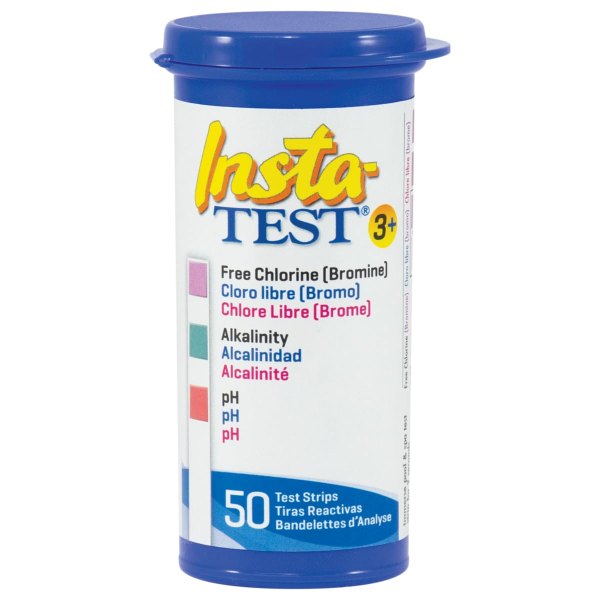 LaMotte Insta-Test 3 Pool Strips (50 ct)
Pro-grade 3-way strips from LaMotte — chlorine, pH & alkalinity, fast and accurate. Top-rated at 4.8★. View on Amazon →
LaMotte Insta-Test 3 Pool Strips (50 ct)
Pro-grade 3-way strips from LaMotte — chlorine, pH & alkalinity, fast and accurate. Top-rated at 4.8★. View on Amazon →
 Acid Blue - Low Fume Muriatic Acid for Swimming Pools & Spas - Lower's pH, Reduces Alkalinity - 2 Gallon
View on Amazon →
Acid Blue - Low Fume Muriatic Acid for Swimming Pools & Spas - Lower's pH, Reduces Alkalinity - 2 Gallon
View on Amazon →
Still need help? Ask a Pool & Spa Expert AD
Get a personalized answer from PoolGuy810 — 30 years owning a pool and spa repair company. Describe your issue and get step-by-step help.
Related Pool Guides
Need More Help?
Try our free pool calculators and tools to help diagnose and fix your pool problems.
Browse Pool ToolsSLAM calculator, pH calculator, salt dosing & more