
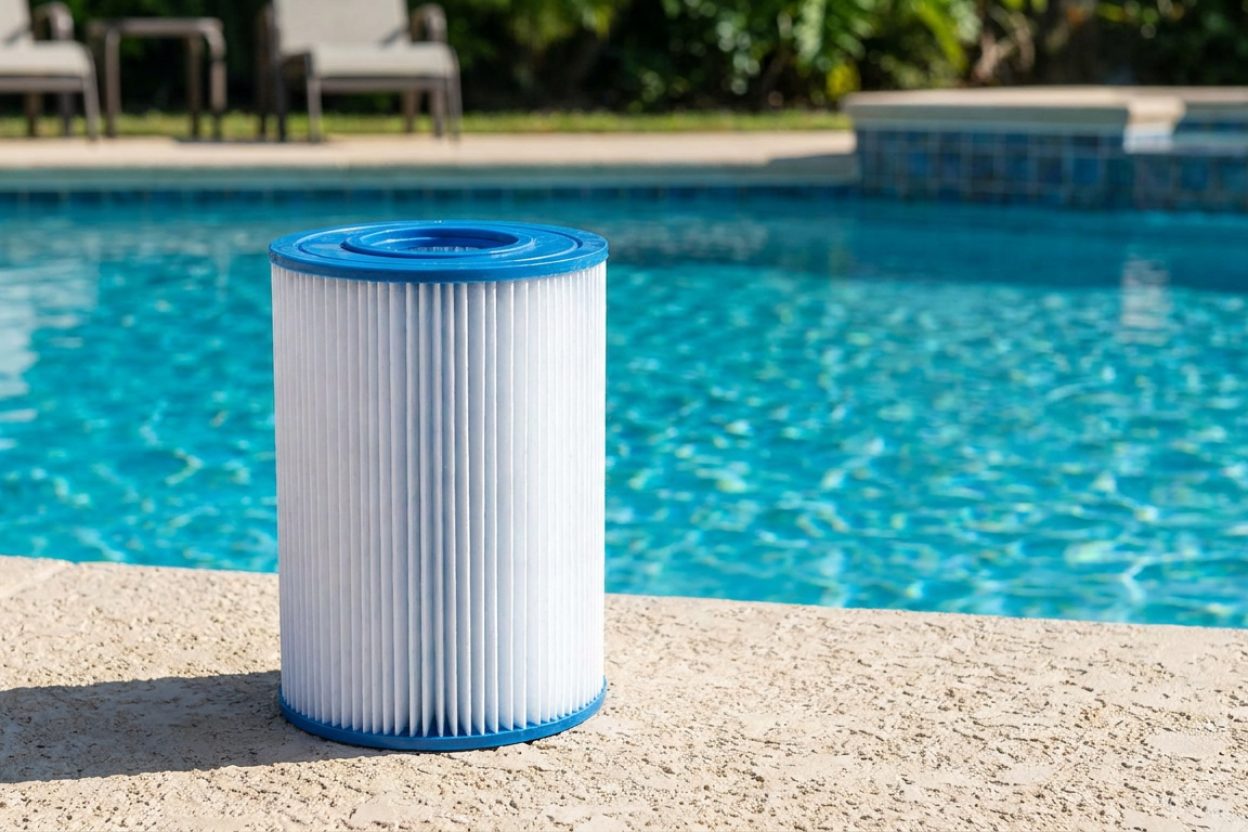
How to Deep Clean a Pool Cartridge Filter

Filter Pressure Keeps Rising — Are My Cartridges Just Greasy?
Read full question
Nobody tells you how fast sunscreen and body oils can clog up a cartridge filter. My pressure gauge has been creeping up steadily, and when I finally pulled the cartridges out, the pleats looked genuinely gunky — not just dusty, but greasy and discolored even after I sprayed them down with the garden hose. A neighbor suggested soaking them in Simple Green since it's a degreaser, but I'm nervous about it foaming up my pool water if I don't rinse it out completely.
My current routine is basically just a garden hose spray-down every few weeks, but clearly that's not cutting through the oils and sunscreen buildup. I want to know the full proper process — the right way to hose them down, whether Simple Green or a dedicated pool filter cleaner is the smarter choice, how to handle mineral scale versus greasy residue differently, and how often a real deep clean should actually happen.
Also, someone in my neighborhood group mentioned using a pressure washer to blast the pleats clean, and now I'm second-guessing everything. What should I absolutely avoid doing, and what's the correct method from start to finish?
Quick Answer
A garden hose rinse alone won't cut through oils and sunscreen — you need a proper soak in a diluted Simple Green solution or a dedicated cartridge cleaner, followed by a thorough rinse until no residue remains. Deep clean every one to three months depending on usage, and always let the cartridge dry completely before reinstalling. Avoid pressure washers, as they can shred the delicate filter pleats.
Why Your Garden Hose Isn't Enough
A quick spray-down works fine for knocking off leaves, dirt, and loose debris — but it does almost nothing against the greasy film left behind by sunscreen, body oils, and lotions. That waxy buildup coats the polyester pleats and traps fine particles, which is exactly why your pressure gauge keeps climbing even after a rinse. To actually restore filter flow, you need a soak that chemically breaks down those oils. The good news: Simple Green works, and so do dedicated pool filter cleaners — as long as you use the right dilution and rinse thoroughly.
For a full walkthrough on how your filter fits into your pool's overall maintenance picture, our pool filter types guide is worth bookmarking.
What You'll Need Before You Start
- Garden hose with an adjustable nozzle (low to moderate pressure setting)
- Simple Green All-Purpose Cleaner or a dedicated cartridge filter cleaning solution
- A large bucket, trash can, or storage bin big enough to fully submerge the cartridge
- A soft-bristle brush (optional, for stubborn spots between pleats)
- White vinegar or a dedicated descaler (for calcium scale — more on this below)
- Replacement O-rings in the correct size for your filter housing
- Silicone-based O-ring lubricant
- Safety glasses and rubber gloves
Step-by-Step: The Right Way to Clean a Cartridge Filter
- Shut everything down safely. Turn off the pump and allow the system to fully depressurize. Open the air relief valve on top of the filter housing — you should hear a hiss of trapped air escaping. Never open a pressurized filter housing.
- Remove the cartridge. Open the filter housing according to your owner's manual (most have a locking band or bolts), then carefully lift the cartridge out. Set it on a clean surface like a patch of grass or a tarp.
- Do a thorough hose rinse first. Using a moderate-pressure nozzle setting — never a pressure washer — spray the pleats from the top down at roughly a 45-degree angle. Rotate the cartridge as you work, letting the water push debris out of the folds rather than deeper into them. This first rinse removes loose grit and preps the surface for the chemical soak to follow.
- Mix your soaking solution. For Simple Green, a common starting point is a light degreasing dilution — roughly 1 part cleaner to 20–30 parts water — but check the current label instructions for guidance, as recommended ratios can vary by formulation. A dedicated pool cartridge cleaner can typically be used per the label instructions. Either choice is safe for polyester filter media when properly diluted and fully rinsed.
- Soak for 1–2 hours (or overnight for heavy buildup). Fully submerge the cartridge in the cleaning solution. The degreaser needs time to penetrate and dissolve the oils and sunscreen residue that have bonded to the pleats. For a really neglected filter, an overnight soak produces noticeably better results.
- Handle calcium scale separately if needed. If you notice white, chalky deposits on the pleats — as opposed to the tan or brown oily staining — that's mineral scale, and a degreaser alone won't remove it. After your degreaser soak and rinse, do a second soak using a diluted white vinegar solution. A common starting point is roughly 1 part white vinegar to 1 part water, though heavier scale may need a stronger solution or a dedicated acid-based cartridge descaler. Follow label instructions for any commercial descaler product. Important: never mix an acid descaler and a degreaser in the same soak. Rinse completely between treatments.
- Rinse, rinse, rinse. After soaking, rinse the cartridge thoroughly with the garden hose until the water running off the pleats is completely clear and suds-free. This step is non-negotiable — any cleaning solution residue left on the cartridge will foam inside your pool and can cause water clarity problems. Spend more time here than you think you need to.
- Inspect before reinstalling. While the cartridge is clean and visible, check the pleated media carefully for tears, holes, or flattened folds. Inspect the end caps for cracks. Look at the O-rings on the housing — if they're cracked, flattened, or brittle, replace them now with the correct part for your model. Apply a thin coat of silicone-based lubricant to any O-rings before reassembly.
- Let it dry completely — or rotate with a spare. A fully dry cartridge reinstalls better and gives you a chance to do a final visual check. Many pool owners keep a second cartridge on hand so one can soak and dry while the other is in service. This is a genuinely good habit, especially during swim season.
- Reinstall and repressurize slowly. Seat the cartridge carefully, reassemble the housing, and restart the pump. Open the air relief valve until water flows steadily, then close it. Note your clean starting pressure — this is your new baseline. When pressure climbs roughly 8–10 psi above that baseline — or whatever threshold your filter manufacturer specifies — it's time to clean again. Check your owner's manual for the exact recommendation for your model.
Simple Green vs. a Dedicated Filter Cleaner — Which Is Better?
Both work. Simple Green All-Purpose Cleaner is biodegradable, low in toxicity, and safe for polyester filter media when diluted correctly. It excels at cutting through oily, greasy residue. A dedicated pool cartridge cleaner (sold at pool supply stores) is formulated specifically for this job and may work slightly faster or handle heavy mineral deposits better depending on the formula. If your main problem is sunscreen and body oil, Simple Green at the right dilution is a perfectly solid choice. If you're dealing with significant calcium scaling, look for a dual-action cartridge cleaner that handles both, or use the two-soak method described above.
The key either way: thorough rinsing. Foam in your pool after a filter change almost always traces back to soap or cleaner residue that wasn't fully rinsed out.
How Often Should You Do a Deep Clean?
As a general guideline, plan for a full chemical soak every one to three months. Heavy bather loads, outdoor pools surrounded by trees, or frequent use of sunscreen and lotions will push you toward the more frequent end of that range. A light hose rinse between deep cleans — every few weeks during peak season — helps extend filter life and keeps pressure from spiking too fast.
Cartridge filter media doesn't last forever. With consistent care, cartridge lifespan varies widely — anywhere from one season to several years depending on bather load, water chemistry, and how often you clean. Performance decline, not calendar time, is the better indicator of when to replace.
What You Should Never Do
- Don't use a pressure washer. The high-pressure stream tears and crushes the delicate polyester pleats, permanently reducing filtration efficiency. A garden hose at moderate pressure is the right tool.
- Avoid bleach or chlorine-based cleaners for routine cleaning — they can degrade the polyester media and end caps with repeated use and don't effectively address the oily buildup that's the core problem. A dedicated degreaser is the better tool for regular maintenance.
- Don't reinstall a wet cartridge if you can avoid it. A damp filter can develop mold or mildew and may not seat as cleanly in the housing.
- Don't mix acid-based descalers with degreasers in the same soaking solution — always rinse completely between the two treatments.
- Don't ignore O-ring condition. A cracked or improperly lubricated O-ring causes leaks and air ingestion that can damage your pump.
Keeping your filter clean is one of the highest-leverage maintenance tasks you can do. A well-maintained cartridge filter keeps your water clearer, reduces the chemical demand on your pool, and extends the life of your pump. For a broader look at water balance and how filtration ties into overall pool chemistry, our pool water chemistry guide covers all the fundamentals in one place.
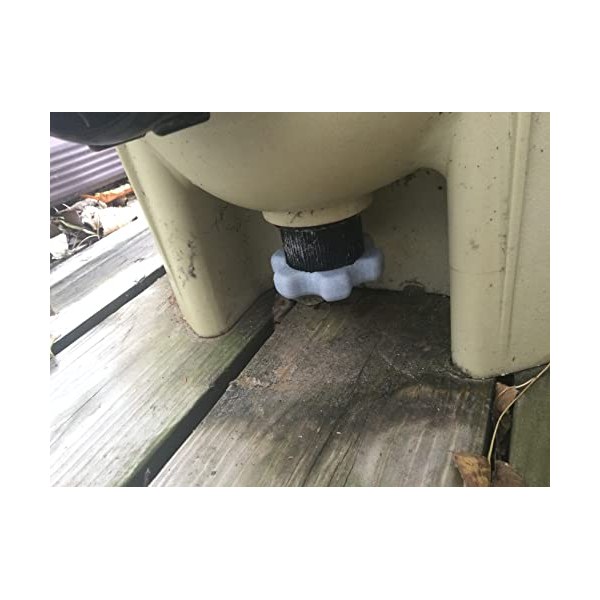 Filter Drain Plug Wrench (Pentair Clean & Clear/FNS)
Grips the drain plug on Pentair Clean & Clear and FNS filters. View on Amazon →
Filter Drain Plug Wrench (Pentair Clean & Clear/FNS)
Grips the drain plug on Pentair Clean & Clear and FNS filters. View on Amazon →
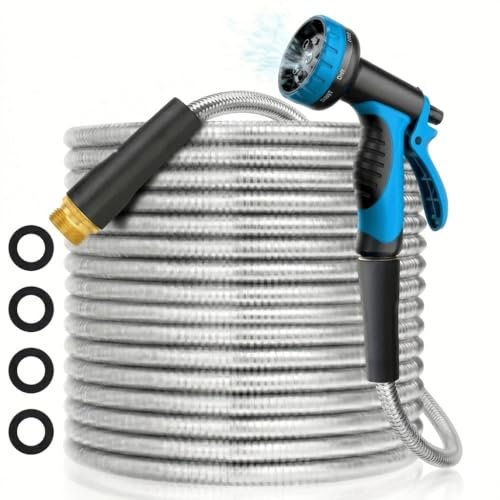 50 ft Flexible Metal Garden Hose (Kink-Free)
Durable hose for filling, priming, and rinsing equipment. View on Amazon →
50 ft Flexible Metal Garden Hose (Kink-Free)
Durable hose for filling, priming, and rinsing equipment. View on Amazon →
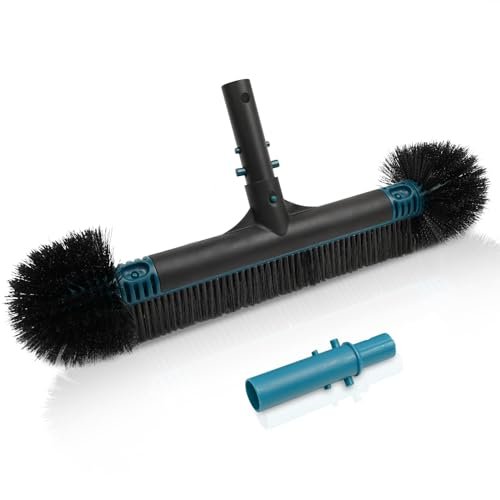 Poolvio 20" 2-in-1 Pool Brush Head (Walls & Floor)
Sturdy 20-inch brush head that clips onto any standard telescopic pole. View on Amazon →
Poolvio 20" 2-in-1 Pool Brush Head (Walls & Floor)
Sturdy 20-inch brush head that clips onto any standard telescopic pole. View on Amazon →
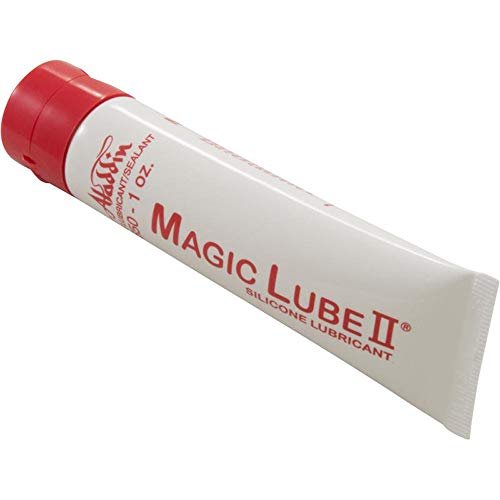 Aladdin Magic Lube II — Pool O-Ring & Gasket Silicone Lubricant (1 oz)
Waterproof silicone lube that keeps pump-lid and valve O-rings sealed and pliable — the usual cure for lost prime. View on Amazon →
Aladdin Magic Lube II — Pool O-Ring & Gasket Silicone Lubricant (1 oz)
Waterproof silicone lube that keeps pump-lid and valve O-rings sealed and pliable — the usual cure for lost prime. View on Amazon →
Still need help? Ask a Pool & Spa Expert AD
Get a personalized answer from PoolGuy810 — 30 years owning a pool and spa repair company. Describe your issue and get step-by-step help.
Related Pool Guides
Need More Help?
Try our free pool calculators and tools to help diagnose and fix your pool problems.
Browse Pool ToolsSLAM calculator, pH calculator, salt dosing & more