
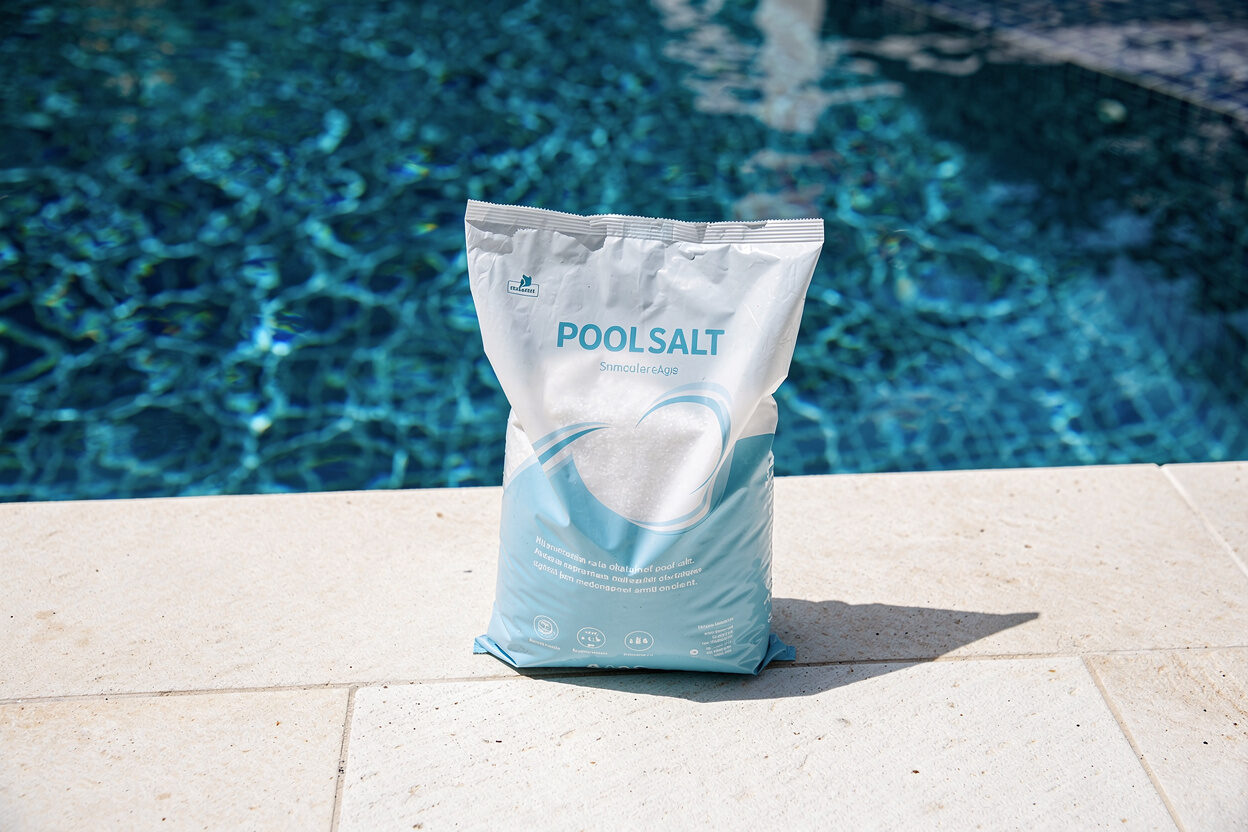
How Pool Salt Cells Work: Complete Guide to Salt Water Generation

How does electrolysis work in salt water pool systems?
Read full question
Wondering why my salt cell's red blinking light contradicts what the pool store tech said about it still producing chlorine normally? What actually happens when electricity hits the salt water? How do the titanium plates convert salt into chlorine?
Looking for the technical process - not just 'it makes chlorine' but the actual chemical breakdown and how the sanitizer gets produced automatically.
Quick Answer
Salt cells use electrolysis to convert dissolved salt into chlorine gas, which dissolves into water as free chlorine. The cell contains titanium plates that receive electrical current, splitting salt molecules to produce sanitizer automatically.
About that red blinking light: an indicator or warning light isn't the same as "chlorine production has stopped." Most lights are advisory — low salt, "inspect cell," low water temperature, or an aging cell nearing end of life — and many systems keep generating chlorine while the light is on. So a blinking light and a tech telling you "it's still producing normally" aren't necessarily a contradiction. Look up the specific code in your manual to see what it's flagging, then confirm with a test kit that your free chlorine is actually holding where it should — the FCFree Chlorine — The chlorine actively sanitizing your water right now. This is the number you keep an eye on. how much you need → reading is the real proof of whether the cell is doing its job.
The Science Behind Salt Cell Operation
Salt water chlorine generators operate on a simple but effective scientific principle. When salt dissolves in water, it creates sodium and chloride ions. The salt cell applies electrical current to titanium plates, creating an electrolytic reaction that transforms these ions into chlorine gas, sodium hydroxide, and hydrogen gas.
The chemical equation is: 2NaCl + 2H₂O → Cl₂ + H₂ + 2NaOH
The chlorine gas immediately dissolves into the water, forming hypochlorous acid (HOCl) - the same active sanitizer produced by liquid chlorine or tablets. This process happens continuously as water flows through the cell, maintaining consistent chlorine levels automatically.
Salt Cell Components and Design
Titanium Electrode Plates
The heart of any salt cell consists of titanium plates coated with precious metals like ruthenium or iridium. These plates serve as electrodes - one positive (anode) and one negative (cathode). The coating allows the plates to conduct electricity efficiently while resisting corrosion from the harsh chlorine environment.
Cell Housing
The plates are housed in a clear or translucent chamber that allows you to inspect the plates for calcium buildup or damage. Most cells have unions on both ends for easy removal during maintenance or replacement.
Control Board
The control board regulates electrical output to the cell based on your chlorine production settings. It also monitors cell condition, water flow, and salt levels, displaying error codes when problems occur.
Step-by-Step Operation Process
- Water enters the cell: Pool water with dissolved salt flows through the cell housing during normal circulation
- Electrical activation: The control board sends low-voltage DC current to the titanium plates when the pump is running
- Electrolysis occurs: Dissolved salt is already separated into sodium and chloride ions, and the current draws chloride ions toward the positive plate
- Chlorine formation: At the positive plate, chloride ions release electrons and form chlorine, which dissolves into the water as sanitizer; at the negative plate, water is reduced to hydrogen gas and hydroxide ions while the sodium stays dissolved (forming a little sodium hydroxide, which is offset by the acidic chlorine made at the other plate)
- Immediate dissolution: Chlorine gas dissolves instantly into the water, creating hypochlorous acid
- pH rise: pH tends to climb over time—mainly from the cell's hydrogen bubbles aerating the water and driving off CO2, not from the hydroxide itself (which the acidic chlorine offsets)
- Continuous cycling: This process repeats continuously while the pump runs and the cell receives power
Optimal Operating Conditions
Salt Level Requirements
Most salt cells require 2,700-3,400 ppm of salt to operate effectively, though you should consult your specific model's manual for exact requirements. Too little salt reduces chlorine production efficiency, while excessive salt can damage the cell or create scaling issues. Use our salt pool dosing calculator to determine how much salt to add for your pool size.
Water Chemistry Balance
Proper water chemistry is crucial for salt cell longevity and performance. Target ranges typically include pH 7.2-7.6, total alkalinity 60-80 ppm, and stabilizer (CYACyanuric Acid (stabilizer) — Sunscreen for your chlorine — it keeps sunlight from burning it off. The catch: the more you have, the more chlorine you need to keep. learn more →) 70-80 ppm, though you should verify with your manufacturer's recommendations. High calcium levels can cause scaling on the plates, reducing efficiency and requiring more frequent cleaning.
Flow Rate and Runtime
Salt cells need adequate water flow to operate properly - typically 20-30 gallons per minute minimum, though you should consult your system's manual for exact flow requirements. The cell only produces chlorine when water flows through it, so longer pump runtime generally means more chlorine production.
Production Rate and Efficiency
Salt cells don't produce chlorine at a constant rate. Production depends on several factors including salt concentration, water temperature, cell age, and power output setting. Warmer water increases production efficiency, while colder water slows the electrolytic process.
Salt cell chlorine production varies significantly based on model and conditions - consult your manufacturer's specifications for production rates, though most pools operate at 50-80% capacity to maintain proper chlorine levels without over-production.
Self-Cleaning Function
Modern salt cells include reverse polarity cleaning cycles that help prevent calcium scale buildup. Every few hours of operation, the cell automatically reverses the electrical polarity, causing any calcium deposits to dissolve back into the water. This extends cell life and maintains production efficiency.
Common Operating Issues
Low Salt Indication
When salt levels drop below the minimum threshold, the cell reduces or stops chlorine production to prevent damage. Adding salt according to manufacturer specifications typically resolves this issue.
Calcium Scale Buildup
White, flaky deposits on the plates indicate calcium scaling, which reduces chlorine production. This often occurs when calcium hardness or pH runs too high for extended periods.
Cell Degradation
Over time, the precious metal coating on the plates wears away, reducing production capacity. Cell lifespan varies significantly depending on usage and maintenance - consult your manufacturer's warranty and specifications for expected lifespan.
Maintenance Requirements
Salt cells require periodic inspection and cleaning to maintain optimal performance. Check the plates monthly for calcium buildup or damage. Clean scaled plates only when needed using a diluted muriatic acid solution of about 1 part acid to 4 parts water (always add acid to water) only if you're comfortable handling pool chemicals - always wear proper safety equipment including gloves and eye protection, work in ventilated areas, and follow all manufacturer safety guidelines, or consult a pool professional for assistance.
Monitor chlorine production regularly and adjust output settings as needed. For comprehensive salt water pool maintenance guidance, refer to our complete salt water pool guide.
Always test your water before making chemical adjustments. Consult product labels and manufacturer specifications for dosing estimates and operational requirements.
For the full breakdown of safe chlorine levels by CYA level, see our pool water chemistry guide.
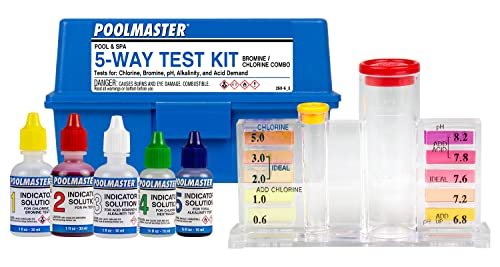
 Taylor K-2006C Complete FAS-DPD Pool & Spa Test Kit
The FAS-DPD kit pool pros trust — reads chlorine accurately even at shock/SLAM levels, plus pH, alkalinity, calcium hardness and CYA. View on Amazon →
Taylor K-2006C Complete FAS-DPD Pool & Spa Test Kit
The FAS-DPD kit pool pros trust — reads chlorine accurately even at shock/SLAM levels, plus pH, alkalinity, calcium hardness and CYA. View on Amazon →
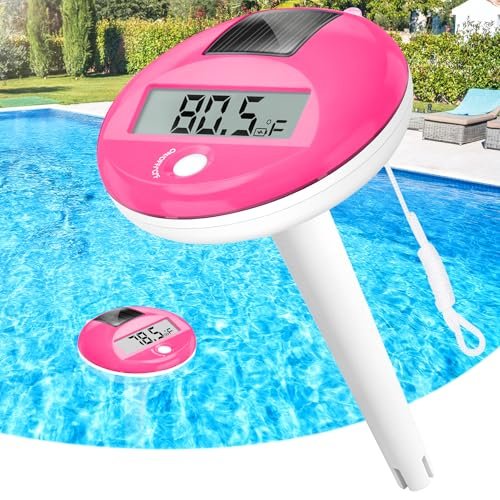 LuxBlue Floating Pool Thermometer, Solar, Large LCD
Easy-read floating thermometer for pool water temperature. View on Amazon →
LuxBlue Floating Pool Thermometer, Solar, Large LCD
Easy-read floating thermometer for pool water temperature. View on Amazon →
Still need help? Ask a Pool & Spa Expert AD
Get a personalized answer from PoolGuy810 — 30 years owning a pool and spa repair company. Describe your issue and get step-by-step help.
Related Pool Guides
Need More Help?
Try our free pool calculators and tools to help diagnose and fix your pool problems.
Browse Pool ToolsSLAM calculator, pH calculator, salt dosing & more