
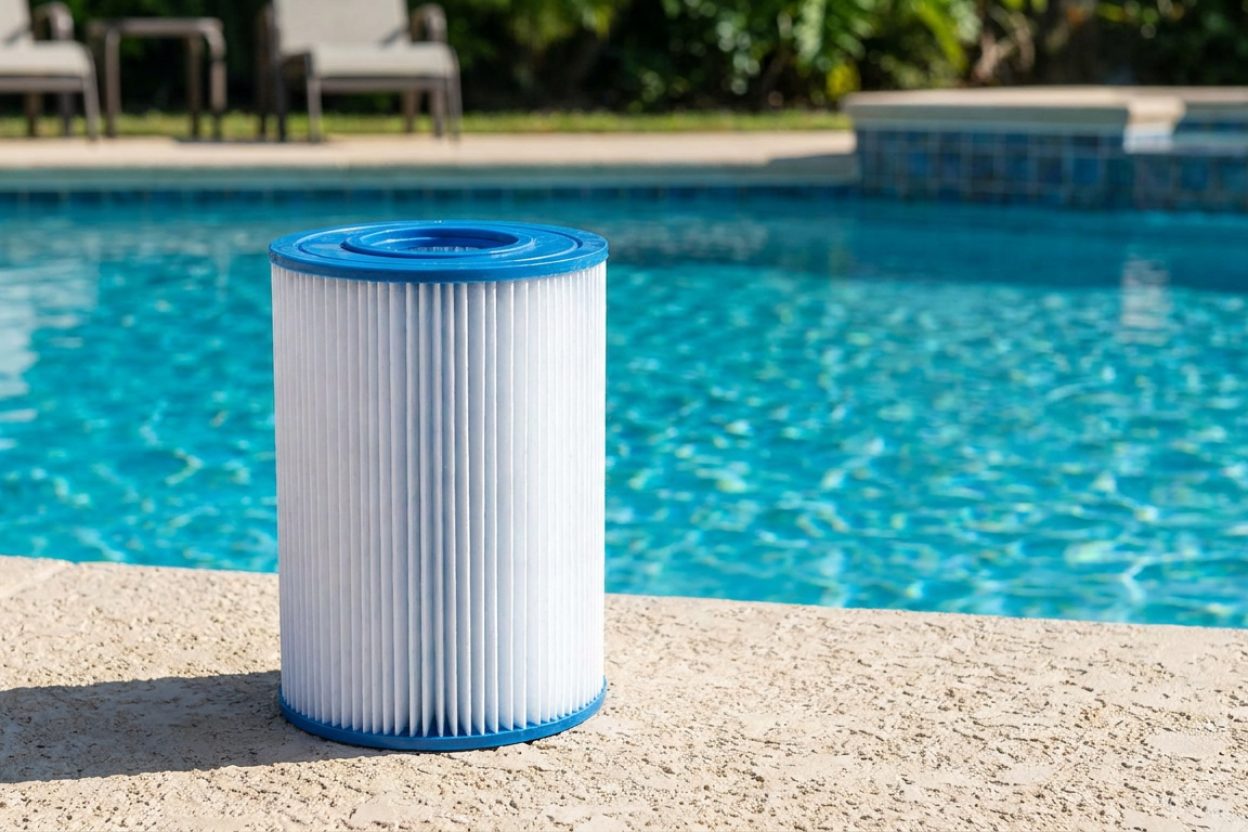
How Often to Clean a Pool Cartridge Filter

How Often Should I Actually Clean My Pool Cartridge Filter?
Read full question
Looked all over for a straight answer on this and got a completely different response from everyone I asked. My neighbor, who's had a pool for twenty years, told me once a season is plenty. The pool store said every month without fail. Then a YouTube video I watched had the guy pulling his cartridge out every single week like it was a religious ritual. I have a standard in-ground pool that gets moderate use — the kids swim most afternoons in summer but it's not like we're hosting swim meets.
The pressure gauge on my filter is sitting around where it normally runs, so it's not screaming at me to do anything urgent. But with conflicting advice coming from every direction, I genuinely don't know if I'm already overdue or totally fine. Is there a reliable method for figuring this out, or is it just one of those things where you have to learn your own pool?
Quick Answer
During active swimming season, plan to rinse your cartridge filter every 2–4 weeks and do a thorough deep clean every 3–6 months — but your pressure gauge is the most reliable signal. When it reads about 8 psi above its normal baseline, clean the filter regardless of the calendar. Heavy use or lots of debris can push that schedule significantly earlier.
Why Everyone Gives You a Different Number
The reason you get conflicting advice is that no two pool setups are identical. There isn't one perfect schedule that works for every cartridge filter. The correct frequency is dictated by the conditions of your specific pool. By understanding the main signals, you can stop relying on guesswork from others.
A common point of misunderstanding is failing to separate two distinct maintenance tasks: routine rinsing and deep cleaning. These serve different functions and follow their own timelines.
The Pressure Gauge Is Your Most Reliable Signal
Always consult your equipment's pressure gauge first, not the calendar. Note the pressure right after a thorough cleaning when the system is running normally; this number is your clean baseline. Plan to clean when the gauge shows an increase of approximately 8–10 psi above that baseline — verify the exact range in your filter's manual. This rule holds true regardless of how many days or weeks have gone by. Events like a lot of swimming, rainstorms, an algae bloom, or hot weather that increases oils and sunscreen in the water can cause a cartridge to become clogged more quickly.
This pressure-based method is reliable for any pool, filter model, or pattern of use. If you tend to forget your baseline pressure, write it down on a label and keep it near your equipment pad.
A Seasonal Rhythm That Actually Makes Sense
Peak Swimming Season (Summer)
During periods of frequent pool use, a good general rule is to perform a garden hose rinse every 2–4 weeks under average conditions. Households with many swimmers, regular gatherings, or lots of environmental debris may need to rinse every two weeks or even more frequently. Removing the cartridge does require opening the filter housing, but you do not need to disassemble the cartridge element itself.
Opening the Housing: Steps and Tools
First, turn the pump off and then release all pressure. Open the air relief valve on the filter's top and wait until the hissing stops and the gauge reads zero. A filter housing under pressure can violently eject its lid — never skip this safety step.
Proceed as follows:
- Release the clamp. Most cartridge filters use a band clamp secured by a single bolt, or a threaded locking ring you turn by hand. The bolt typically requires a 1/2" or 9/16" socket wrench or nut driver.
- Lift the lid straight up and place it on a clean surface. Observe how the cartridge is positioned before removing it so you can return it correctly.
- Lift the cartridge out and spray it thoroughly with a hose from top to bottom, directing water between each pleat where debris accumulates.
- Inspect the housing O-ring before reassembling. If it feels dry or appears flattened, clean it and apply a silicone-based lubricant — never use petroleum-based products, which can damage the rubber.
Helpful tools to have ready: a socket wrench or nut driver for the clamp bolt, a garden hose with an effective spray nozzle (a specialized filter-cleaning wand significantly speeds up pleat cleaning), a bucket for soaking if needed, and silicone lubricant for the O-ring.
A Faster Rinse Many Techs Use
Water from a hose clears away debris but does little against the body oils and sunscreen that can coat a cartridge. Many service technicians keep a spray bottle of Simple Green handy, applying it to wet pleats before rinsing — this breaks down the oily film without needing a long soak. Whatever degreaser you use, rinse the element until the water runs completely clear before reinstalling; any residual cleaner will cause foaming in the pool once circulation resumes.
A full deep clean — soaking the cartridge in a filter-cleaning solution — should be performed every 3–6 months during the swim season. This process removes the oils, sunscreen, and microscopic contaminants that a hose cannot, restoring the filter's full efficiency even when it appears clean.
Off-Season and Low-Use Periods
When the filter runs during winter or other inactive times, a monthly rinse is usually enough. One deep clean at either the start or end of the season is typically sufficient. However, as a general rule, do not let more than six months pass without a cleaning, even during low-use periods. Buildup that remains for too long can become hard to remove and may shorten the cartridge's overall service life. Always refer to your filter manufacturer's instructions for their recommended maximum interval.
High-Stress Situations That Push the Schedule Earlier
- After a pool party or heavy-use weekend — High bather load introduces extra oils and organic material.
- Following a storm — Dirt, pollen, and debris can rapidly accumulate.
- During algae treatment — Dead algae cells quickly clog the filter media; monitor pressure frequently during and after a SLAM.
- Spring opening — Always perform a deep clean on a cartridge that has been idle before starting the new season.
The Difference Between Rinsing and Deep Cleaning
Grasping this distinction is essential. A garden hose rinse is routine maintenance. It clears larger debris and helps control the pressure gauge reading from week to week. A deep clean with a filter-cleaning solution is a restorative procedure. It tackles the invisible accumulation of oils, minerals, and fine particles that gather over several months and which rinsing cannot remove.
For a deep clean, you will need a dedicated cartridge filter cleaning solution (available at pool supply stores), a bucket large enough to fully submerge the cartridge, and a soft brush. Soak the cartridge according to the product's directions, rinse it completely afterward, and allow it to dry fully if you have a spare to install. Some owners briefly run a freshly cleaned cartridge before storing it, but the critical step is ensuring it is completely dry before storage to prevent mildew.
For a full comparison of cartridge filters to sand and DE types, consider reading the pool filter types guide if you are thinking about an upgrade.
When Cleaning Stops Working
Cartridge filter elements have a finite lifespan. If you are cleaning on schedule but pressure rises quickly, or if the pleats look frayed, torn, or stay discolored after a deep clean, the cartridge probably needs to be replaced. Most cartridges have a variable service life affected by cleaning practices, water chemistry, and pool usage; consistent cleaning is one of the most effective ways to extend it.
Proper water chemistry is also crucial. Imbalanced water — particularly high calcium hardness or consistently high pH — can lead to mineral scaling on the filter media. This can reduce cleaning effectiveness and shorten the cartridge's life. Maintaining balanced water chemistry offers the best protection. If it has been a while, test your water. Our pool water chemistry guide explains what to test and why it matters for your equipment's longevity, not just for swimmer comfort.
Tools You'll Want on Hand
- Garden hose with a spray nozzle (a fan or comb nozzle is ideal for pleats)
- Cartridge filter cleaning solution
- A large plastic bucket or a specialized cartridge cleaning wand
- Soft-bristled brush for scrubbing pleats
- Waterproof marker or sticky note to record your clean baseline pressure
In summary: your pressure gauge offers more precise guidance than any person or calendar. Establish your baseline, check it regularly, and let the pressure reading determine when to clean. Pair this with a seasonal deep-cleaning routine, and you will have a clearer, more effective maintenance strategy than any fixed schedule can provide.
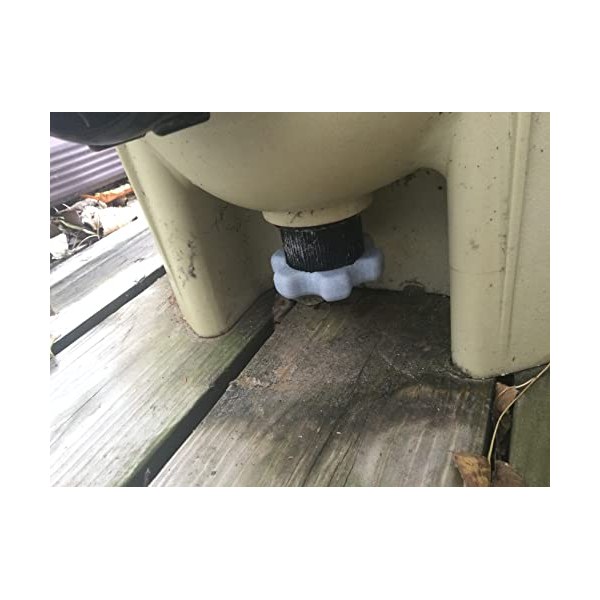 Filter Drain Plug Wrench (Pentair Clean & Clear/FNS)
Grips the drain plug on Pentair Clean & Clear and FNS filters. View on Amazon →
Filter Drain Plug Wrench (Pentair Clean & Clear/FNS)
Grips the drain plug on Pentair Clean & Clear and FNS filters. View on Amazon →
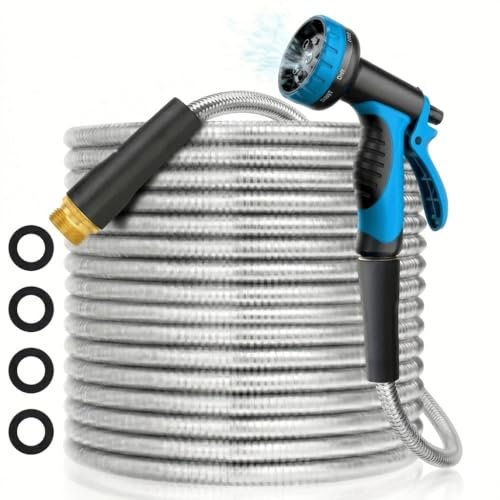 50 ft Flexible Metal Garden Hose (Kink-Free)
Durable hose for filling, priming, and rinsing equipment. View on Amazon →
50 ft Flexible Metal Garden Hose (Kink-Free)
Durable hose for filling, priming, and rinsing equipment. View on Amazon →
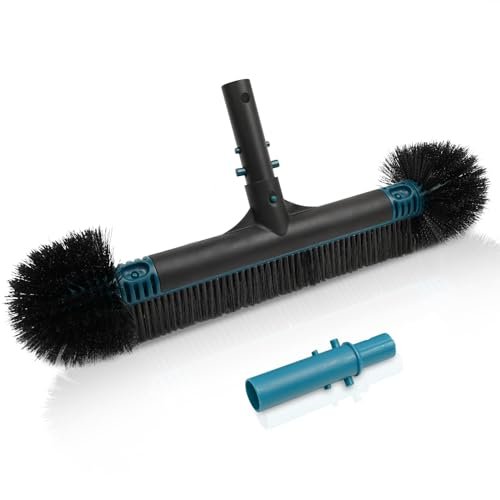 Poolvio 20" 2-in-1 Pool Brush Head (Walls & Floor)
Sturdy 20-inch brush head that clips onto any standard telescopic pole. View on Amazon →
Poolvio 20" 2-in-1 Pool Brush Head (Walls & Floor)
Sturdy 20-inch brush head that clips onto any standard telescopic pole. View on Amazon →
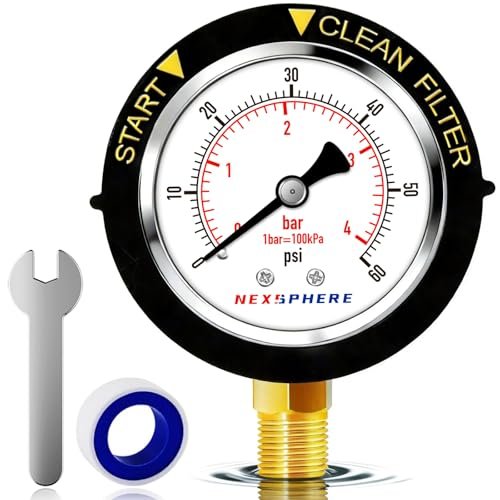 NexSphere Pool Filter Pressure Gauge, 0–60 PSI, 2 in Dial
Replacement back-mount gauge so you can read filter pressure and know when to backwash. View on Amazon →
NexSphere Pool Filter Pressure Gauge, 0–60 PSI, 2 in Dial
Replacement back-mount gauge so you can read filter pressure and know when to backwash. View on Amazon →
Still need help? Ask a Pool & Spa Expert AD
Get a personalized answer from PoolGuy810 — 30 years owning a pool and spa repair company. Describe your issue and get step-by-step help.
Related Pool Guides
Need More Help?
Try our free pool calculators and tools to help diagnose and fix your pool problems.
Browse Pool ToolsSLAM calculator, pH calculator, salt dosing & more