
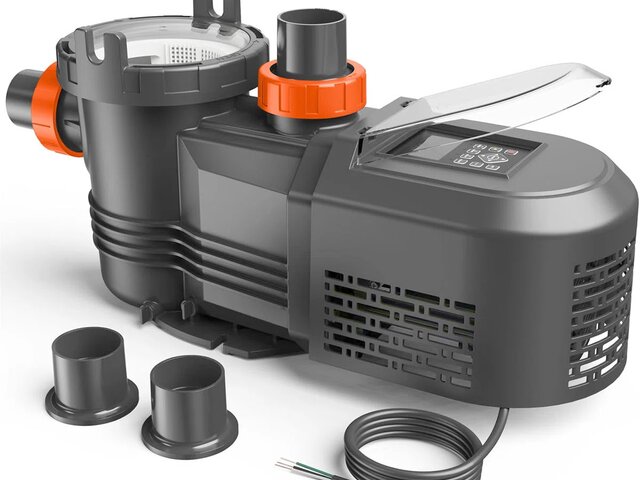
How Long Should a Pool Pump Last? Lifespan & Replacement Guide

When should I start planning to replace my pool pump?
Read full question
Got a weird grinding noise from my pool pump last month but now it's barely pushing any water through the system!
My current pump is about 6 years old and still running fine, but I'm wondering when I should start budgeting for a replacement.
I've heard different things from pool store guys - some say 5-6 years, others say they can go way longer. Mine's been pretty reliable so far, but I'd rather not get caught off guard. Are there any warning signs I should watch for that mean it's time to start shopping around? And does it matter if I upgrade to one of those variable speed pumps everyone talks about?
Quick Answer
Pool pumps typically last 8-12 years with proper maintenance, though single-speed pumps typically last 8-12 years while variable-speed pumps can run 10-15 years. Signs of pump failure include unusual noises, reduced flow, and frequent motor shutdowns.
First, Let's Diagnose Your Pump's Current Condition
Before determining if your pump needs replacement, evaluate its current performance. A pump showing early warning signs may still have months or years of life left with proper maintenance, while severe symptoms indicate immediate replacement needs.
Signs Your Pump Is Aging Normally
- Slight increase in operating noise over time
- Occasional need for priming after extended shutdown
- Minor vibration during startup that settles quickly
- Gradual decrease in flow rate over several seasons
Warning Signs of Impending Failure
- Loud grinding, squealing, or rattling noises during operation
- Frequent loss of prime requiring manual intervention
- Motor running hot or shutting down on thermal overload
- Significant reduction in water flow despite clean filter
- Visible leaks from pump housing or motor shaft
- Tripping circuit breakers or electrical issues
Factors Affecting Pool Pump Lifespan
Pump Type and Quality
Single-Speed Pumps: These workhorses typically last 8-12 years, and often longer with good maintenance. Brands like Pentair WhisperFlo and Hayward Super Pump are known for reliability, often reaching the upper end of this range with proper care.
Variable-Speed Pumps: More sophisticated models like the Pentair IntelliFlo or Hayward MaxFlo typically last 10-15 years — and because the wet end, bearings, seals and even the motor are rebuildable, a well-maintained unit often runs 15-20+ years. A 10-year-old IntelliFlo is usually a rebuild candidate, not a throwaway. Their ability to run at lower speeds reduces motor stress and extends component life significantly.
Two-Speed Pumps: These fall between single and variable-speed pumps, typically lasting 8-10 years when the low-speed setting is used regularly.
Usage Patterns
Pumps running 24/7 will wear faster than those on proper timer schedules. Most pools only need 6-8 hours of circulation daily, depending on bather load and environmental factors. Pumps that cycle on and off frequently experience more wear than those running continuous longer periods.
Environmental Conditions
Harsh environments significantly impact pump longevity. Factors include:
- High temperatures accelerating motor wear and seal deterioration
- Coastal areas with salt air corroding electrical components
- Areas with frequent power fluctuations stressing motor windings
- Extreme cold causing freeze damage if not properly winterized
- High debris loads requiring frequent cleaning cycles
Extending Your Pool Pump's Lifespan
Regular Maintenance Schedule
Weekly Tasks: Clean skimmer and pump baskets to maintain proper flow. Clogged baskets force the pump to work harder, reducing lifespan.
Monthly Tasks: Inspect pump for leaks, unusual noises, or vibration. Check that the pump is properly primed and maintaining good flow rates.
Seasonal Tasks: Check motor bearings - only lubricate if your model has grease fittings. Most modern pumps have sealed bearings that require no lubrication, but some older models benefit from annual lubrication.
Proper Chemical Balance
Maintaining proper water chemistry protects pump seals and impellers. Target ranges:
- pH: 7.4-7.6 to prevent corrosion (acceptable 7.2-7.8)
- Total Alkalinity: 80-120 ppm for chemical stability
- Calcium Hardness: 175-225 ppm for vinyl/fiberglass pools, 250-350 ppm for plaster/concrete pools
- Free Chlorine: 4-6 ppm for CYACyanuric Acid (stabilizer) — Sunscreen for your chlorine — it keeps sunlight from burning it off. The catch: the more you have, the more chlorine you need to keep. learn more → 30-50, 6-8 ppm for CYA 60-80 based on CYA levels
Warning: Acidic water (low pH) rapidly degrades pump seals and metal components, while high pH causes scaling that damages impellers.
Electrical Protection
Install a surge protector designed for pool equipment to protect against power spikes. Voltage fluctuations are a leading cause of premature motor failure, especially in areas with unstable power grids.
When to Replace vs. Repair
Repair Makes Sense When:
- Pump is less than 5 years old
- Only minor components need replacement (seals, gaskets)
- Motor runs smoothly without electrical issues
- Repair cost is less than 50% of replacement cost
Replacement Is Better When:
- Pump is over 8 years old with major problems
- Motor failure requiring complete rewinding
- Multiple components failing simultaneously
- Switching to variable-speed for energy savings
- Repair costs exceed 50% of new pump price
Choosing a Replacement Pump
When replacement time arrives, consider upgrading to a variable-speed pump. While initial costs are higher, they typically pay for themselves within 2-3 years through energy savings and last significantly longer than single-speed models.
Match pump size to your pool's needs. Oversized pumps waste energy and may damage plumbing, while undersized pumps struggle to maintain proper circulation. Calculate total dynamic head (TDH) including pipe runs, fittings, and elevation changes for proper sizing.
Cost Considerations
Budget around $350-800 for a quality single-speed pump replacement, or around $900-1,600 for variable-speed models. Factor in installation costs of $200-400 unless you're comfortable with electrical work. Remember that cheaper pumps often have shorter lifespans, making mid-range models the best value.
Professional installation ensures proper electrical connections and may be required to maintain equipment warranties. Many manufacturers void warranties for DIY installations not meeting local electrical codes.
For the full breakdown of safe chlorine levels by CYA level, see our pool water chemistry guide.
Still need help? Ask a Pool & Spa Expert AD
Get a personalized answer from PoolGuy810 — 30 years owning a pool and spa repair company. Describe your issue and get step-by-step help.
Related Pool Guides
Need More Help?
Try our free pool calculators and tools to help diagnose and fix your pool problems.
Browse Pool ToolsSLAM calculator, pH calculator, salt dosing & more