
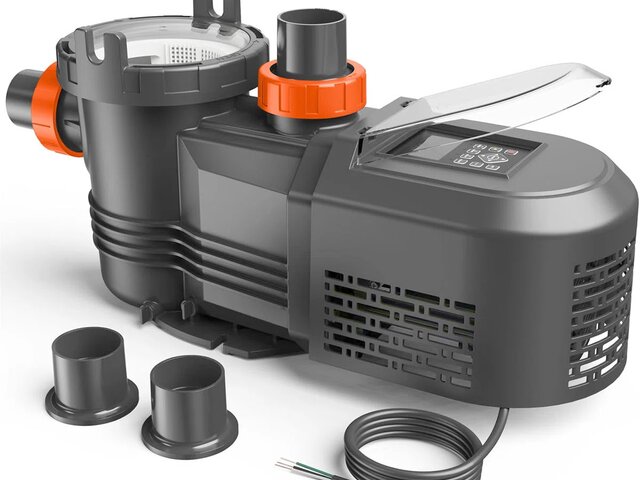
How to Prime Your Pool Pump: Complete Step-by-Step Guide

What's the proper procedure to prime my pool pump after maintenance?
Read full question
Looked at my pool pump this morning and there's absolutely no water flowing through it even though it's running. The pump basket was completely dry when I opened it up, and now I'm getting no water flow when I turn it back on. I know I need to prime it somehow, but I want to make sure I do this right without damaging anything. What's the correct step-by-step process to get water flowing through the system again? I'm comfortable working with the equipment, just want to avoid any rookie mistakes.
Quick Answer
Priming a pool pump involves filling the pump basket and suction lines with water to eliminate air pockets. Turn off power, remove the pump lid, fill with water, reassemble, then start the pump while monitoring the system.
Understanding Pool Pump Priming
You flip the switch expecting the familiar hum of your pool pump, but instead you're greeted with silence and the sinking realization that air has invaded your system. When air gets trapped in the pump housing or suction lines, it prevents proper water circulation and can cause the pump to run dry, potentially leading to damage. The priming process removes this air and establishes proper water flow throughout your filtration system.
Pre-Priming Safety and Preparation
Always turn off power at the breaker before beginning any pump work. Never attempt to prime a pump while it's energized. Gather your tools and have a garden hose ready - you'll need water to fill the system.
Check that all suction-side valves are open, including skimmer and main drain valves if your system has them. Ensure the return valve is also fully open. Any closed valves will prevent proper priming and water circulation.
The Priming Process
Remove the pump lid by turning it counterclockwise. You'll likely need to break the seal, so expect some resistance. Once open, remove the pump basket and inspect it for debris - clean if necessary before proceeding.
Here's where many pool owners make a critical mistake: fill both the pump basket and the entire pump housing with water. Don't just add a little water - fill it completely until water reaches the top of the housing. This eliminates air pockets that could prevent proper priming.
Reinstall the clean pump basket, ensuring it sits properly in the housing. Replace the pump lid and hand-tighten it firmly. The lid needs to create a proper seal, but don't over-tighten as this can damage the threads or O-ring.
Starting and Monitoring the System
Turn the power back on and start your pump. You should hear the motor running, but initially, you might not see water flow immediately. Watch the pump housing sight glass or clear lid - you should see water and air bubbles churning as the system purges air from the lines.
Most pumps will establish prime within several minutes, though timing varies by system. You'll know it's working when you see steady water flow at the return jets and the pump basket fills completely with water. The churning and air bubbles in the housing should stop, replaced by clear, steady water flow.
Troubleshooting Common Priming Issues
If your pump doesn't prime after several minutes, turn it off and repeat the filling process. Sometimes air pockets in the suction lines require multiple attempts to clear completely. Avoid running a pump without prime for extended periods as this can damage the impeller and motor - consult your pump manual for specific limitations.
Check for air leaks in the suction side if priming problems persist. Common culprits include loose pump lid, damaged O-rings, or cracks in the suction plumbing. Even small leaks can prevent proper priming by allowing air to continuously enter the system.
For systems with particularly long suction runs or multiple suction points, you might need to add water directly to the skimmer or use the recirculate setting on multiport valves to help establish initial flow.
Understanding your pool's filtration system can help you identify the best priming approach for your specific setup.
Maintaining Proper Prime
Once your system is running properly, monitor it for the first few hours to ensure prime holds steady. Occasional air bubbles are normal initially, but they should decrease and eventually stop as all air purges from the system.
Keep your pump basket clean and water levels adequate in your skimmer to prevent future priming issues. Low water levels are one of the most common causes of lost prime during normal operation.
Regular maintenance following proper weekly maintenance procedures will minimize situations where repriming becomes necessary, keeping your pool system running efficiently season after season.
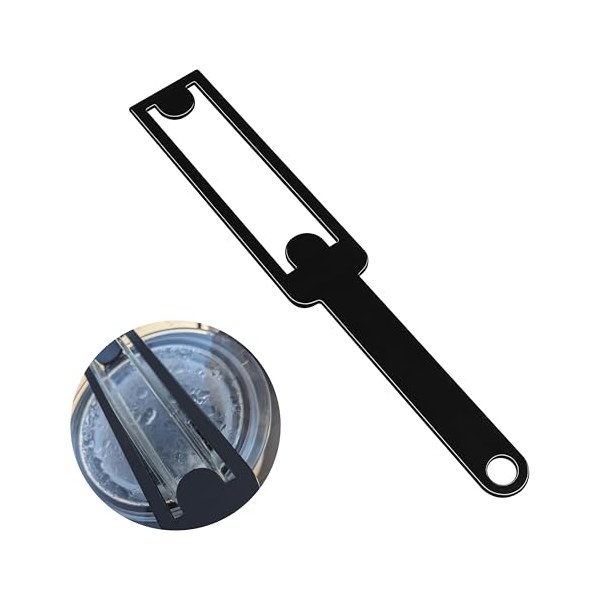 Pump Lid Wrench (Hayward Super II)
Breaks loose a stuck Hayward Super II strainer lid (SP3000/SP3007). View on Amazon →
Pump Lid Wrench (Hayward Super II)
Breaks loose a stuck Hayward Super II strainer lid (SP3000/SP3007). View on Amazon →
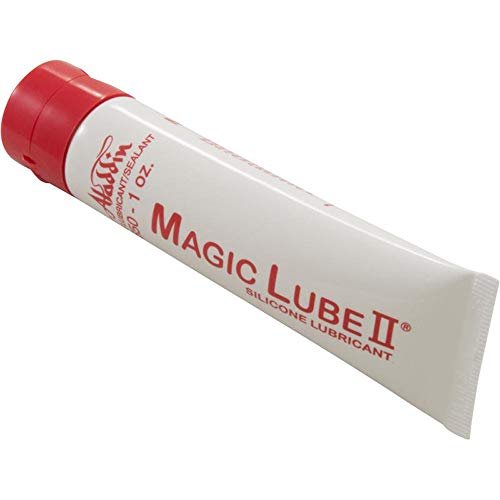 Aladdin Magic Lube II — Pool O-Ring & Gasket Silicone Lubricant (1 oz)
Waterproof silicone lube that keeps pump-lid and valve O-rings sealed and pliable — the usual cure for lost prime. View on Amazon →
Aladdin Magic Lube II — Pool O-Ring & Gasket Silicone Lubricant (1 oz)
Waterproof silicone lube that keeps pump-lid and valve O-rings sealed and pliable — the usual cure for lost prime. View on Amazon →
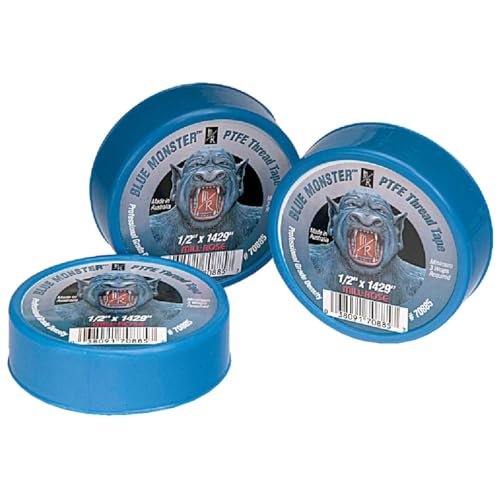 Blue Monster PTFE Thread Seal Tape (1/2 in × 1429 in)
Heavy-duty thread tape for leak-free pool plumbing fittings — stops suction-side air leaks. View on Amazon →
Blue Monster PTFE Thread Seal Tape (1/2 in × 1429 in)
Heavy-duty thread tape for leak-free pool plumbing fittings — stops suction-side air leaks. View on Amazon →
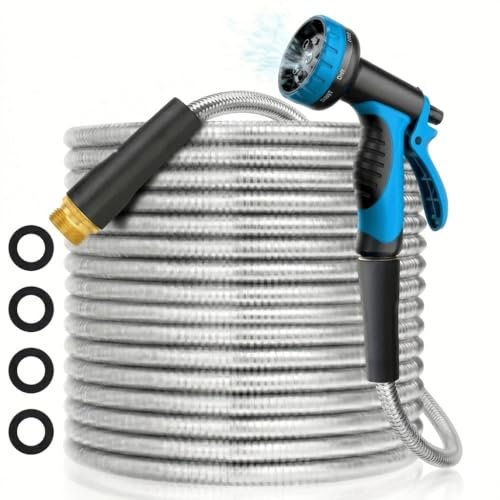 50 ft Flexible Metal Garden Hose (Kink-Free)
Durable hose for filling, priming, and rinsing equipment. View on Amazon →
50 ft Flexible Metal Garden Hose (Kink-Free)
Durable hose for filling, priming, and rinsing equipment. View on Amazon →
Still need help? Ask a Pool & Spa Expert AD
Get a personalized answer from PoolGuy810 — 30 years owning a pool and spa repair company. Describe your issue and get step-by-step help.
Related Pool Guides
Need More Help?
Try our free pool calculators and tools to help diagnose and fix your pool problems.
Browse Pool ToolsSLAM calculator, pH calculator, salt dosing & more