
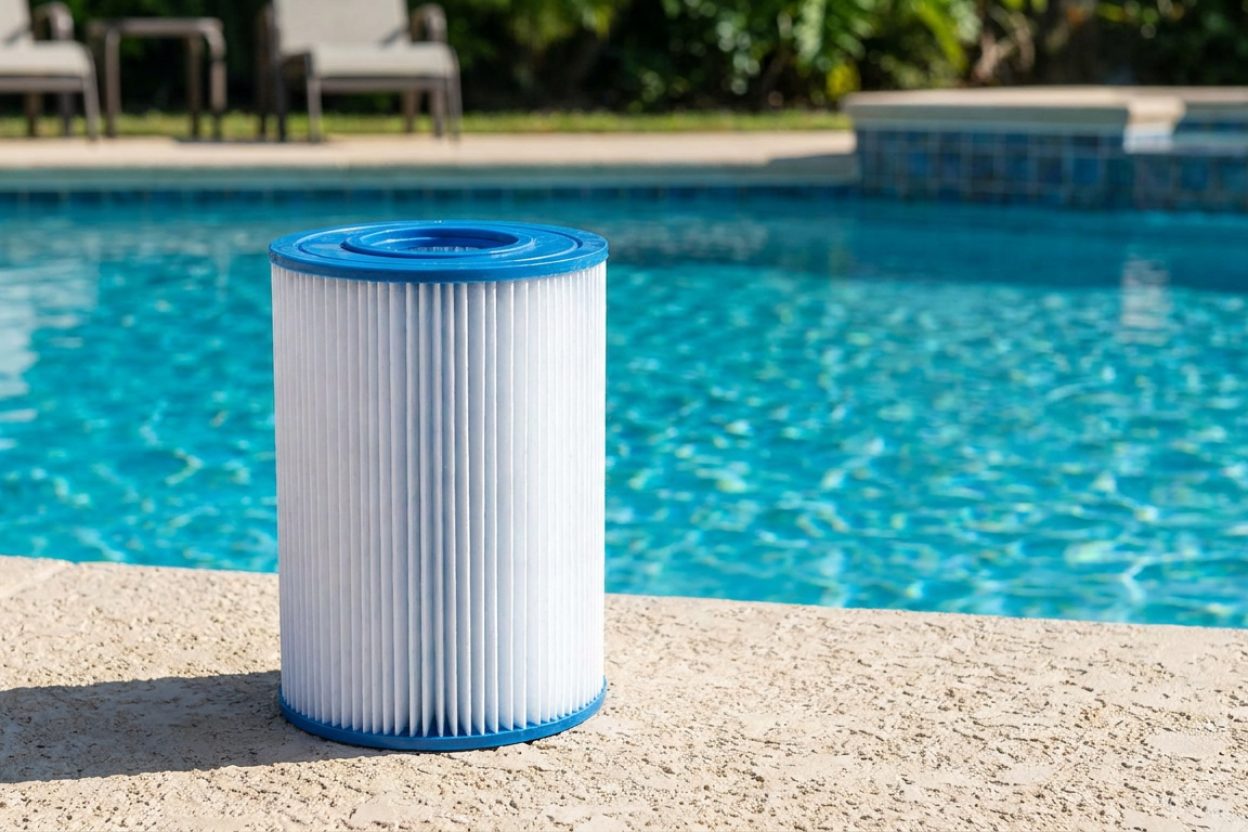
How Long Do Pool Filter Balls Last? Complete Lifespan Guide

How often should I replace my pool filter balls?
Read full question
About the third time this season my pool filter balls have turned into a cloudy water nightmare and I'm done playing the guessing game! I switched to filter balls a few months ago hoping they'd be the magic solution, but now I'm wondering if I'm supposed to replace them regularly or what. My pool gets pretty heavy use during summer with the kids and their friends constantly jumping in.
I've been trying to stay on top of cleaning them, but honestly some weeks I forget and go longer between cleanings. Are these things supposed to last forever or do they wear out? I just want to know how long I can expect them to work effectively before I need to buy new ones.
Quick Answer
Filter balls are reusable and washable, and reported lifespans vary widely - suppliers and owners commonly cite anywhere from about 1 to 5 years (home pools often toward the longer end; heavy use closer to a year). There's no independent testing to settle it, so treat any single number as an estimate. Mostly they just need cleaning every 2-4 weeks, not frequent replacement.
Understanding Filter Ball Lifespan
Filter balls are made from tightly wound synthetic (polyethylene) fibers that create a three-dimensional filtration media. They're marketed as capturing particles as small as 3-5 microns, but that's a manufacturer figure with no independent testing behind it—real-world clarity runs the full range, often on par with a well-run sand filter, sometimes better, sometimes worse. Like any media, their effectiveness diminishes over time as the fibers load up with contaminants and gradually break down from chemical exposure and physical wear.
A typical home-pool lifespan reported by suppliers and owners runs roughly 2-5 years with average use of about 6-8 hours of daily filtration, though this isn't backed by controlled testing. Pools with higher bather loads, frequent debris, or challenging water chemistry may see a set wear out closer to the 6-month mark, while lightly used, well-maintained pools often get a full year or more, and some owners report considerably longer. Treat the range as a planning guide, not a hard expiration date.
Factors That Affect Filter Ball Longevity
Pool Usage and Bather Load
Heavy pool usage significantly impacts filter ball lifespan. Each swimmer introduces oils, lotions, sweat, and other organic contaminants that the filter balls must capture. Pools used daily by multiple people will require more frequent filter ball replacement compared to lightly used pools. Commercial or heavily used residential pools may need replacement every 4-6 months.
Water Chemistry Balance
Proper water chemistry is crucial for maximizing filter ball life. Maintain your free chlorine (FCFree Chlorine — The chlorine actively sanitizing your water right now. This is the number you keep an eye on. how much you need →) based on your cyanuric acid (CYACyanuric Acid (stabilizer) — Sunscreen for your chlorine — it keeps sunlight from burning it off. The catch: the more you have, the more chlorine you need to keep. learn more →) levels using the all-in-one pool calculator. Keep pH between 7.2-7.6, and total alkalinity between 80-120 ppm for both regular chlorine pools and salt water generators. Imbalanced chemistry, particularly high chlorine levels or extreme pH, can degrade the polyester fibers prematurely.
Environmental Conditions
Outdoor pools face additional challenges that can shorten filter ball life. Pollen, leaves, dust, and other airborne debris increase the filtration load. Pools surrounded by trees or in dusty environments will require more frequent filter ball replacement. Additionally, extreme temperature fluctuations can affect the integrity of the synthetic fibers over time.
Signs It's Time to Replace Filter Balls
Visual Indicators
Inspect your filter balls regularly during cleaning. Replace them when you notice significant fiber breakdown, permanent discoloration that doesn't improve with cleaning, or a noticeable reduction in their fluffy appearance. Healthy filter balls should maintain their three-dimensional structure and white or light blue color (depending on brand).
Performance Issues
Declining water clarity despite proper chemical balance often indicates worn filter balls. If you're struggling to maintain clear water, experiencing shorter intervals between cleanings, or noticing increased pressure on your system more frequently, your filter balls may be reaching the end of their useful life.
Cleaning Effectiveness
Filter balls that no longer respond well to cleaning have likely reached replacement time. If backwashing or rinsing fails to restore proper flow rates or if the balls remain discolored after thorough cleaning, it's time for new ones.
Maximizing Filter Ball Lifespan
Regular Maintenance Schedule
Clean your filter balls every 2-4 weeks depending on pool usage. Remove them from the filter housing and rinse thoroughly with a garden hose, gently separating clumped fibers. For deeper cleaning, soak them in a mild detergent solution or specialized filter cleaner, then rinse completely before reinstalling.
Proper Chemical Balance
Maintain consistent water chemistry to prevent premature degradation. Test your water 2-3 times per week using a quality test kit like the Taylor K-2006C. Avoid shocking directly into the skimmer, as concentrated chlorine can damage the filter media. Instead, broadcast liquid chlorine around the pool perimeter with the pump running.
Rotation System
Consider purchasing two sets of filter balls and rotating them every cleaning cycle. This allows one set to dry completely while the other is in use, which can extend the overall lifespan of both sets. Proper drying prevents bacterial growth and helps maintain the structural integrity of the fibers.
When to Consider Early Replacement
Sometimes filter balls wear out sooner than they otherwise would. If you've experienced a severe algae bloom requiring SLAMShock Level And Maintain — raise free chlorine to a target based on your CYA and hold it there until the algae is gone. It's a process, not a one-time dose. the SLAM walkthrough → (Shock Level And Maintain) treatment, the prolonged exposure to high chlorine levels may damage the filter media. Similarly, if your pool has experienced contamination from oils, metals, or other unusual contaminants, early replacement may be necessary to maintain optimal filtration.
Safety note: Always turn off your pool pump before removing or installing filter balls, and ensure the system is properly sealed when restarting to prevent damage to your equipment.
By following proper maintenance and keeping your water balanced, you'll get the most life out of a set of filter balls. Their real draw over sand is weight and easy handling rather than cost or longevity—sand is cheaper up front and generally lasts longer—so they make the most sense when easier handling matters more to you than squeezing out maximum media life.
For the full breakdown of safe chlorine levels by CYA level, see our pool water chemistry guide.
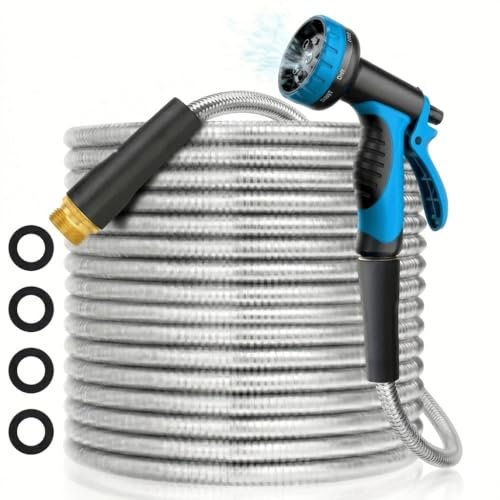 50 ft Flexible Metal Garden Hose (Kink-Free)
Durable hose for filling, priming, and rinsing equipment. View on Amazon →
50 ft Flexible Metal Garden Hose (Kink-Free)
Durable hose for filling, priming, and rinsing equipment. View on Amazon →
 Taylor K-2006C Complete FAS-DPD Pool & Spa Test Kit
The FAS-DPD kit pool pros trust — reads chlorine accurately even at shock/SLAM levels, plus pH, alkalinity, calcium hardness and CYA. View on Amazon →
Taylor K-2006C Complete FAS-DPD Pool & Spa Test Kit
The FAS-DPD kit pool pros trust — reads chlorine accurately even at shock/SLAM levels, plus pH, alkalinity, calcium hardness and CYA. View on Amazon →
Still need help? Ask a Pool & Spa Expert AD
Get a personalized answer from PoolGuy810 — 30 years owning a pool and spa repair company. Describe your issue and get step-by-step help.
Related Pool Guides
Need More Help?
Try our free pool calculators and tools to help diagnose and fix your pool problems.
Browse Pool ToolsSLAM calculator, pH calculator, salt dosing & more