
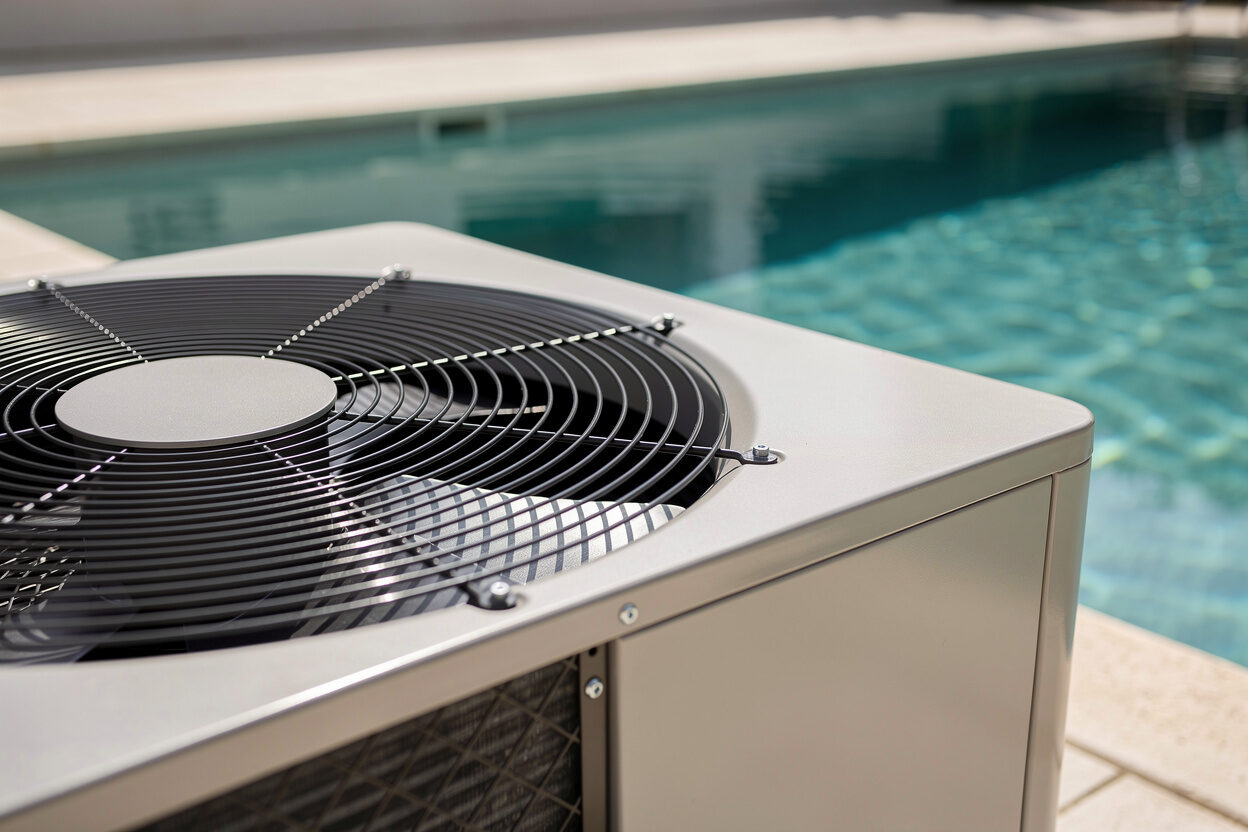
Can You Enclose a Pool Heater? Safety & Clearance Guide

Is it safe to build an enclosure around my pool heater?
Read full question
Found a gas pool heater that came with my house and I'm wondering if I can put some kind of enclosure around it. This is my first pool and I have no idea what I'm looking at. The heater is just sitting out in the open next to my equipment pad and it looks kind of ugly. I was thinking about building a small shed or cabinet around it to make it look better and maybe protect it from the weather. Is this something I can do safely, or are there rules about how much space it needs around it? I don't want to create a fire hazard or mess up the ventilation.
Quick Answer
Pool heaters can be partially enclosed for aesthetics but require strict clearance requirements for safety and proper operation. Gas heaters need specific ventilation and combustion air access.
Budget-Friendly Aesthetic Solutions First
Before considering a full enclosure, I'd recommend starting with the cheapest options that can improve your heater's appearance without safety concerns. Simple landscaping around the equipment pad costs under $100 and can dramatically improve the visual appeal. Strategic placement of shrubs or decorative screens positioned at least 3 feet away from the heater provides visual screening while maintaining proper clearances.
Another low-cost option is using a weather-resistant cover or decorative screen designed for outdoor equipment (avoid painting or shrink-wrapping the unit itself — that can block vents and louvers or contact hot surfaces). These cosmetic improvements typically cost $50-150 and can make your heater blend better with your outdoor space without any enclosure risks.
Understanding Critical Clearance Requirements
Pool heaters, especially gas units, have strict manufacturer specifications for clearances that cannot be compromised. Gas heaters have specific manufacturer clearance requirements that typically include minimum distances on all sides, front service access, and overhead clearance. Exact clearances vary by model and manufacturer - always verify with your unit's installation manual.
These clearances aren't suggestions—they're safety requirements that prevent overheating, ensure proper combustion air flow, and allow heat dissipation. Violating these clearances can create fire hazards, void your warranty, and potentially violate local building codes.
Electric vs Gas Heater Considerations
Electric heat pumps have different requirements than gas heaters. While they don't need combustion air, they still require adequate airflow for the fan and condenser coils. Electric heat pumps require adequate clearance around air intake and discharge sides for proper airflow - verify specific requirements with your unit's installation manual.
Partial Enclosure Options That Work
If you're set on some type of enclosure, partial solutions can work within safety parameters. A three-sided screen or fence positioned at the minimum clearance distances can provide visual screening while maintaining required airflow. Use non-combustible materials like metal, concrete block, or cement board rather than wood.
Louvered panels or decorative metal screens allow airflow while providing coverage. Manufacturer-approved enclosure kits typically cost around $500-$1,200 depending on size and materials. Position them to maintain manufacturer clearances while blocking the view from primary sight lines in your yard.
Professional Consultation Saves Money
Before building anything permanent, consult your local building department about permit requirements. Many areas require permits for structures near gas appliances. A quick call can save you from costly mistakes or having to rebuild non-compliant enclosures.
When Full Enclosures Become Expensive
True enclosed sheds or cabinets around pool heaters require significant engineering and safety measures that quickly escalate costs. You'll need proper ventilation systems, combustion air supplies, and often professional HVAC design to meet codes safely.
These solutions can be expensive, often starting at several thousand dollars for basic installations and potentially much more for elaborate custom enclosures with proper ventilation systems. Costs vary significantly by region and complexity. The complexity of ensuring adequate combustion air, preventing carbon monoxide buildup, and maintaining service access makes this approach cost-prohibitive for most homeowners.
Maintenance Access Is Crucial
Remember that proper pool maintenance includes regular heater service. Any enclosure must allow easy access for filter cleaning, burner inspection, and seasonal maintenance. Technicians need working space around the unit, which often makes tight enclosures impractical even when they meet minimum clearances.
Alternative Aesthetic Improvements
Consider relocating your entire equipment pad if the heater's current position is the main aesthetic issue. While this involves higher upfront costs for plumbing and electrical work, it may be more cost-effective than building compliant enclosures around equipment in highly visible locations.
Factory-built, UL-rated enclosure covers that sit above the minimum clearance height can also provide visual improvement without safety compromises. These typically range from around $800-$1,500 and can significantly improve the appearance while maintaining full access and safety clearances.
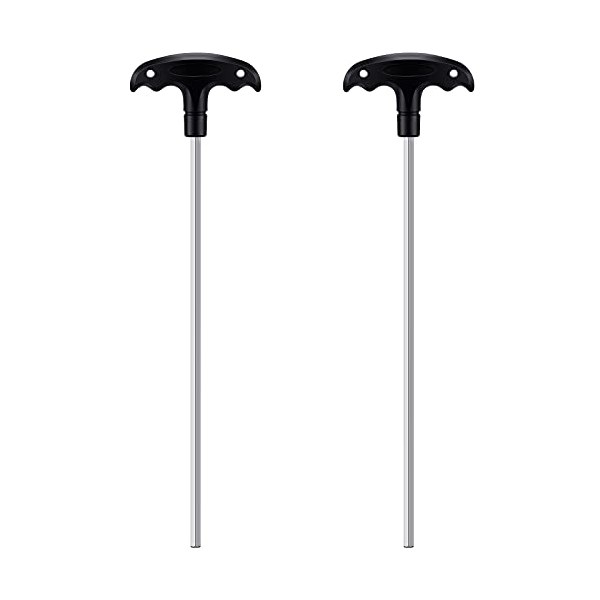 Pool Safety Cover Hex Key Tool (2-Pack)
Hex keys to install or remove a pool safety cover. View on Amazon →
Pool Safety Cover Hex Key Tool (2-Pack)
Hex keys to install or remove a pool safety cover. View on Amazon →
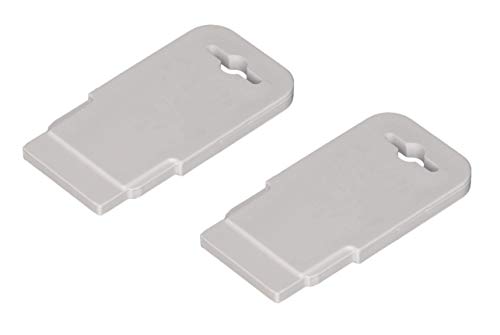 Pool Eyeball / Return Jet Fitting Removal Tool (ATIE)
Pops out & reseats Hayward SP1419 return-jet eyeballs — handy for closing. View on Amazon →
Pool Eyeball / Return Jet Fitting Removal Tool (ATIE)
Pops out & reseats Hayward SP1419 return-jet eyeballs — handy for closing. View on Amazon →
Still need help? Ask a Pool & Spa Expert AD
Get a personalized answer from PoolGuy810 — 30 years owning a pool and spa repair company. Describe your issue and get step-by-step help.
Related Pool Guides
Need More Help?
Try our free pool calculators and tools to help diagnose and fix your pool problems.
Browse Pool ToolsSLAM calculator, pH calculator, salt dosing & more