
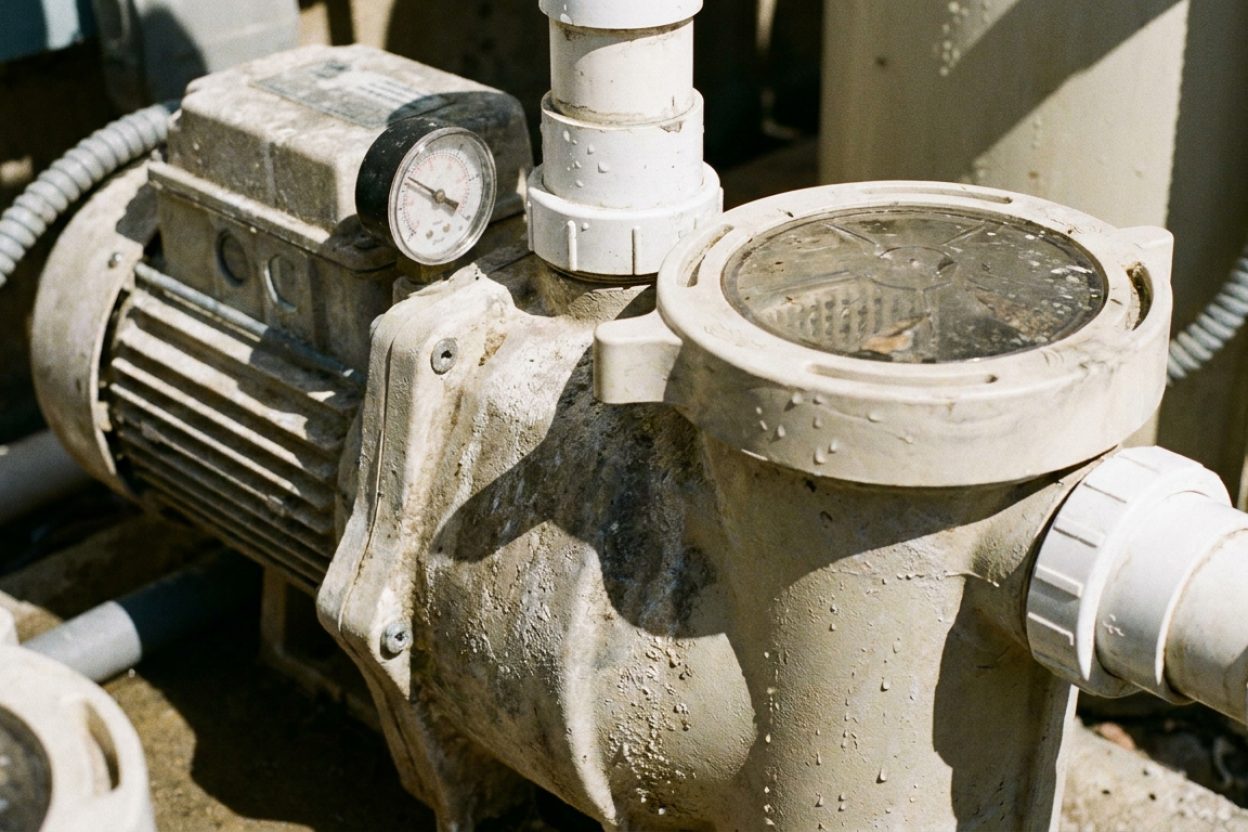
Do Variable Speed Pool Pumps Really Save Money? Cost Analysis

Are variable speed pumps worth the investment long-term?
Read full question
I looked at my electric bill this morning and nearly choked when I saw it jumped $80 last month. My single-speed pump is absolutely killing my wallet, and I'm starting to wonder if upgrading to a variable speed pump would actually make a difference financially. The upfront cost seems pretty steep, but I keep hearing people say they save a ton on energy costs.
I really want to know if variable speed pumps actually deliver on those savings promises, and if so, how long it typically takes to break even on the investment. My current pump runs constantly and I swear it's single-handedly doubling my electric bill during pool season. Please tell me there's hope for getting these costs under control!
Quick Answer
Yes, variable speed pool pumps typically save 50-70% on energy costs (up to 90% with aggressive low-speed scheduling) compared to single-speed pumps, with most homeowners seeing a complete return on investment within 1-2 years through reduced electricity bills.
First, Let's Diagnose Your Current Pump Costs
Before determining your potential savings, we need to establish your baseline costs with your current single-speed pump:
- Calculate your current energy usage: Find your pump's horsepower rating (usually 1-3 HP for residential pools)
- Determine daily runtime: Most single-speed pumps run 8-12 hours daily
- Check your electricity rate: Look at your utility bill for cost per kWh (typically $0.10-$0.30)
- Estimate the cost: our pump runtime & energy calculator turns your pump's watts, daily hours, and electricity rate into a yearly cost.
For example: A 2 HP pump running 10 hours daily at $0.15/kWh costs about $815 annually just for the pump.
How Variable Speed Pumps Create Real Savings
The Physics Behind the Savings
Variable speed pumps save money through the "affinity laws" of pump physics. When you reduce pump speed by 50%, you use only 12.5% of the energy while still moving 50% of the water. This exponential relationship is where the massive savings come from.
Practical Speed Applications
- Filtration (low speed): 600-1200 RPM for daily circulation - uses 80-90% less energy
- Cleaning (medium speed): 1800-2400 RPM when vacuuming or using automatic cleaners
- Water features (high speed): 2400-3450 RPM for waterfalls, jets, or heavy bather loads
- Heating (variable): Optimal speeds for heat pump or gas heater efficiency
Real-World Savings Analysis
Typical Savings Scenarios
Conservative savings (50-70%): Homeowners who still run higher speeds frequently but optimize filtration cycles typically save $400-600 annually on a pool that previously cost $800-$1,200 yearly to operate.
Aggressive savings (70-90%): Pool owners who maximize low-speed operation and properly size their filtration cycles often save $500-1,000 annually, with some reporting 90%+ reductions in pump energy costs.
Payback Period Calculation
Variable speed pump packages (pump plus installation) typically run $1,300-$2,400 in total upfront cost, though the pump itself ($600-$900) costs more upfront than a single-speed model, though prices have dropped sharply and budget variable-speed pumps now cost far less than premium legacy models. With annual savings of $500-1,000, most installations pay for themselves within 1-2 years. After payback, it's pure savings for the remaining 10-15 year pump lifespan.
Maximizing Your Variable Speed Pump Savings
- Program optimal filtration speeds: Start with 1000 RPM for 12-16 hours daily instead of high speed for 8 hours
- Use timer scheduling: Program different speeds for different times - low overnight, medium during peak use
- Adjust seasonally: Reduce speeds in cooler months when algae growth is minimal
- Monitor water quality: Use a Taylor K-2006 test kit to ensure your reduced speeds still maintain proper circulation for chemical distribution
- Size your system properly: Ensure your filter and plumbing can handle longer, slower filtration cycles
Additional Financial Benefits
Utility Rebates
Many utilities offer $100-400 rebates for variable speed pump installations. Check with your local utility company - some areas offer rebates covering 30-50% of the upgrade cost.
Equipment Longevity
Running at lower speeds reduces wear on your entire circulation system. Pool owners report longer filter life, reduced plumbing stress, and quieter operation - all contributing to long-term cost savings.
Enhanced Pool Performance
Longer, slower circulation actually improves water quality by providing more consistent filtration and chemical mixing, potentially reducing chemical costs by 10-20%.
Common Money-Saving Mistakes to Avoid
- Running speeds too high: Many owners don't trust low speeds initially and run unnecessarily high RPMs
- Ignoring programming features: Manual operation wastes the automation benefits that maximize savings
- Undersized installations: Installing a pump too small for your system forces higher speeds, reducing savings
- Poor maintenance: Clean filters and balanced water chemistry allow lower speeds to work effectively
Safety note: Always have a qualified electrician install variable speed pumps, as they require specific electrical connections and GFCI protection.
The bottom line: Variable speed pumps represent one of the best investments in pool equipment, typically saving their purchase price within 1-2 years and continuing to save money for a decade or more. Combined with utility rebates and improved pool performance, they usually pay for themselves for most pool owners.
Still need help? Ask a Pool & Spa Expert AD
Get a personalized answer from PoolGuy810 — 30 years owning a pool and spa repair company. Describe your issue and get step-by-step help.
Related Pool Guides
Need More Help?
Try our free pool calculators and tools to help diagnose and fix your pool problems.
Browse Pool ToolsSLAM calculator, pH calculator, salt dosing & more