
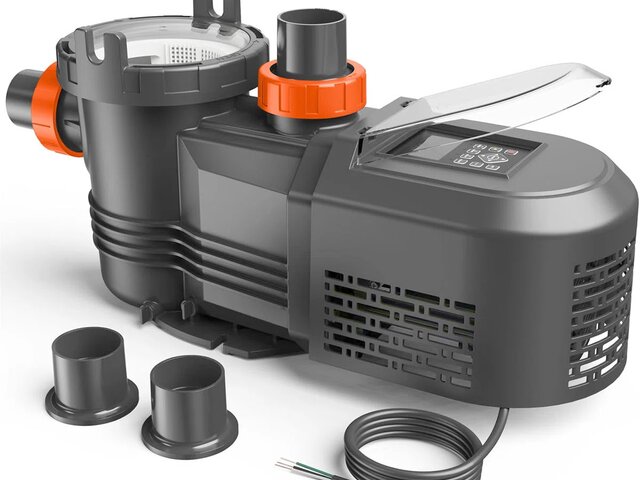
Do Variable Speed Pool Pumps Have Capacitors? Technical Guide

What type of motor capacitors do variable speed pool pumps use?
Read full question
Variable speed pump stopped working and the repair tech says the capacitor blew. Didn't even know these pumps had capacitors — thought that was just a single speed thing. Now I'm wondering if this is a common failure point I should be watching for.
Quick Answer
Most variable speed pool pumps do not have traditional motor start or run capacitors because they use permanent magnet synchronous motors controlled by variable frequency drives — but the drive that controls them does contain capacitors, which can fail. Single speed pumps use motor start/run capacitors.
Understanding Motor Types and Capacitor Requirements
The presence of capacitors in pool pumps depends entirely on the motor type and control system used. Traditional single speed and two speed pool pumps rely on induction motors that require capacitors to create the rotating magnetic field needed for operation. These motors use start capacitors to provide the initial torque and run capacitors to maintain efficient operation.
Variable speed pumps revolutionized pool equipment by adopting permanent magnet synchronous motors combined with sophisticated electronic controls. These motors generate their own magnetic field through permanent magnets, eliminating the need for capacitors to create phase shifts in the electrical current.
Technical Differences Between Pump Types
Single Speed Pumps with Capacitors
Single speed pumps use either capacitor-start induction motors or permanent split capacitor motors. The start capacitor provides high starting torque, while the run capacitor improves power factor and efficiency during operation. These capacitors are typically housed in a metal canister mounted on or near the motor housing.
Variable Speed Pump Technology
Variable speed pumps employ permanent magnet synchronous motors controlled by variable frequency drives. The VFD converts incoming AC power to DC, then back to AC at variable frequencies and voltages. This electronic control system precisely manages motor speed without requiring capacitors for starting or running.
The permanent magnets in these motors are typically made from rare earth materials like neodymium, providing consistent magnetic fields that don't require electrical assistance from capacitors.
Exceptions and Hybrid Designs
While most variable speed pumps don't use capacitors, some exceptions exist:
- Hybrid variable speed pumps: Some manufacturers use modified induction motors with electronic controls that may still incorporate capacitors
- Auxiliary circuits: Some models use small capacitors in control circuits or for power factor correction, though not for motor operation
- Older variable speed designs: Early variable speed pumps sometimes used different motor technologies that required capacitors
- Drive capacitors: Every VS pump's variable frequency drive contains capacitors (e.g., Sta-Rite/Pentair IntelliPro drives), and these can fail even though the motor itself has no start/run capacitors
Troubleshooting Motor Issues
Variable Speed Pump Problems
When variable speed pumps fail, the issues typically involve:
- VFD circuit board failures
- Bearing failure and shaft-seal wear
- Electronic sensor malfunctions
- Programming or communication errors
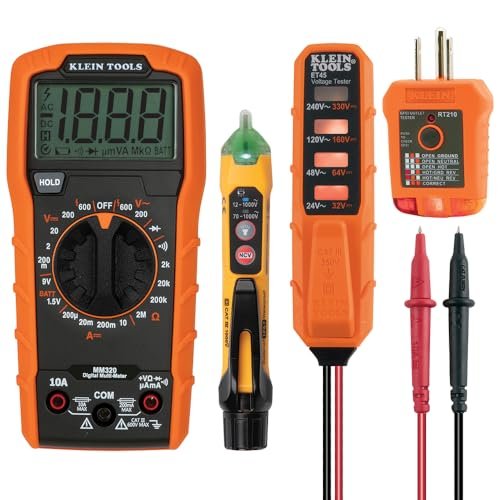
However, the drive itself contains capacitors — including large DC-bus electrolytic capacitors — and these are one of the more common VS-pump failure points. So a tech telling you "the capacitor blew" is usually referring to a drive capacitor, not a motor start/run capacitor, and capacitor testing on the drive board is a legitimate part of troubleshooting.
Identifying Your Pump Type
To determine if your pump has capacitors:
- Look for a metal cylindrical canister near the motor - this typically houses capacitors
- Check the motor label for specifications - variable speed motors often list "PMSM" or "Permanent Magnet"
- Examine the control panel - variable speed pumps have digital displays and speed controls
- Review manufacturer documentation for your specific model
Maintenance Considerations
Variable Speed Pump Maintenance
Without capacitors, variable speed pump maintenance focuses on:
- Keeping the VFD electronics clean and dry
- Ensuring proper ventilation around the control unit
- Protecting against power surges with appropriate surge protection
- Regular cleaning of cooling vents and fans
When Capacitors Are Present
If your variable speed pump does have capacitors, maintain them by:
- Visual inspection for bulging, leaking, or corrosion
- Testing capacitance values annually
- Replacing capacitors showing signs of deterioration
- Using only manufacturer-specified replacement capacitors
Common Misconceptions and Mistakes
Mistake: Assuming all pool pump motors work the same way. Variable speed technology represents a fundamental change in motor design and operation.
Mistake: Trying to repair variable speed pumps using single speed pump troubleshooting methods. The diagnostic approaches are completely different.
Mistake: Replacing a failed variable speed pump with a single speed unit to save money, losing the energy efficiency benefits that often pay for the higher initial cost.
Energy Efficiency Benefits
Variable speed pumps are more efficient mainly because of their permanent-magnet (PMSM) motors and variable-frequency drive — not because they lack capacitors. A run capacitor actually improves power factor and wastes very little energy itself. The real difference is the motor: an induction motor must continuously induce current into the rotor to create its magnetic field (which produces resistive heat losses), while a permanent-magnet motor's magnets supply that field directly. Combined with variable-speed operation, that lets these pumps reach efficiency ratings often exceeding 90%, compared to 60-70% for traditional induction motors.
Professional vs. DIY Considerations
While homeowners can replace capacitors in traditional pumps, variable speed pump repairs typically require professional service. The electronic components and programming require specialized knowledge and equipment. However, the reduced maintenance requirements of variable speed pumps often offset the higher repair costs through improved reliability and longer service life.
Still need help? Ask a Pool & Spa Expert AD
Get a personalized answer from PoolGuy810 — 30 years owning a pool and spa repair company. Describe your issue and get step-by-step help.
Related Pool Guides
Need More Help?
Try our free pool calculators and tools to help diagnose and fix your pool problems.
Browse Pool ToolsSLAM calculator, pH calculator, salt dosing & more