
Can You Swim in Green Pool Water? Safety & Treatment Guide
Is it safe to swim in green pool water? Trying to avoid expensive service call
Read full question
Found out my pool guy wants me to drain and refill my week-old green pool instead of just treating the algae, but that sounds expensive and unnecessary. The water is definitely green but not super thick - I can still see the bottom. I'd rather not pay a pool service company hundreds of dollars if I can handle this on my own. Is swimming in green water dangerous, or can I use the pool while treating it? I've got basic test strips and some liquid chlorine from the hardware store.
Quick Answer
Swimming in green pool water is not safe due to harmful bacteria and algae that can cause infections and illness. You'll need to treat the algae first using the SLAM method before the pool is safe for swimming.
Swimming Safety: Why Green Water Is Off-Limits
If you're staring at a green swamp where your crystal-clear pool used to be, wondering if it's safe to take a dip, you're not alone. Green pool water indicates an algae bloom, and where algae thrives, harmful bacteria often follow. These microorganisms can cause skin infections, eye irritation, ear infections, and gastrointestinal issues if water is accidentally ingested.
The good news is you can absolutely tackle this yourself and save those service call fees. The most effective approach is the SLAM method (Shock Level And Maintain), which has proven successful for countless pool owners dealing with algae problems.
Step-by-Step Green Pool Recovery Process
- Test your water chemistry first - You'll need accurate readings of Free Chlorine (FC), Combined Chlorine (CC), pH, Total Alkalinity (TA), and Cyanuric Acid (CYA). Test strips aren't precise enough for this process, so consider investing in a quality test kit like the Taylor K-2006.
- Calculate your SLAM target - Your target FC level depends on your CYA reading. Use our chlorine dosing calculator to determine exactly how much chlorine you need.
- Adjust pH to proper range - Before adding chlorine, get your pH between 7.2-7.6, which is the optimal range for chlorine effectiveness.
- Begin the SLAM process - Add liquid chlorine to reach your target FC level. You'll likely need to add chlorine multiple times per day as it gets consumed fighting the algae.
- Run your filter continuously - Keep that pump and filter running 24/7 during treatment. Clean or backwash your filter frequently as it captures dead algae.
- Brush pool surfaces daily - Algae clings to pool walls and floors. Aggressive brushing helps break it loose so the chlorine can kill it more effectively.
- Test and dose repeatedly - Check FC levels every few hours and add more chlorine as needed to maintain your target level.
- Wait for the overnight chlorine loss test - Once your pool is clear and you're maintaining target FC levels, test FC in the evening, then again in the morning. If you lose less than 1 ppm overnight with no CC present (this threshold may vary based on your specific pool conditions), your pool is ready.
What You'll Need for DIY Treatment
The essential supplies for clearing green water yourself include liquid chlorine (sodium hypochlorite), a reliable test kit, pH adjuster chemicals, and a good pool brush. You'll also want to have extra filter cartridges or DE powder on hand, as you'll be cleaning your filter frequently throughout the process.
For detailed guidance on the entire SLAM process, check out our comprehensive SLAM method guide which walks you through each step with specific dosing instructions.
Timeline and Expectations
Most green pools typically clear within several days to a week using this method, though timing varies significantly based on severity and your pool's specific conditions. The water will gradually transition from green to cloudy blue, then finally to crystal clear. Don't be discouraged if progress seems slow initially - algae die-off often happens suddenly once the chlorine gains the upper hand.
Remember to stay patient with the process and resist the temptation to swim until you've completed the full SLAM protocol and passed the overnight chlorine loss test. This ensures all harmful microorganisms are eliminated and your pool is truly safe for swimming.
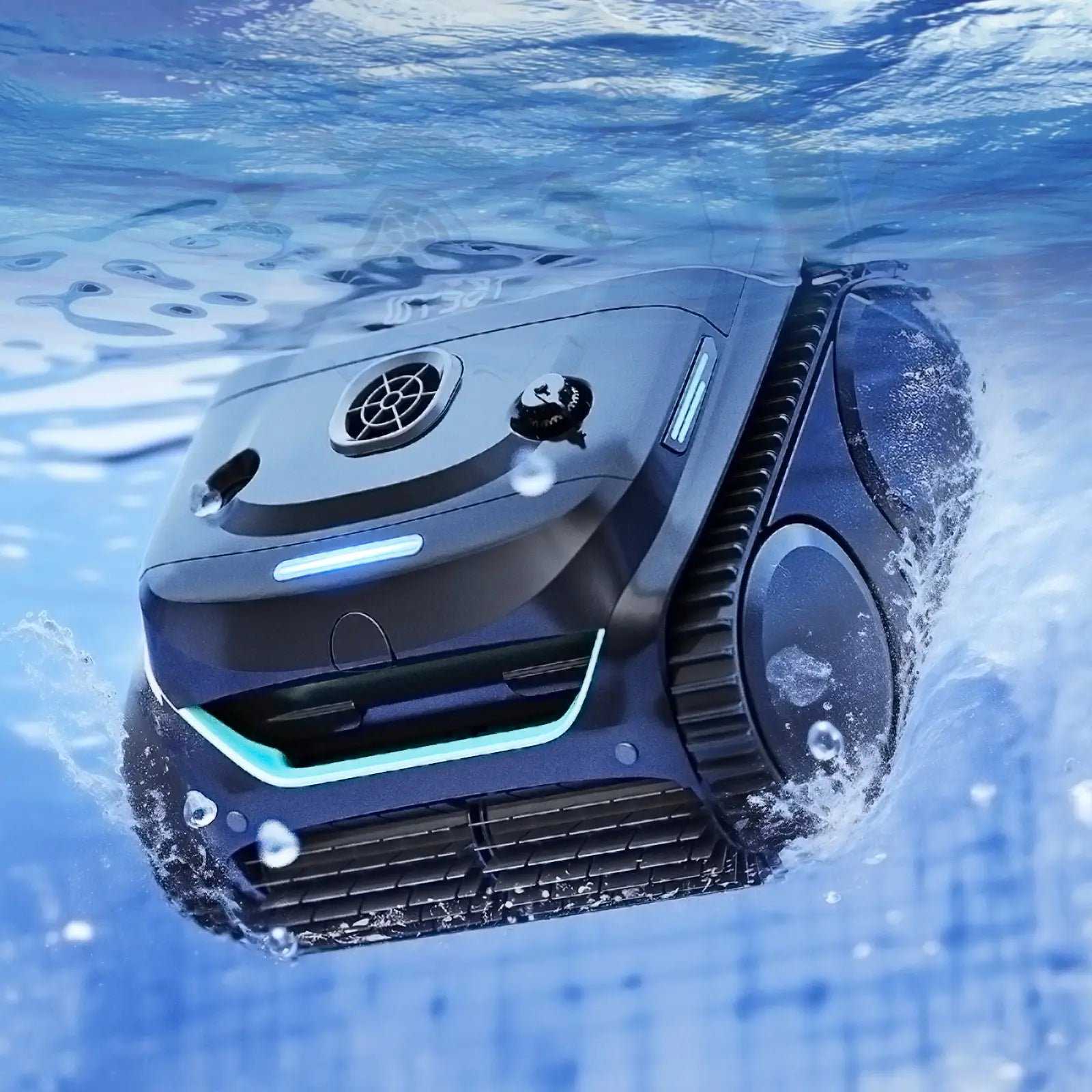
Tools & Supplies You'll Need

Still need help? Ask a Pool & Spa Expert AD
Get a personalized answer from PoolGuy810 — 30 years owning a pool and spa repair company. Describe your issue and get step-by-step help.
Related Pool Guides
Need More Help?
Try our free pool calculators and tools to help diagnose and fix your pool problems.
Browse Pool ToolsSLAM calculator, pH calculator, salt dosing & more