
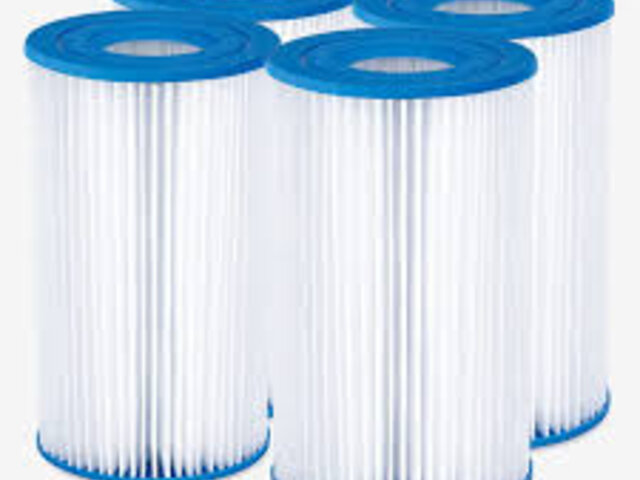
Can Pool Filter Pressure Be Too Low? Diagnosis & Solutions

Low pressure reading on my pool filter - is this actually a problem?
Read full question
Found out from my wife that our pool filter pressure gauge has been stuck at a weirdly low 6-7 PSI all week and now I can't stop obsessing over it. My 20,000 gallon inground pool has been running fine otherwise, but I'm wondering if this low pressure is something I should be concerned about.
I've heard people talk about high filter pressure being bad, but nobody ever mentions if pressure can be too low. The pump seems to be running, but I'm not sure if the water flow looks as strong as it used to be. Water chemistry has been balanced - chlorine at 2.5 ppm, pH at 7.4, and alkalinity at 110 ppm. Should I be worried about this low pressure reading, and what could be causing it?
Quick Answer
Yes, pool filter pressure can be too low, typically indicating restricted water flow from clogged impellers, air leaks, closed valves, or pump problems. Normal pressure ranges from 8-25 PSI depending on your system.
First, Let's Diagnose the Problem
Low filter pressure almost always means water isn't flowing properly through your system. This creates a cascade of problems: poor circulation, inadequate filtration, chemical distribution issues, and potential equipment damage. Before jumping to solutions, we need to identify what's blocking or restricting your water flow.
Start by checking your baseline pressure and ensuring proper water level - water should be at the middle of your skimmer opening. Low water level is a common cause of low pressure. When you have a clean filter and everything running normally, note the pressure reading on your gauge. This is your system's "clean" pressure. If your current pressure is 5+ PSI below this baseline, you have a flow restriction problem.
Initial System Check
Walk around your pool equipment and look for obvious issues. Check if water is returning to your pool through all return jets. Weak or absent flow from returns confirms a circulation problem. Listen to your pump - unusual noises, cavitation sounds, or labored operation all point to flow restrictions.
Common Causes and Solutions
1. Clogged Pump Basket and Skimmer Baskets
The most common culprit is debris blocking water intake. Turn off your pump and remove the pump basket - it should lift out easily when clean. A basket packed with leaves, hair, or debris severely restricts flow. Clean thoroughly and check the skimmer baskets too. Even partial blockages can drop pressure significantly.
Safety Warning: Always turn off power at the breaker before opening pump housing or handling electrical components.
2. Clogged or Damaged Impeller
If baskets are clean but pressure remains low, your pump impeller may be clogged. Hair, string, and small debris can wrap around the impeller blades, reducing pumping efficiency. This requires removing the pump housing front cover to access the impeller.
Remove any visible debris carefully. Sometimes you'll need to rotate the impeller manually to clear wrapped material. A damaged impeller with broken or worn blades needs replacement and typically requires professional service. After any impeller maintenance, always prime the pump before restarting.
3. Air Leaks in Suction Lines
Air entering your suction system reduces pumping efficiency and lowers pressure. Check all visible plumbing connections, pump lid O-ring, and union fittings. Look for water leaks when the pump is off - areas that leak water often suck air when running.
The pump lid O-ring is a frequent failure point. Remove the lid, clean the O-ring and seating surface, then apply a thin layer of silicone lubricant. Replace cracked or flattened O-rings immediately.
4. Closed or Partially Closed Valves
Walk your plumbing system and verify all valves are properly positioned. Skimmer/main drain valves should be open according to your normal operation. Suction-side valves (skimmer/main drain) should be open per your normal setup — a partially closed suction valve starves the pump and drops pressure. (Note: a closed return-side valve raises pressure instead, so it isn't a low-pressure cause.)
Multiport valves on sand and DE filters can stick between positions. Ensure the handle aligns properly with "Filter" position. If the valve feels loose or doesn't click into position, the internal spider gasket (the internal diverter seal) may need replacement.
5. Undersized or Failing Pump
Sometimes low pressure indicates your pump simply can't move enough water for your system. This happens with older pumps losing efficiency, or when equipment has been changed without considering flow requirements.
Variable speed pumps running at very low RPMs will show low pressure. Check your programming - you need sufficient speed to maintain proper circulation and filtration. Most pools require at least 1500-2000 RPM for adequate flow.
Filter-Specific Issues
Sand Filters
Old sand (over 5-7 years) can channel and bypass, reducing effective filtration area and causing low pressure. Sand should be replaced completely, not just topped off. Consider upgrading to glass media or ZeoSand for better performance.
Cartridge Filters
Keep in mind that a dirty cartridge raises filter pressure, it doesn't lower it — clogged media is a high-pressure symptom, not a low-pressure cause. If your reading is low, the filter element is rarely the culprit; focus on the suction-side checks above. Rotate cartridges weekly during heavy use seasons. Deep clean with cartridge cleaner every 2-3 cleanings, and replace cartridge elements every 2-5 years depending on bather load.
DE Filters
Missing or damaged filter grids allow DE powder to pass through, potentially clogging downstream plumbing. Inspect grids during cleaning - any tears or loose fabric needs immediate attention. Always use the correct amount of DE powder - too little reduces efficiency, too much can cause flow restrictions.
Systematic Troubleshooting Approach
- Record current pressure reading and compare to your clean baseline
- Confirm the gauge itself is working — a gauge stuck at one reading all week is often simply dead; unscrew, clean, or replace it (they're cheap and fail often)
- Check and clean all baskets (skimmer and pump)
- Inspect pump lid O-ring and housing for air leaks
- Verify all valves are fully open and properly positioned
- Listen for unusual pump sounds indicating cavitation or restriction
- Check return jet flow strength throughout the pool
- If pressure remains low, inspect impeller for clogs or damage
- Consider professional diagnosis for internal plumbing blockages
Prevention and Maintenance
Maintain proper water chemistry to prevent scale buildup in plumbing. Keep pH between 7.2-7.6 and calcium hardness at 250-350 ppm for plaster/concrete pools (175-225 ppm for vinyl or fiberglass). Weekly basket cleaning and monthly equipment inspection catch problems early.
Track your pressure readings over time. Gradual pressure drops often indicate developing problems before they become serious. Sudden pressure changes usually mean immediate attention is needed.
Remember: Low pressure is just as problematic as high pressure. Both indicate your filtration system isn't operating efficiently, leading to poor water quality and potential equipment damage if left unaddressed.
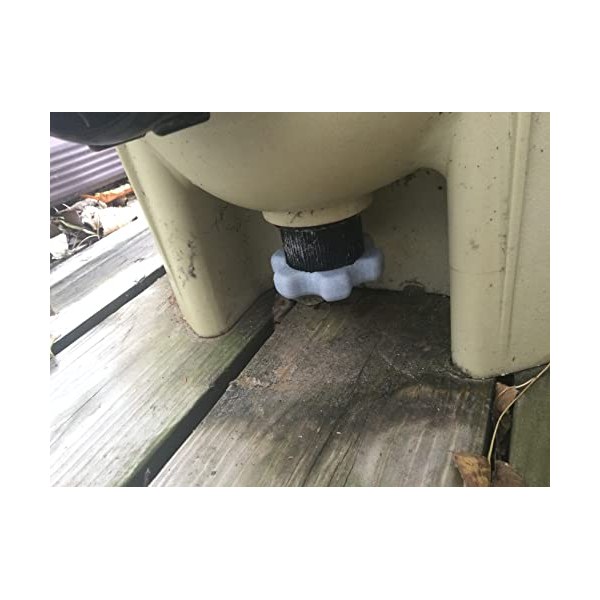 Filter Drain Plug Wrench (Pentair Clean & Clear/FNS)
Grips the drain plug on Pentair Clean & Clear and FNS filters. View on Amazon →
Filter Drain Plug Wrench (Pentair Clean & Clear/FNS)
Grips the drain plug on Pentair Clean & Clear and FNS filters. View on Amazon →
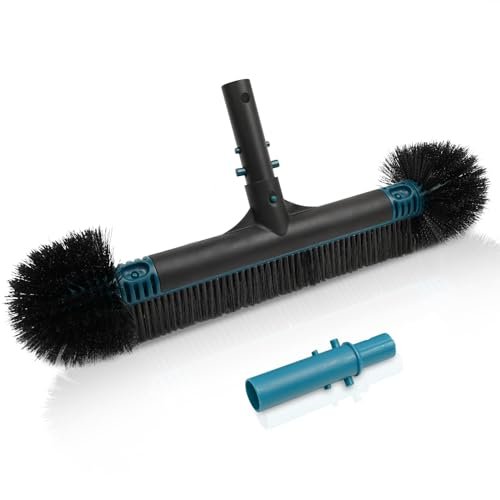 Poolvio 20" 2-in-1 Pool Brush Head (Walls & Floor)
Sturdy 20-inch brush head that clips onto any standard telescopic pole. View on Amazon →
Poolvio 20" 2-in-1 Pool Brush Head (Walls & Floor)
Sturdy 20-inch brush head that clips onto any standard telescopic pole. View on Amazon →
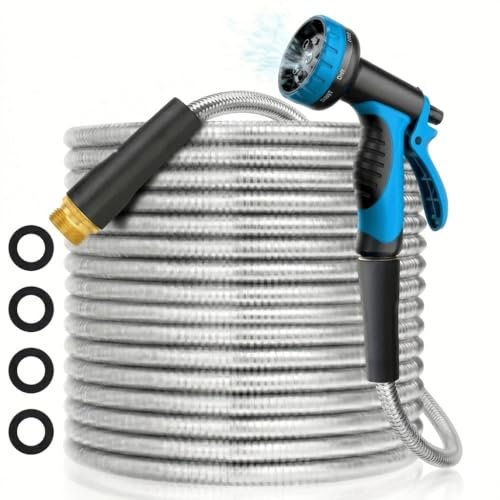 50 ft Flexible Metal Garden Hose (Kink-Free)
Durable hose for filling, priming, and rinsing equipment. View on Amazon →
50 ft Flexible Metal Garden Hose (Kink-Free)
Durable hose for filling, priming, and rinsing equipment. View on Amazon →
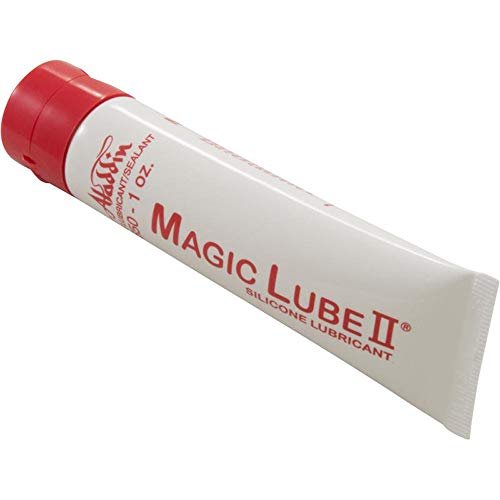 Aladdin Magic Lube II — Pool O-Ring & Gasket Silicone Lubricant (1 oz)
Waterproof silicone lube that keeps pump-lid and valve O-rings sealed and pliable — the usual cure for lost prime. View on Amazon →
Aladdin Magic Lube II — Pool O-Ring & Gasket Silicone Lubricant (1 oz)
Waterproof silicone lube that keeps pump-lid and valve O-rings sealed and pliable — the usual cure for lost prime. View on Amazon →
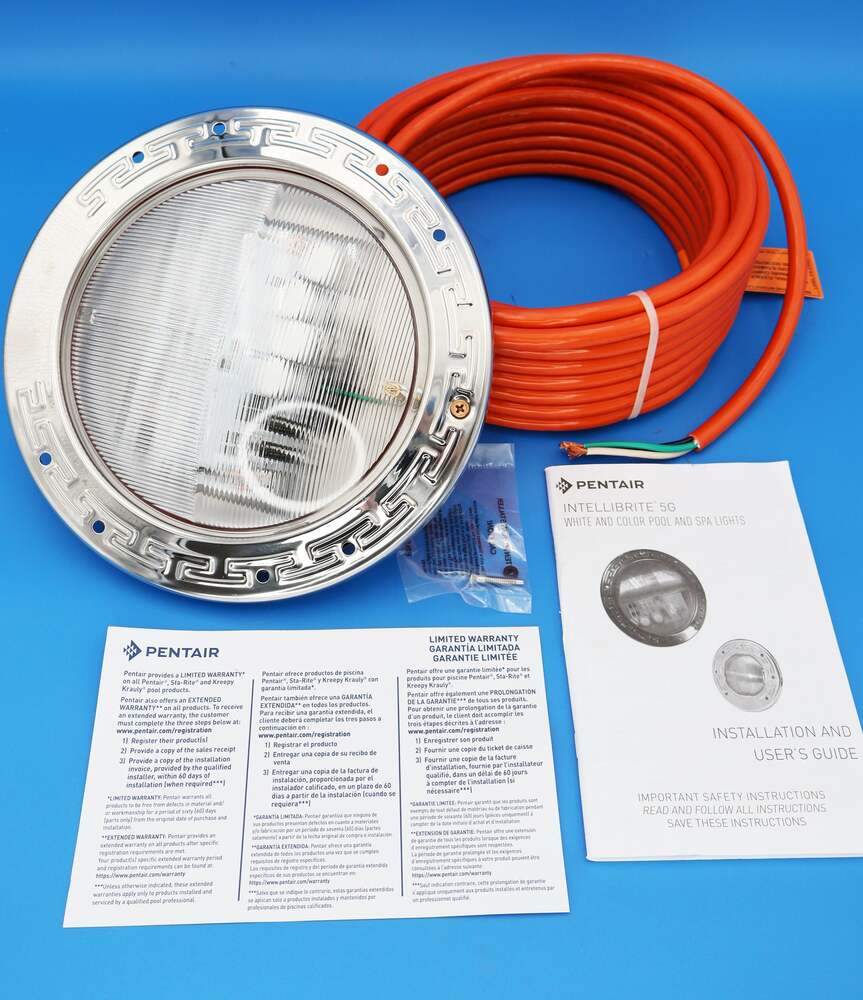
Still need help? Ask a Pool & Spa Expert AD
Get a personalized answer from PoolGuy810 — 30 years owning a pool and spa repair company. Describe your issue and get step-by-step help.
Related Pool Guides
Need More Help?
Try our free pool calculators and tools to help diagnose and fix your pool problems.
Browse Pool ToolsSLAM calculator, pH calculator, salt dosing & more