

Can Pool Chlorine Damage Eyes? Safety Tips & Prevention

Is swimming pool chlorine harmful to your eyes?
Read full question
Before I dump more chlorine in my pool, I need to know if I'm about to blind myself since this is my first time handling chemicals. My eyes always get red and irritated after swimming, and I'm wondering if the chlorine levels I'm maintaining could be causing damage. I don't want to pay for expensive pool service calls if I can handle this myself, but I also don't want to risk permanent eye problems. Should I be concerned about chlorine harming my vision, and are there ways to protect myself without spending a fortune on equipment?
Quick Answer
Pool chlorine can cause eye irritation but rarely permanent damage when levels are properly maintained. Red, burning eyes usually indicate chlorine imbalance or chloramines rather than actual chlorine levels being too high.
Understanding Chlorine's Effects on Your Eyes
Consider this a warning sign — that burning, stinging sensation in your eyes after swimming usually means the water chemistry is off — most often chloramines or a pH imbalance — and it is easily corrected. The burning, red eyes you're experiencing are typically your body's way of telling you that something is off with your water chemistry - and it's usually fixable without professional help.
The most common culprit isn't actually high chlorine levels, but rather chloramines - the byproducts created when chlorine combines with contaminants like sweat, oils, and organic matter. These chloramines are what create that strong "chlorine smell" and cause the worst eye irritation.
What Causes Eye Problems in Pools
Several water chemistry issues can lead to eye irritation, and identifying the root cause will help you fix it cost-effectively:
- pH imbalance: When pH rises above 7.6, chlorine becomes less effective and more irritating
- Chloramine buildup: Old, used-up chlorine that hasn't been properly oxidized
- Low free chlorine: Insufficient sanitization allowing contaminants to accumulate
- High total chlorine vs. free chlorine: Indicating chloramine presence
You can diagnose these issues yourself using a quality test kit. I'd recommend checking out our complete water chemistry guide to understand the relationships between these factors.
The pH Connection
One of the most overlooked factors is pH level. Your eyes have a natural pH of approximately 7.4, so when pool water strays far from this range, irritation increases dramatically. High pH shifts chlorine toward its weaker form, and water far from the eye's natural ~7.4 pH can sting—though combined chlorine (chloramines) is the bigger eye irritant.
When Chlorine Becomes Dangerous
While eye irritation is common and usually harmless, there are situations where chlorine exposure can cause more serious problems:
- Chemical accidents: Direct contact with concentrated chlorine products
- Extremely high chlorine levels: Free chlorine well above the safe-swim cap of about 10 ppm (note: during a SLAMShock Level And Maintain — raise free chlorine to a target based on your CYA and hold it there until the algae is gone. It's a process, not a one-time dose. the SLAM walkthrough → you intentionally hold higher levels, which is still safe to swim)
- Indoor pools with poor ventilation: Chloramine gas buildup
- Shock treatment exposure: Swimming too soon after adding chemicals
For normal swimming and maintenance activities, properly balanced pool water with free chlorine at the right level for your CYACyanuric Acid (stabilizer) — Sunscreen for your chlorine — it keeps sunlight from burning it off. The catch: the more you have, the more chlorine you need to keep. learn more → (typically 4-8 ppm for a stabilized outdoor pool) should not cause lasting eye damage.
DIY Solutions to Protect Your Eyes
Since you're focused on keeping costs down, here are budget-friendly approaches to minimize eye irritation:
Fix Your Water Chemistry
Start with proper testing and balancing - this solves most eye irritation issues without expensive equipment:
- Test and adjust pH to 7.2-7.4 using our pH calculator
- Maintain free chlorine at the right level for your CYA (typically 4-8 ppm for a stabilized outdoor pool)
- If total chlorine exceeds free chlorine by more than 0.5 ppm, you need to break down chloramines
- Shock (SLAM) only when combined chlorine climbs above 0.5 ppm or a problem appears — routine weekly shocking isn't necessary in a properly maintained pool
Maintenance Practices
These simple habits cost nothing but prevent most chemistry problems:
- Shower before swimming to reduce organic load
- Run your pump and filter adequate hours daily (consult your equipment manual for recommended run times)
- Brush and skim regularly to remove debris
- Never mix different chlorine products
Personal Protection
When handling chemicals, basic safety gear is inexpensive and effective:
- Safety glasses when adding chemicals
- Swim goggles if you're sensitive to water
- Add chemicals with pump running and stay upwind
- Wait appropriate time after chemical additions before swimming
Breaking Down Chloramines
If testing reveals chloramine buildup (combined chlorine), you'll need to shock the pool. This process, sometimes called SLAM, destroys chloramines and often eliminates eye irritation completely. The amount needed depends on your combined chlorine reading - typically you'll need to raise the free chlorine to the shock level for your CYA (about 40% of CYA) and hold it until combined chlorine is below 0.5 ppm. Use our all-in-one pool calculator to determine the correct shock level for your pool.
When to Seek Professional Help
While most eye irritation from pools is preventable with proper chemistry, consider professional consultation if:
- You consistently can't maintain proper water balance
- Eye irritation persists despite correct chemistry
- You experience severe reactions or vision changes
- Your equipment isn't functioning properly
Remember that persistent water chemistry problems often indicate equipment issues like inadequate filtration or circulation, which may require professional diagnosis to solve cost-effectively in the long run.
 Taylor K-2006C Complete FAS-DPD Pool & Spa Test Kit
The FAS-DPD kit pool pros trust — reads chlorine accurately even at shock/SLAM levels, plus pH, alkalinity, calcium hardness and CYA. View on Amazon →
Taylor K-2006C Complete FAS-DPD Pool & Spa Test Kit
The FAS-DPD kit pool pros trust — reads chlorine accurately even at shock/SLAM levels, plus pH, alkalinity, calcium hardness and CYA. View on Amazon →
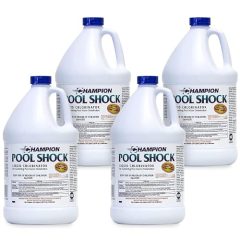 Liquid Chlorine / Sodium Hypochlorite (12.5%)
Everyday sanitizer — the B in BBB View on Amazon →
Liquid Chlorine / Sodium Hypochlorite (12.5%)
Everyday sanitizer — the B in BBB View on Amazon →
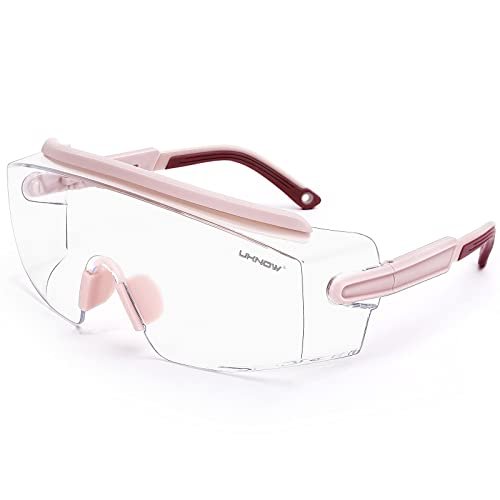 UKNOW Anti-Fog Chemical Splash Safety Goggles
Sealed splash goggles for handling muriatic acid and chlorine. View on Amazon →
UKNOW Anti-Fog Chemical Splash Safety Goggles
Sealed splash goggles for handling muriatic acid and chlorine. View on Amazon →
Still need help? Ask a Pool & Spa Expert AD
Get a personalized answer from PoolGuy810 — 30 years owning a pool and spa repair company. Describe your issue and get step-by-step help.
Related Pool Guides
Need More Help?
Try our free pool calculators and tools to help diagnose and fix your pool problems.
Browse Pool ToolsSLAM calculator, pH calculator, salt dosing & more