
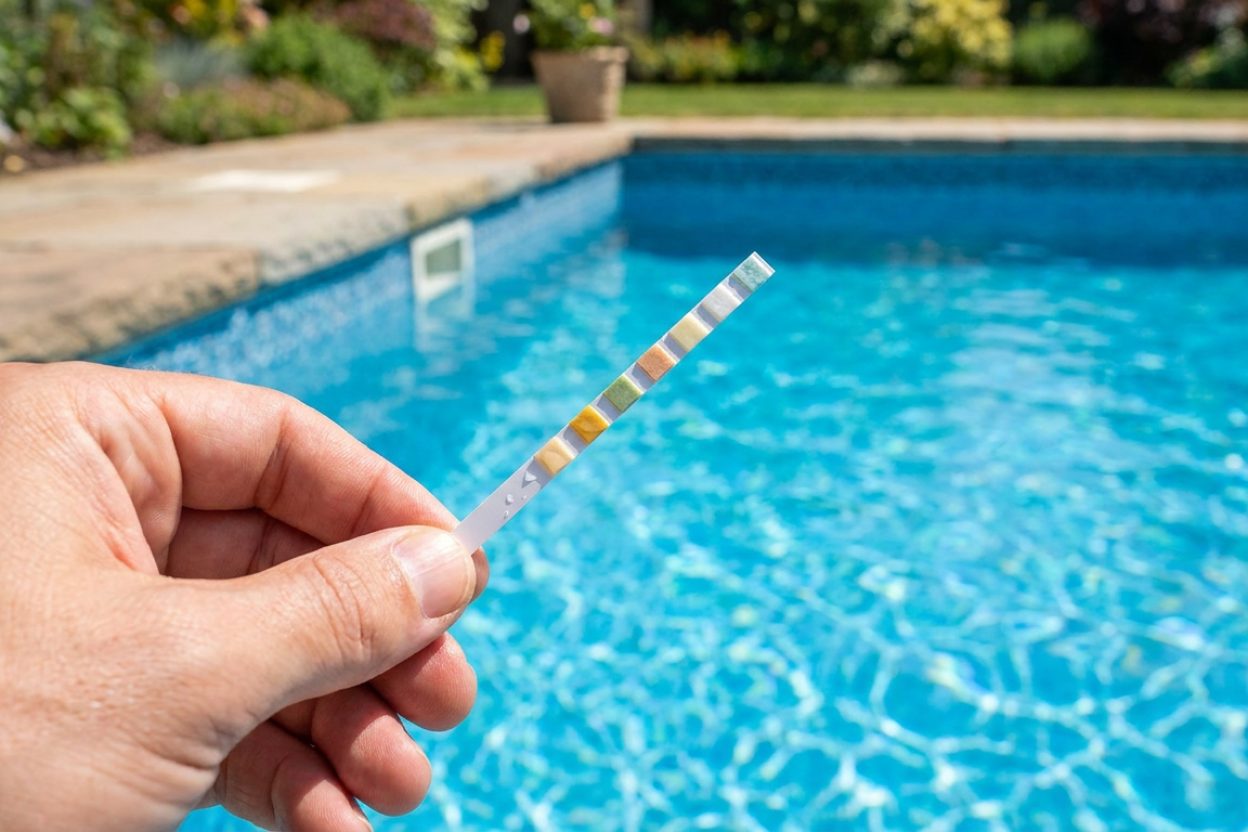
Does My Pool Need Calcium Hardness? Essential Guide

Should I be monitoring calcium hardness in my 2019 fiberglass pool?
Read full question
Called the pool store about my new place and they're saying my calcium hardness levels from March's water test are completely out of whack. For the past three years, I've been diligent about testing chlorine, pH, and alkalinity weekly using test strips, but I've never paid attention to calcium hardness levels. My pool store mentioned it during my last water analysis visit in March, but I honestly wasn't sure if it was just an upsell.
Recently, I've noticed some minor scaling around the waterline tiles and my pool cleaner seems to be working harder than usual. The pool is located in Phoenix, Arizona, so we deal with hard water from the tap and intense evaporation during summer months. I top off the water about twice a week during peak season. Should calcium hardness be something I'm actively managing, or is it less critical for fiberglass pools compared to plaster finishes?
Quick Answer
Whether your pool needs calcium depends on the surface. Plaster/gunite pools need it (250-350 ppm) because low-calcium water etches the plaster. Vinyl and fiberglass pools don't need calcium for the surface — keep a modest 175-225 ppm mainly to protect a heater (many fiberglass makers prefer it even lower) and balance the water, and avoid high levels that scale. It's a water-balance parameter, not a sanitizer.
Calcium Hardness: It Depends on Your Pool's Surface
The short answer: it depends on your pool's surface. A plaster, gunite or concrete pool genuinely needs calcium, because low-calcium water dissolves calcium right out of the plaster (etching). A vinyl or fiberglass pool has no calcium in its surface, so it doesn't need calcium for the surface — there you keep a modest amount mainly to protect a heater and balance the water, and mostly just avoid letting it get too high. In a plaster pool, water without adequate calcium becomes aggressive and pulls calcium from the plaster and grout; in any pool, very aggressive (under-saturated) water can also corrode metal equipment and plumbing. This leads to expensive damage including etched plaster, corroded metal components, and premature equipment failure.
What Is Calcium Hardness?
Calcium hardness refers to the amount of dissolved calcium in your pool water. It's measured in parts per million (ppm) and represents the concentration of calcium carbonate. This mineral plays a crucial role in water balance and helps protect your pool infrastructure from chemical damage.
Ideal Calcium Hardness Levels
The recommended calcium hardness range varies by pool type:
- Plaster pools: 250-350 ppm
- Vinyl liner pools: 175-225 ppm
- Fiberglass pools: 175-225 ppm (like vinyl, fiberglass has no calcium-bearing surface, so a modest level is enough for water balance)
- Tile/aggregate pools: 250-350 ppm
Maintaining levels within these ranges ensures optimal water balance and equipment protection.
Need to Adjust Your Calcium?
Use our free calculator to estimate how much calcium chloride to add based on your pool size and current levels.
Calculate Calcium Hardness →Testing Calcium Hardness
Step-by-Step Testing Process
- Collect a water sample from 12-18 inches below the surface, away from return jets
- Use your chosen testing method immediately for quick estimates
- Follow the specific instructions for your test kit or strips
- Record the results and compare to recommended ranges
- Test calcium hardness monthly during swimming season
Consequences of Improper Calcium Hardness
Low Calcium Hardness (Under Range)
When calcium hardness is too low, your water becomes corrosive and will cause:
- Etching and pitting of plaster surfaces
- Corrosion of metal equipment (heaters, pumps, ladders)
- Damage to grout and tile
- Premature failure of pool equipment
- Staining of pool surfaces
High Calcium Hardness (Over Range)
Excessive calcium hardness leads to scale formation and causes:
- Cloudy, milky water appearance
- Scale buildup on surfaces and equipment
- Reduced equipment efficiency
- Rough, uncomfortable pool surfaces
- Clogged filters and plumbing
How to Raise Calcium Hardness
Step-by-Step Process
- Calculate the amount of calcium chloride needed based on your pool volume and current levels
- Purchase calcium chloride (calcium hardness increaser) from a pool supply store
- Dissolve the chemical in a bucket of pool water before adding to the pool
- Add the solution slowly around the pool perimeter with circulation running
- Wait 4-6 hours before retesting (verify recommended wait time for your specific product)
- Repeat if necessary to reach target range
Important: Never add calcium chloride directly to the pool without dissolving first, as it can damage surfaces. WARNING: Always wear safety goggles and gloves when handling calcium chloride. Add chemical to water (never water to chemical) as the dissolving process generates heat. Work in well-ventilated area and avoid inhaling dust.
How to Lower Calcium Hardness
Reducing calcium hardness is more challenging and typically requires:
- Partial water replacement: Drain and refill portion of pool with fresh water
- Reverse osmosis treatment: Professional service that filters existing water
- Sequestering agents: Temporary solution that binds calcium but doesn't remove it
Partial Water Replacement Process
- Test your fill water's calcium hardness first
- Calculate what percentage of water needs replacement
- Drain the calculated amount safely following local regulations
- Refill with fresh water
- Rebalance all other chemical parameters
- Retest calcium hardness after 24 hours (or per manufacturer recommendations)
Preventing Calcium Hardness Problems
Regular Maintenance Tips
- Test calcium hardness monthly during swimming season
- Know your fill water's calcium content
- Maintain proper pH and alkalinity levels
- Keep detailed records of chemical additions
- Address issues promptly before damage occurs
Seasonal Considerations
Calcium hardness can fluctuate due to:
- Evaporation concentrating minerals
- Addition of chemicals that affect water balance
- Heavy rain diluting calcium levels
- Pool equipment adding or removing calcium
Troubleshooting Common Issues
Calcium Hardness Won't Stabilize
If levels keep fluctuating:
- Check if your fill water source has changed
- Verify test kit accuracy with fresh reagents
- Ensure proper circulation during chemical additions
- Consider professional water analysis
Scale Formation Despite Proper Levels
Scale can still form if:
- pH is consistently too high
- Total alkalinity is out of range
- Water temperature is elevated
 Taylor K-2006C Complete FAS-DPD Pool & Spa Test Kit
The FAS-DPD kit pool pros trust — reads chlorine accurately even at shock/SLAM levels, plus pH, alkalinity, calcium hardness and CYA. View on Amazon →
Taylor K-2006C Complete FAS-DPD Pool & Spa Test Kit
The FAS-DPD kit pool pros trust — reads chlorine accurately even at shock/SLAM levels, plus pH, alkalinity, calcium hardness and CYA. View on Amazon →
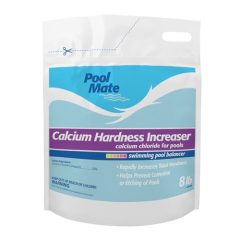 Calcium Chloride — Calcium Hardness Up
Raises calcium hardness (plaster pools) View on Amazon →
Calcium Chloride — Calcium Hardness Up
Raises calcium hardness (plaster pools) View on Amazon →
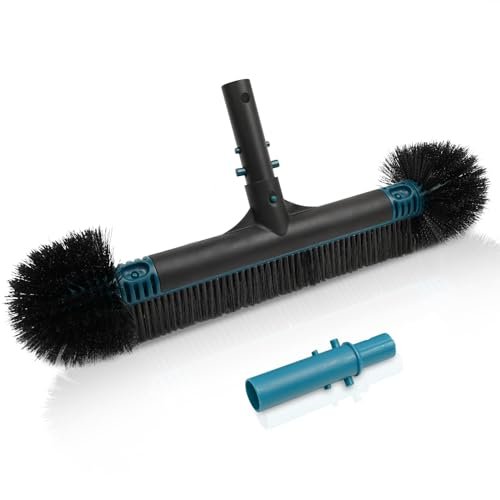 Poolvio 20" 2-in-1 Pool Brush Head (Walls & Floor)
Sturdy 20-inch brush head that clips onto any standard telescopic pole. View on Amazon →
Poolvio 20" 2-in-1 Pool Brush Head (Walls & Floor)
Sturdy 20-inch brush head that clips onto any standard telescopic pole. View on Amazon →
Still need help? Ask a Pool & Spa Expert AD
Get a personalized answer from PoolGuy810 — 30 years owning a pool and spa repair company. Describe your issue and get step-by-step help.
Related Pool Guides
Need More Help?
Try our free pool calculators and tools to help diagnose and fix your pool problems.
Browse Pool ToolsSLAM calculator, pH calculator, salt dosing & more