
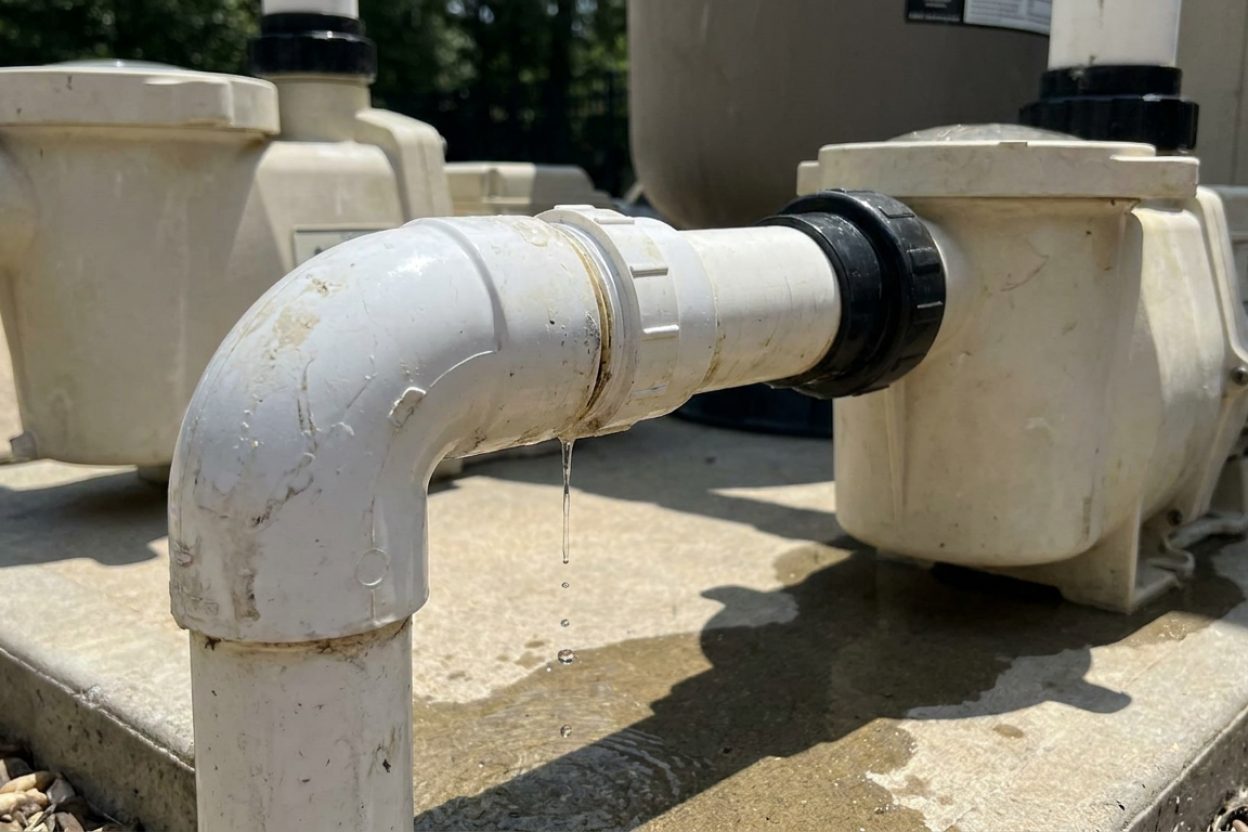
J-B Weld WaterWeld on Leaking Pool PVC Joint

Can J-B Weld WaterWeld Patch a Leaking PVC Pool Joint?
Read full question
During the estimate call, my pool guy quoted me close to $200 to cut out and re-plumb a leaking glued PVC joint right at my pump — and honestly that feels steep for what looks like a tiny weeping drip. I picked up a stick of J-B Weld WaterWeld (the 8277 epoxy putty) at Home Depot for about nine bucks, and I'm wondering if I can just knead it up and pack it around that joint myself instead of paying someone else to do it.
My main questions are: will this stuff actually hold against the water pressure a pool pump puts out, and do I need to completely shut the system down and dry the pipe before applying it? I know it says 'cures underwater' on the package, but I want to make sure I'm not just wasting my time with a fix that'll blow off the minute I fire the pump back up.
Is this a real repair I can count on, or am I just buying myself a little time before I have to do the full re-glue job anyway? Happy to do the proper fix eventually, but if this buys me a season I'm all for it.
Quick Answer
J-B Weld WaterWeld (product 8277) can stop a weeping PVC pool joint leak and will handle typical pool pump pressures easily — it's rated to 500 psi, far above what a residential pool pump produces. That said, it's best treated as a strong temporary patch rather than a permanent solution; the joint should eventually be properly re-glued or replaced with solvent-welded PVC for a lasting, code-appropriate fix.
The Short Version: Yes, But Think of It as a Very Good Band-Aid
Good news — that WaterWeld stick was money well spent. J-B Weld WaterWeld really can stop that weeping joint leak, and it'll hold up to pool pump pressure without breaking a sweat. The putty is rated to handle pressures and temperatures far exceeding what a typical residential pool pump produces — check the current J-B Weld product page for the latest published ratings. So on the pressure question alone, you're covered.
That said, many pool owners and plumbing folks are pretty consistent on this point: WaterWeld is a very capable temporary fix, not a permanent replacement for a properly solvent-welded PVC joint. Think of it as buying yourself a season (or more) while you plan the real repair, rather than closing the book on the problem entirely. With realistic expectations going in, you'll be happy with the result.
Before You Mix Anything — Prep Is Everything
This is where most DIY epoxy patches fail, and it has nothing to do with the product itself. The putty needs the cleanest, driest surface you can reasonably give it.
- Shut the pump off. Shut the pump off and, if your system has isolation valves, close the nearest one to the leak. On the suction side especially, the pipe is under negative pressure (vacuum) while the pump runs rather than positive pressure — the repair approach is the same, but knowing this helps explain why that joint leaks the way it does. Let the system settle for a minute before working.
- Dry the pipe surface as best you can. WaterWeld technically cures even underwater, but adhesion is noticeably better on a surface that isn't actively wet. Wipe down the joint and surrounding pipe with a clean rag. If you can give it even 10–15 minutes of drying time, do it.
- Rough up the surface lightly. A quick pass with 80-grit sandpaper around the joint gives the epoxy something to grip. Wipe away any dust or debris afterward.
- No oils, sunscreen, or pool chemical residue. Wipe the area with isopropyl alcohol if you have it handy — any surface contamination is the enemy of a good bond.
How to Apply It Correctly
The application process is straightforward, but working quickly once you start kneading matters.
- Cut off what you need. For a joint leak, a chunk roughly the size of a golf ball or a bit smaller is usually enough to build a good collar around the fitting. You can always add more, so start conservatively.
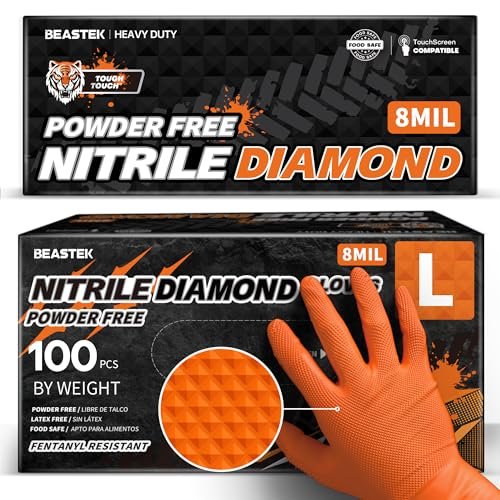
- Knead until the color is fully uniform. The putty has two components — a core and an outer layer — and you need to work it with your fingers until there are absolutely no streaks or marbling. This typically takes about 1–2 minutes. Note: wear nitrile gloves — the uncured epoxy can irritate skin with prolonged contact.
- Work fast. You have roughly 15–25 minutes of working time before it starts setting — less in warm weather, possibly a bit more in cool conditions. Don't push past the first 15 minutes if you can help it.
- Pack it firmly around the joint. Press it into any visible gap first, then build up a collar that extends about an inch onto the pipe on both sides of the fitting. Smooth it down and press firmly to eliminate air pockets.
- Let it cure before restarting the pump. The putty reaches initial hardness in about one hour, but J-B Weld recommends confirming current cure times on the product packaging — and when in doubt, waiting a full two hours before restoring pump pressure gives the epoxy the best chance to fully set. Resist the temptation to check it at 20 minutes.
What to Expect After the Pump Restarts
Once cured, WaterWeld develops substantial tensile strength — well above what residential pool plumbing demands. The manufacturer's published specs confirm it's more than capable of handling typical pool pump pressures. If the prep was solid and the putty was fully kneaded, you should be looking at a dry joint when the pump kicks on. Keep an eye on it for the first few run cycles just to confirm.
If there's still a small seep after the first test, don't panic. You can add another layer of WaterWeld over the cured patch — the product bonds well to itself. Just clean and dry the area again first.
The Honest Long-Term Picture
Here's the thing nobody loves to hear: a weeping glued PVC joint almost always means the original solvent weld was either improperly done, the pipe moved before the cement fully cured, or the fitting has microcracks from age or chemical exposure. The WaterWeld patch surrounds the problem from the outside, but it doesn't restore the integrity of the original joint itself.
For most pool owners who prep carefully, the WaterWeld patch holds reliably — many report it lasting through at least a full season, though results vary with UV exposure, water chemistry aggressiveness, and how well the surface was prepped. On the suction side right at the pump (which is where you mentioned the leak is), the fitting experiences a bit more stress, so it's worth monitoring more closely and scheduling the proper re-glue job before next season if you can manage it.
When you're ready to do the permanent fix, the right approach is to cut the joint out with a PVC pipe cutter, install a slip coupling or rebuild the connection with fresh fittings, primer, and PVC solvent cement. It's more involved, but it's the repair that actually solves the problem rather than containing it.
For everything else going on with your pool equipment while you're out there, our pool water chemistry guide is a great resource to make sure the chemical side of things stays balanced — aggressive water chemistry can accelerate PVC joint wear over time, so it's worth a read.
Quick Recap: What You'll Need
- J-B Weld WaterWeld Epoxy Putty (2 oz stick, available at Home Depot, Lowe's, or Amazon)
- Nitrile gloves
- Clean rags or paper towels
- 80-grit sandpaper
- Isopropyl alcohol (optional but helpful)
- About 1–2 hours of patience for curing
Bottom line: go ahead and use what you bought. Prep the surface well, knead thoroughly, apply generously, and give it a full hour before turning that pump back on. It won't be the last word on that joint forever, but it'll almost certainly get you through the season — and the money you didn't spend on a plumber can stay in your pocket for now.
Still need help? Ask a Pool & Spa Expert AD
Get a personalized answer from PoolGuy810 — 30 years owning a pool and spa repair company. Describe your issue and get step-by-step help.
Need More Help?
Try our free pool calculators and tools to help diagnose and fix your pool problems.
Browse Pool ToolsSLAM calculator, pH calculator, salt dosing & more