
How to Find and Fix Pool Leaks: Complete Guide

Water level dropping daily in my 15-year-old inground pool - leak help?
Read full question
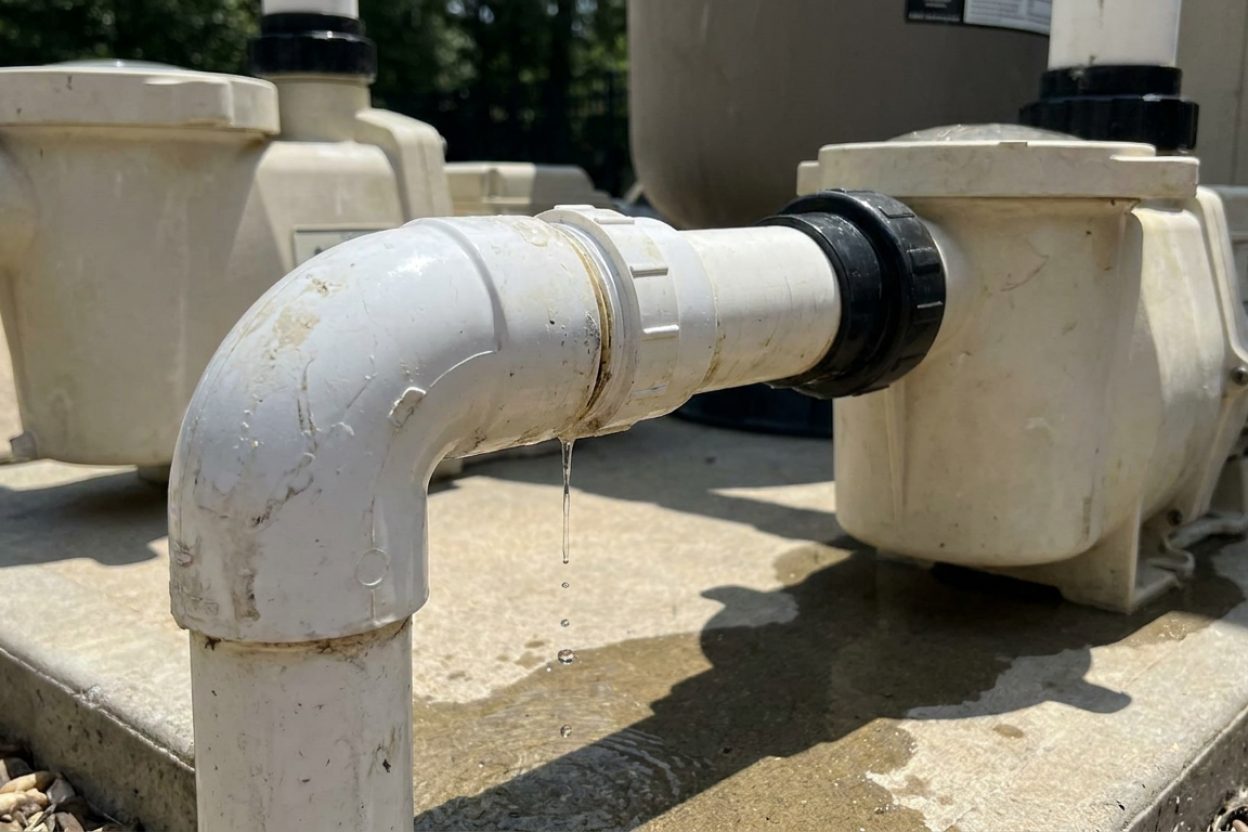
Between my wife's daily pool checks and my denial, she finally made me face the reality that our 2009 inground concrete pool is losing 2-3 inches every single day. It's not evaporation - we've had normal temperatures and humidity here in Ohio. I noticed some wet spots around the equipment pad yesterday, and there's a small crack I can see near the shallow end steps that wasn't there last season. The water level seems to stabilize when it gets down to just below the skimmer opening. I'm not sure if this is a plumbing leak, structural issue, or equipment problem. What's the best way to figure out where this leak is coming from and get it fixed?
Quick Answer
Start with a bucket test to confirm you have a leak, then use the dye test method around suspected areas. Most pool leaks occur at skimmers, returns, lights, or visible cracks and can often be repaired with underwater sealants or professional patching.
Start Here: Confirm You Actually Have a Leak
Stop — before you assume that dropping water level means you have a leak, check this simple test first to avoid wasting hundreds on unnecessary repairs. Fill a bucket with pool water and place it on your pool step, marking both the pool water level and bucket water level. After 24 hours, if the pool water dropped more than the bucket water, you've confirmed a leak.
If the water stabilizes at the skimmer level, you are likely dealing with a plumbing leak in the skimmer line or the skimmer itself - this is one of the most common leak locations.
Pinpoint the Leak Location
The dye test is your best friend for finding exact leak spots. You'll want to pick up some leak detection dye (food coloring works in a pinch) and test these high-probability areas first:
- Around the skimmer opening - Since your water stops dropping at this level
- That visible crack near the steps - Even small cracks can cause significant water loss
- Pool lights - The conduit and housing are common failure points
- Return jets - Check where they connect to the pool wall
Apply dye near suspected areas with the pump off. If the dye gets sucked toward a spot, you've found your leak.
Quick Fixes You Can Handle
For that crack you spotted, underwater pool sealant or pool putty can provide a temporary fix if it's small. Clean the area thoroughly, apply according to manufacturer directions, and allow proper curing time.
If the skimmer is the culprit, check if the skimmer basket housing has separated from the pool wall - this often happens as pools settle over time. Skimmer repair kits are available, though this repair typically requires draining the pool below the skimmer level.
When to Call for Professional Help
Those wet spots around your equipment pad likely indicate underground plumbing leaks, which require professional leak detection equipment and excavation. Similarly, if your dye test points to the main drain or deeper plumbing lines, you'll want expert help.
Structural cracks larger than hairline width, or any crack that continues growing, need professional assessment to prevent major damage to your pool shell.
Don't Let Small Leaks Become Big Problems
Pool leaks waste thousands of gallons and can undermine your pool's foundation if left unchecked. They can also affect your water chemistry since you may be constantly adding fresh water, which affects your overall water balance.
If you're dealing with multiple leak points or the leak is causing significant daily water loss, prioritize the largest leak first - often fixing the main culprit will dramatically reduce your water loss even if minor seepage remains elsewhere.
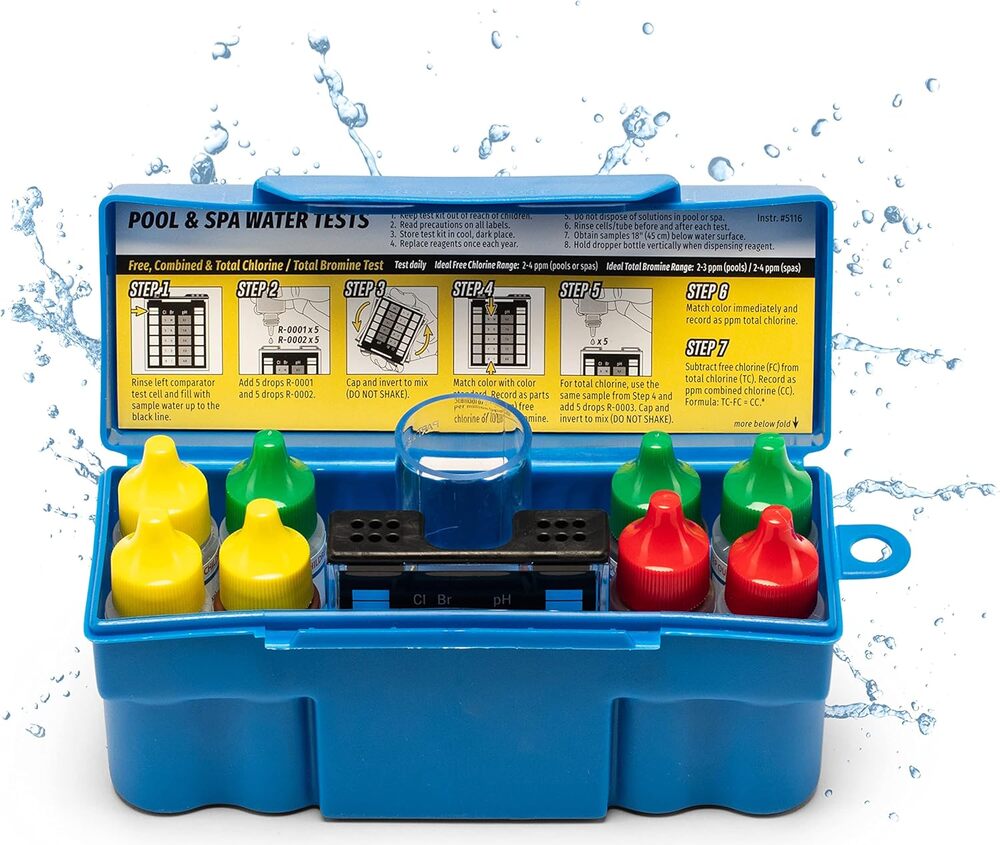
Still need help? Ask a Pool & Spa Expert AD
Get a personalized answer from PoolGuy810 — 30 years owning a pool and spa repair company. Describe your issue and get step-by-step help.
Need More Help?
Try our free pool calculators and tools to help diagnose and fix your pool problems.
Browse Pool ToolsSLAM calculator, pH calculator, salt dosing & more