
Do Inflatable Pools Need Chemicals? Complete Summer Guide

Should I add chemicals to my inflatable pool this summer?
Read full question
Nobody seems to agree on whether inflatable pools need chemical treatment! My neighbor insists that small pools don't need any chemicals since you can just dump and refill them weekly. The pool store salesperson tried selling me a whole starter kit with chlorine, pH strips, and shock treatment. Meanwhile, YouTube videos are split - some say just use a little bleach, others say chemicals are overkill for temporary pools. I've got a 12-foot inflatable that we'll be using all summer with the kids. The water's starting to look a bit cloudy after just a few days, so I'm wondering if I should bite the bullet and start treating it properly or stick with the drain-and-refill approach.
Quick Answer
Inflatable pools benefit from basic chemical treatment during peak summer season when used frequently. While small pools can be drained weekly, chemical maintenance becomes cost-effective and necessary for larger inflatable pools or extended summer use. Summer heat accelerates bacterial growth and algae formation. For pools larger than 8 feet across, hold free chlorine around 2–4 ppm if the water is unstabilized; 4–8 ppm applies only once you have added stabilizer to 30–50 ppm.
Summer Season Changes Everything
The answer to chemical treatment for inflatable pools depends heavily on the season and how you're using the pool. During peak summer months when temperatures soar and the pool sees daily use, basic chemical maintenance becomes both practical and necessary. However, late spring or early fall usage might allow for simpler approaches.
Summer heat accelerates bacterial growth and algae formation dramatically. What might stay clear for a week in cooler weather can turn cloudy or green within 2-3 days when temperatures hit the 80s and 90s. This is where understanding basic water chemistry principles helps you make the right decision for your situation.
When Chemicals Make Financial Sense
For inflatable pools larger than 8 feet in diameter, chemical treatment often costs less than constant water replacement during summer. A 12-foot round inflatable pool typically holds 1,500-2,000+ gallons depending on depth - that's a significant water bill if you're refilling weekly throughout a three-month swimming season.
I'd recommend starting with basic sanitization when daily temperatures consistently exceed 75°F and the pool gets regular use. You'll need liquid chlorine (unscented household bleach with 5.25-6% sodium hypochlorite works - always read labels, use in ventilated areas, and never mix with other chemicals), pH test strips, and a simple chlorine calculator to determine proper dosing for your pool size.
The Drain-and-Refill Breaking Point
Early summer or cooler climates might allow the drain-and-refill approach, but there's a clear breaking point where this becomes impractical. If you're draining more than once per week, or if the water turns cloudy within 48 hours of filling, chemical treatment becomes the better option.
Consider these seasonal factors that push toward chemical treatment:
- Daily temperatures consistently above 80°F (conditions may vary by location and pool setup)
- Pool usage more than 4 hours daily
- Multiple swimmers, especially children
- Difficulty accessing fresh fill water
- Local water restrictions during summer months
Simplified Summer Chemical Approach
You don't need the complex chemistry of a permanent pool, but basic sanitization prevents health issues and extends water life. Start with maintaining free chlorine at the right level for your stabilizer: about 2–4 ppm for a plain-bleach inflatable pool with no cyanuric acid, or 4–8 ppm only if you've added stabilizer to roughly 30 ppm (always follow manufacturer guidelines and local regulations) using liquid chlorine - avoid pool store "shock" products that often contain unnecessary additives for inflatable pools.
Test and adjust every 2-3 days during peak summer heat. The pool volume calculator helps estimate your gallonage for accurate chemical dosing. Most inflatable pools don't require pH adjustment if you're using reasonable amounts of liquid chlorine and have decent source water.
Hot Weather Maintenance Schedule
During summer's peak season, establish this routine:
- Test chlorine levels every other day
- Add small amounts of liquid chlorine to maintain about 2–4 ppm (or 4–8 ppm if you've stabilized the water with cyanuric acid)
- Remove debris daily with a simple net
- Consider partial water changes weekly (25-50%) rather than complete drains
End-of-Season Transitions
As temperatures drop below 75°F consistently (adjust based on your local conditions and usage patterns), you can often return to simpler maintenance or the drain-and-refill method. Bacterial growth slows significantly in cooler water, making chemical treatment less critical for casual use.
Late summer algae blooms are common due to accumulated organic matter and intense UV exposure. If your water turns green despite regular chlorination, a complete drain and fresh start often works better than trying to clear it chemically in an inflatable pool.
The key is matching your approach to the season and usage pattern. Peak summer heat and heavy use nearly always justify basic chemical treatment, while shoulder seasons offer more flexibility in your maintenance approach.
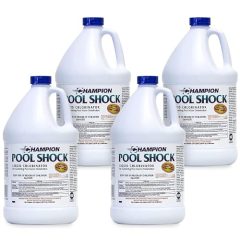 Liquid Chlorine / Sodium Hypochlorite (12.5%)
Everyday sanitizer — the B in BBB View on Amazon →
Liquid Chlorine / Sodium Hypochlorite (12.5%)
Everyday sanitizer — the B in BBB View on Amazon →
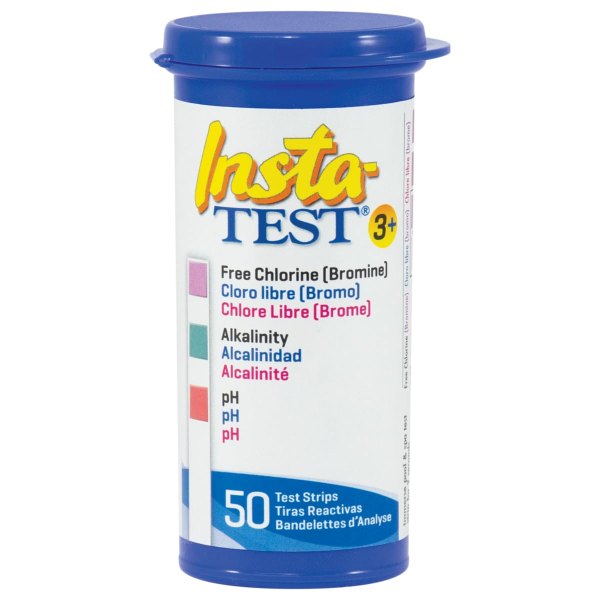 LaMotte Insta-Test 3 Pool Strips (50 ct)
Pro-grade 3-way strips from LaMotte — chlorine, pH & alkalinity, fast and accurate. Top-rated at 4.8★. View on Amazon →
LaMotte Insta-Test 3 Pool Strips (50 ct)
Pro-grade 3-way strips from LaMotte — chlorine, pH & alkalinity, fast and accurate. Top-rated at 4.8★. View on Amazon →
Still need help? Ask a Pool & Spa Expert AD
Get a personalized answer from PoolGuy810 — 30 years owning a pool and spa repair company. Describe your issue and get step-by-step help.
Related Pool Guides
Need More Help?
Try our free pool calculators and tools to help diagnose and fix your pool problems.
Browse Pool ToolsSLAM calculator, pH calculator, salt dosing & more