
How Salt Water Pools Stay Clean: Complete Chlorination Guide

How does the chlorination process work in salt water pools?
Read full question
My neighborhood pool party is in two weeks and I'm panicking about whether to convert my 20,000 gallon inground pool to salt water since I have no clue how these systems actually work. I've been managing a traditional chlorine pool for years, manually adding liquid chlorine and monitoring my free chlorine levels (usually keeping them between 2-4 ppm), but I'm curious about how salt water pools generate their own sanitizer.
From what I've read, there's some kind of salt chlorine generator involved, but I don't fully grasp the process. Does the salt itself clean the water, or is there still chlorine being produced somehow? I want to make sure I understand the complete chlorination system before making the investment, including what kind of ongoing maintenance and chemistry monitoring would be required to keep everything running properly.
Quick Answer
Salt water pools stay clean through a salt chlorine generator that converts salt into chlorine via electrolysis. The system continuously produces sanitizing chlorine while you maintain proper chemistry levels and filtration.
The Salt Water Chlorination Process
Understanding how your system works helps you maintain crystal clear water year-round. Here's the complete process:
Electrolytic Chlorine Generation
Your salt water generator contains titanium plates coated with precious metals like ruthenium or iridium. When pool water flows through the cell, electrical current passes between these plates, conducting electrolysis of dissolved salt ions (Na+ and Cl-) to produce chlorine. The chlorine immediately begins sanitizing your pool water, killing bacteria, algae, and other contaminants.
This process requires approximately 3,200 parts per million (ppm) of salt - about one-tenth the salinity of ocean water. The generated chlorine eventually converts back to salt, creating a self-sustaining cycle that requires minimal salt additions throughout the season.
Essential Chemistry Balance for Clean Salt Water
Proper water chemistry is critical for effective sanitization and equipment longevity. Salt water pools require more precise chemistry management than traditional chlorinated pools.
Free Chlorine (FC) Requirements
Your FCFree Chlorine — The chlorine actively sanitizing your water right now. This is the number you keep an eye on. how much you need → level depends directly on your Cyanuric Acid (CYACyanuric Acid (stabilizer) — Sunscreen for your chlorine — it keeps sunlight from burning it off. The catch: the more you have, the more chlorine you need to keep. learn more →) level. For salt water pools, maintain CYA between 70-80 ppm for optimal chlorine protection from UV rays. Use the FC/CYAFC/CYA chart — The chart that sets your chlorine target from your stabilizer (CYA) level — the two go together. see the chart → relationship — our all-in-one pool calculator estimates the free chlorine target for your CYA. Typically, this is 6-8 ppm for most salt water pools.
Test FC levels 2-3 times weekly using a quality test kit like the Taylor K-2006C. Your generator's output may need adjustment based on bather load, weather conditions, and seasonal changes.
pH and Total Alkalinity Management
Salt water generators naturally raise pH during operation, so you'll need to lower it regularly. Maintain pH between 7.4-7.6 for swimmer comfort and balanced water.
Keep Total Alkalinity (TATotal Alkalinity — The buffer that keeps your pH from bouncing around. Get this in range and pH gets a lot easier to manage. learn more →) between 60-80 ppm for salt water pools - lower than traditional pools because the generator tends to raise both pH and TA. Add muriatic acid when pH exceeds 7.6, typically every 1-2 weeks during peak season.
Calcium Hardness and Salt Levels
Maintain Calcium Hardness between 250-350 ppm for plaster pools, or 175-225 ppm for vinyl and fiberglass surfaces. Low calcium levels can cause equipment corrosion, while excessive levels create scaling on your generator cell.
Salt levels should stay between 2,700-3,400 ppm for most generators, but confirm your cell's ideal target in its manual - Pentair IntelliChlor cells, for example, run closer to ~3,200-3,600 ppm. Test monthly and add pool-grade salt as needed - typically 25-50 lbs per season for average residential pools.
Filtration and Circulation Requirements
Your salt water generator only works when water flows through the system, making proper circulation essential for clean water.
Runtime Calculations
Run your pool pump long enough to turn over your entire water volume daily. Calculate runtime by dividing your pool volume by your pump's flow rate. Most salt water pools need 8-12 hours of daily circulation during swimming season.
Many pool owners run their pumps during daylight hours to match peak heat and swimmer load and, in salt pools, to let the chlorine generator replace what UV is burning off during the day.
Filter Maintenance
Clean cartridge filters every 2-3 weeks, or backwash sand/DE filters when pressure rises 8-10 psi above clean levels. Salt water is gentler on filter media, but regular cleaning ensures optimal water clarity and generator performance.
Generator Cell Maintenance
Your salt cell requires periodic maintenance to function effectively and prevent calcium buildup.
Regular Inspection
Inspect your cell monthly for calcium scale, debris, or damage to the titanium plates. White chalky deposits indicate calcium buildup that reduces chlorine production efficiency.
Acid Cleaning Process
Clean your cell every 3-4 months or when calcium buildup is visible. Remove the cell and soak it in a 10:1 water-to-muriatic acid solution (or follow manufacturer's recommended ratio) for 10-15 minutes. Always wear protective equipment and work in well-ventilated areas when handling muriatic acid.
Rinse thoroughly with fresh water and reinstall. Some generators include reverse polarity features that help reduce calcium buildup automatically.
Troubleshooting Common Issues
Cloudy Water Solutions
If your salt water pool becomes cloudy, first test and balance your chemistry. Ensure your generator is producing adequate chlorine and your filtration system is operating properly. Sometimes increasing generator output or extending pump runtime resolves cloudiness.
Algae Prevention and Treatment
Green water in salt water pools requires the same SLAMShock Level And Maintain — raise free chlorine to a target based on your CYA and hold it there until the algae is gone. It's a process, not a one-time dose. the SLAM walkthrough → (Shock Level And Maintain) process as traditional pools. Turn off your salt generator and add liquid chlorine to achieve shock level based on your CYA reading. Keep the generator off and maintain shock level until water clears completely, typically 1-3 days, then resume normal generator operation.
Seasonal Maintenance Considerations
During peak season, monitor your system weekly and adjust generator output based on usage and weather. In cooler months, reduce output and consider turning off the generator when water temperatures drop below 50-55°F to prevent cell damage.
Winter preparation involves removing and storing the cell in freeze-prone climates, while year-round swimmers should continue monitoring chemistry and adjusting output seasonally.
For the full breakdown of safe chlorine levels by CYA level, see our pool water chemistry guide.
 Taylor K-2006C Complete FAS-DPD Pool & Spa Test Kit
The FAS-DPD kit pool pros trust — reads chlorine accurately even at shock/SLAM levels, plus pH, alkalinity, calcium hardness and CYA. View on Amazon →
Taylor K-2006C Complete FAS-DPD Pool & Spa Test Kit
The FAS-DPD kit pool pros trust — reads chlorine accurately even at shock/SLAM levels, plus pH, alkalinity, calcium hardness and CYA. View on Amazon →
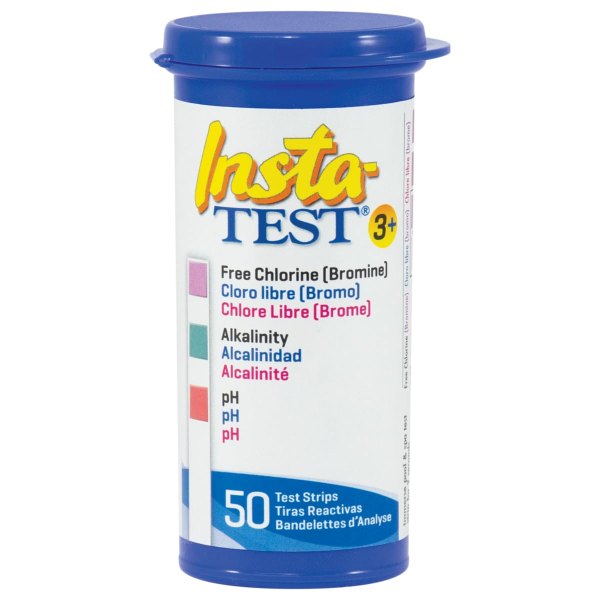 LaMotte Insta-Test 3 Pool Strips (50 ct)
Pro-grade 3-way strips from LaMotte — chlorine, pH & alkalinity, fast and accurate. Top-rated at 4.8★. View on Amazon →
LaMotte Insta-Test 3 Pool Strips (50 ct)
Pro-grade 3-way strips from LaMotte — chlorine, pH & alkalinity, fast and accurate. Top-rated at 4.8★. View on Amazon →
 Acid Blue - Low Fume Muriatic Acid for Swimming Pools & Spas - Lower's pH, Reduces Alkalinity - 2 Gallon
View on Amazon →
Acid Blue - Low Fume Muriatic Acid for Swimming Pools & Spas - Lower's pH, Reduces Alkalinity - 2 Gallon
View on Amazon →
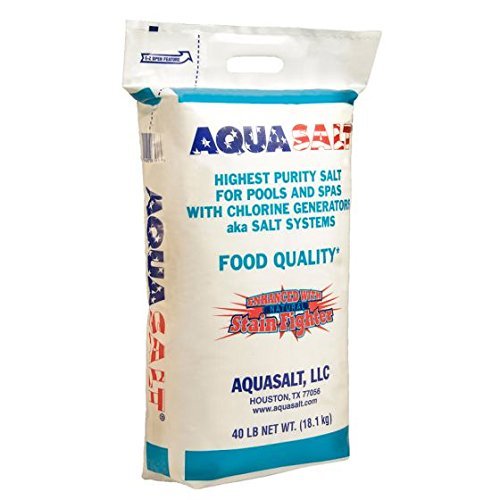 AquaSalt Pool & Spa Salt for Chlorine Generators (2 × 40 lb)
High-purity salt for saltwater chlorine generators. View on Amazon →
AquaSalt Pool & Spa Salt for Chlorine Generators (2 × 40 lb)
High-purity salt for saltwater chlorine generators. View on Amazon →

Still need help? Ask a Pool & Spa Expert AD
Get a personalized answer from PoolGuy810 — 30 years owning a pool and spa repair company. Describe your issue and get step-by-step help.
Related Pool Guides
Need More Help?
Try our free pool calculators and tools to help diagnose and fix your pool problems.
Browse Pool ToolsSLAM calculator, pH calculator, salt dosing & more