
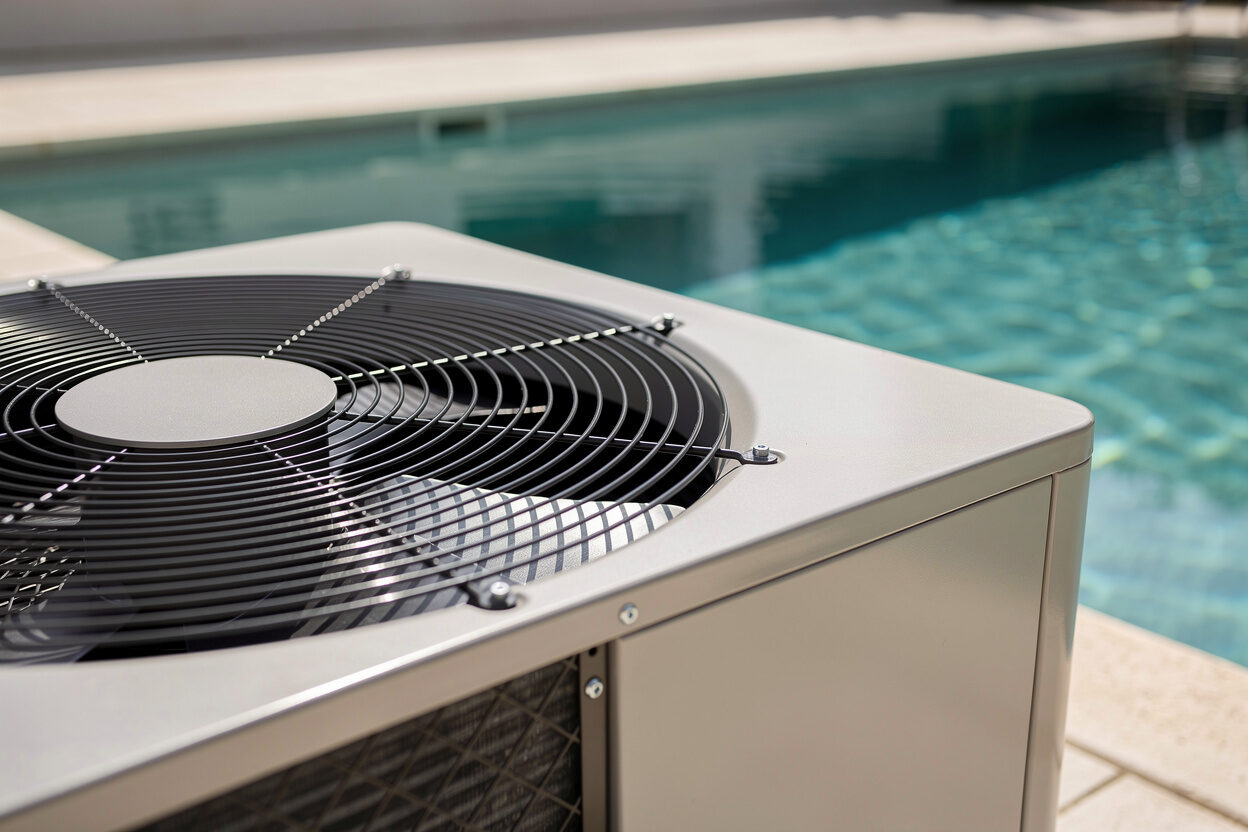
Do You Need a Pool Heater? Complete Decision Guide 2026

Should I invest in a pool heater or just deal with cold water?
Read full question
Every winter since moving into this house with a pool, I'm stuck watching this expensive water feature sit completely useless for months due to freezing temperatures. I live somewhere that gets cold winters and even the summers aren't always warm enough to make the water comfortable. Right now I can only really use it for like 3-4 months when it's hot outside.
I keep going back and forth on whether to buy a heater or just accept that I have a very seasonal pool. What temperature should pool water actually be for comfortable swimming? And is it worth the investment if I want to use my pool more than just peak summer months?
Quick Answer
You need a pool heater if you live in a climate where water temperatures drop below 78°F during your desired swimming season, or if you want to extend your pool usage beyond the natural warm months. In 2026, California's Title 24 code also requires new pools to use a heat pump or solar-thermal system as the primary heat source, with gas heaters permitted only as a secondary backup.
Key Factors to Consider
Climate and Natural Water Temperature
Your geographic location is the primary factor determining heater necessity. Pool water temperatures are influenced by air temperature but the relationship varies based on factors like thermal mass, overnight cooling, and seasonal patterns. If daytime air temperatures struggle to reach the low 80s during your desired swimming months, your pool water will often run cooler than the 78°F comfort threshold without heating.
In northern climates, unheated pools may only reach comfortable temperatures (78-82°F) for 2-3 months annually. Southern regions like Florida or Arizona may achieve 6-8 months of natural swimming weather, but still benefit from heating during cooler months.
Usage Patterns and Family Needs
Consider when and how often you plan to use your pool. Early morning swimmers, evening users, and families with children especially benefit from consistent water temperatures. Children require warmer water (82-84°F) than adults for comfortable swimming. Not sure what to actually set yours to? See our guide to the ideal pool temperature for every swimmer and budget.
If you host pool parties or swim for exercise year-round, a heater transforms your pool from a seasonal amenity to a year-round investment. Without heating, you're essentially paying for a pool that sits unused 6-9 months per year in most climates.
Types of Pool Heaters
Gas Heaters (Natural Gas or Propane)
Gas heaters heat pools quickly, raising water temperature 1-2°F per hour. They're ideal for occasional use or rapid heating needs. Natural gas costs less to operate than propane, but both provide reliable heating regardless of weather conditions. Note that as of 2026, California's Title 24 code no longer allows gas heaters to serve as the primary heat source for new pools or major remodels—they may only be used as a secondary backup paired with a heat pump or solar-thermal primary system.
Best for: Pools used sporadically, areas with low natural gas costs, or when quick heating is essential.
Heat Pumps
Heat pumps extract warmth from ambient air, making them extremely efficient when air temperatures are moderate (most operate effectively down to 50°F, with some specialized units working at lower temperatures). They cost more upfront but can be significantly more efficient than gas heaters under proper conditions (typically achieving a COP of 4-6), potentially reducing long-term operating costs. Quality heat pump units are also known for long service life, often lasting 15-20 years.
Best for: Consistent pool users in moderate climates, environmentally conscious owners, or areas with high gas costs but moderate electric rates.
Solar Heaters
Solar systems use roof-mounted panels to circulate and warm pool water. While requiring significant upfront investment and adequate roof space, they provide virtually free heating once installed. However, they depend on sunny weather and may need backup heating for cloudy periods.
Best for: Sunny climates, environmentally focused owners, or situations where long-term operating cost reduction is prioritized over upfront expenses.
Cost Analysis
Initial Investment
Gas heaters typically cost $1,500-$3,000 installed, heat pumps range around $3,000-$6,000+, and solar systems require $3,000-$8,000 depending on pool size and roof complexity. While gas heaters cost less initially, operating expenses quickly accumulate.
Operating Costs
Monthly heating costs vary dramatically by heater type, local utility rates, and usage patterns. Gas heaters may cost $300-$600 monthly for regular use, while heat pumps typically run $100-$200 monthly. Solar systems have minimal operating costs after installation.
Calculate your breakeven point by comparing higher-efficiency equipment costs against long-term savings. In most cases, heat pumps pay for themselves within 2-4 years through reduced operating expenses.
Pool Size and Heat Loss Factors
Larger pools require more powerful heating systems and cost more to maintain at target temperatures. Pool shape also matters – rectangular pools retain heat better than freeform designs with more surface area.
Heat loss occurs through evaporation (70% of total loss), surface radiation, and ground conduction. Pools with significant shade, high winds, or cool ambient temperatures lose heat faster, requiring more powerful heating systems.
Essential accessories to reduce heating costs: A quality pool cover reduces heat loss by 50-70% overnight, while windbreaks and landscaping minimize convective cooling during operation.
When You Don't Need a Heater
Skip the heater if you live in consistently warm climates (southern Florida, Arizona, southern Texas) where natural water temperatures exceed 78°F for 8+ months annually, only swim during peak summer months, or have budget constraints preventing proper equipment sizing.
However, even warm-climate pools benefit from heating during winter months, early spring, or late fall when air temperatures drop into the 60s-70s. Keep in mind that in California, 2026 code changes now require new pools or major remodels adding a heater to use a heat pump or solar-thermal system as the primary source, so the type of heater you choose may also be shaped by local regulations.
Making Your Decision
Start by monitoring your pool's natural temperature throughout your desired swimming season. If it stays above 78°F when you want to swim, heating may be optional. If temperatures frequently drop below comfortable levels, heating becomes essential for pool enjoyment.
Consider your total pool investment – adding heating typically costs 10-20% of total pool installation but can double or triple your usable swimming time. This dramatically improves your return on investment while providing year-round family enjoyment.
Most pool owners who install heaters wonder why they waited, as the extended season and comfort benefits far outweigh the additional costs.
Still need help? Ask a Pool & Spa Expert AD
Get a personalized answer from PoolGuy810 — 30 years owning a pool and spa repair company. Describe your issue and get step-by-step help.
Related Pool Guides
Need More Help?
Try our free pool calculators and tools to help diagnose and fix your pool problems.
Browse Pool ToolsSLAM calculator, pH calculator, salt dosing & more