
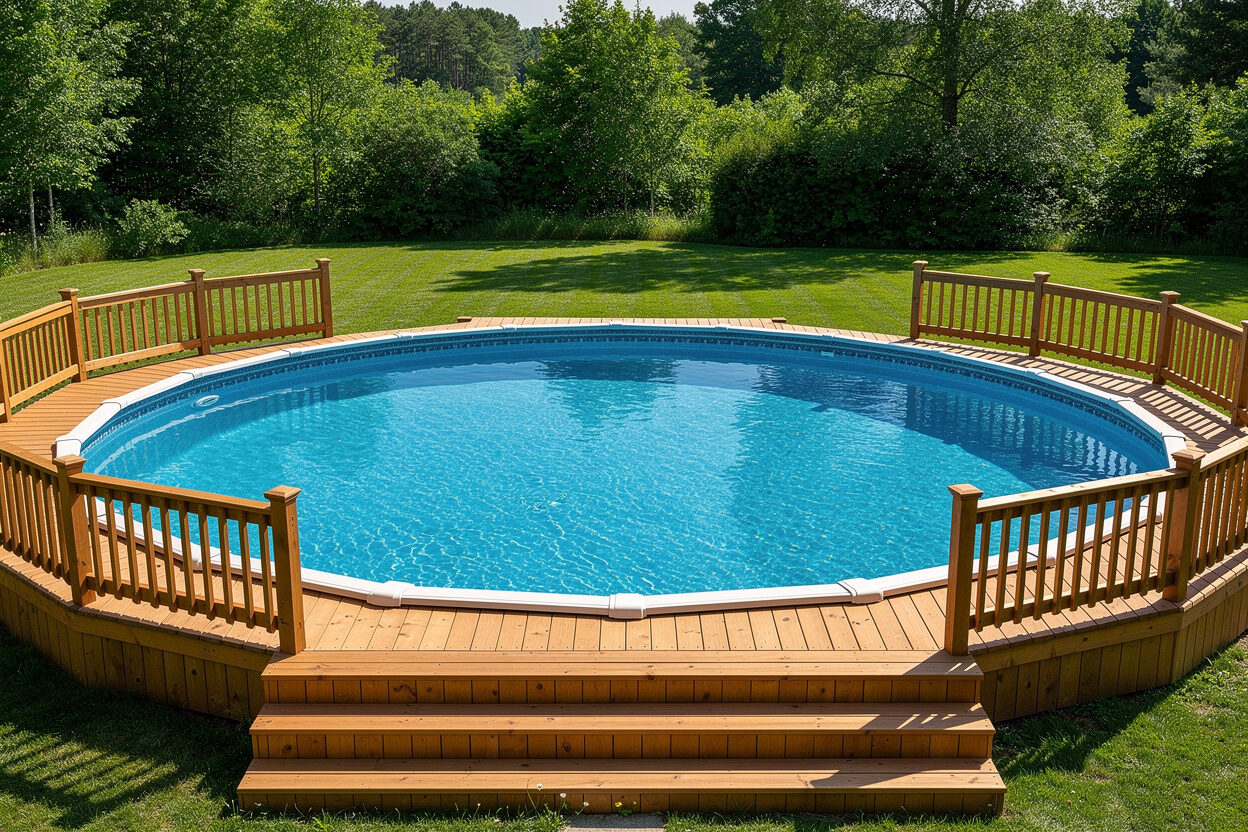
Do Concrete Pools Need Liners? Complete Guide to Finishes

What waterproofing system do concrete pools require?
Read full question
Somewhere between a few tiny wet spots around my concrete pool's shallow end last month and now watching my water level drop daily, I'm wondering if I need a liner system. Unlike vinyl pools that use liner systems, concrete pools appear to use different waterproofing methods, but I want to understand the technical specifications.
What type of waterproof finish is required for concrete pools to prevent water loss and provide proper surface functionality? I'm particularly interested in understanding the different finish options available and their performance characteristics for long-term water retention.
Quick Answer
Concrete pools do not need liners like vinyl pools, but they require a waterproof finish such as plaster, aggregate, or tile to prevent water loss and provide a smooth swimming surface.
Understanding Concrete Pool Construction
Concrete pools, also called gunite or shotcrete pools, are built by spraying concrete over a steel reinforcement framework. This creates a solid, permanent structure that doesn't require a separate liner to contain water. The concrete itself, when properly applied and cured, forms the structural foundation of your pool.
The key difference between concrete and vinyl pools is fundamental: vinyl pools use a flexible liner draped over a frame structure, while concrete pools are monolithic structures where the concrete serves as both the structure and the water barrier.
Why Concrete Pools Need Interior Finishes
While concrete pools don't need liners, they absolutely require an interior finish for several critical reasons:
Waterproofing and Sealing
Raw concrete is porous and will allow water to seep through over time. The interior finish creates a waterproof barrier that prevents water loss and protects the structural concrete from constant moisture exposure. Without this finish, you'd experience significant water loss and potential structural damage.
Surface Smoothness and Comfort
Unfinished concrete has a rough, abrasive texture that would be uncomfortable and potentially dangerous for swimmers. The interior finish provides a smooth surface that's safe and pleasant for swimming, walking, and sitting on pool steps.
Chemical Resistance
Pool water contains chlorine and other chemicals that can gradually deteriorate raw concrete. Quality finishes are formulated to resist chemical damage and maintain their integrity under constant exposure to treated pool water.
Types of Concrete Pool Finishes
Traditional Plaster Finish
White plaster is the most common and economical finish for concrete pools. Made from white Portland cement and marble dust, plaster provides a smooth, bright white surface that makes pool water appear blue. A properly applied plaster finish typically lasts 7-12 years before requiring resurfacing.
Plaster finishes work best with balanced water chemistry. Maintain calcium hardness to 250-350 ppm for plaster (175-225 ppm for vinyl/fiberglass), pH between 7.2-7.6, and total alkalinity between 80-120 ppm to prevent premature plaster deterioration.
Aggregate Finishes
Aggregate finishes like Pebble Tec, Diamond Brite, or quartz finishes offer superior durability and aesthetic appeal. These finishes combine cement with various aggregates such as pebbles, glass beads, or quartz crystals. They typically last 10-20 years and provide better stain resistance than traditional plaster.
The textured surface of aggregate finishes provides better grip for safety but may feel rougher on bare feet compared to smooth plaster.
Tile Finishes
Full tile finishes represent the premium option for concrete pools. Ceramic, porcelain, or glass tiles provide the longest-lasting and most customizable finish option. While expensive initially, quality tile can last 25+ years with proper maintenance.
Many pool owners choose a combination approach, using tile for the waterline and upper portions while finishing the pool floor and walls with plaster or aggregate.
Maintenance Considerations for Different Finishes
Water Chemistry Impact
Your choice of finish affects water chemistry management. Plaster surfaces can contribute calcium to pool water initially, requiring careful monitoring of calcium hardness levels. Use a reliable calcium hardness test kit (such as the Taylor K-2005 or similar quality test kit) to monitor calcium hardness weekly during the first month after plaster installation.
Aggregate and tile finishes are more chemically inert but still require proper water balance to prevent scale formation or etching.
Cleaning and Care
Different finishes require specific cleaning approaches. Plaster surfaces should never be scrubbed with abrasive brushes, while aggregate finishes can handle more aggressive cleaning when necessary. Use appropriate brushes - a nylon brush for vinyl and fiberglass, and a stainless steel brush for unpainted gunite/concrete and standard white plaster (stainless steel is fine on plaster and pebble for tough algae, but use it sparingly; avoid stainless on vinyl and fiberglass, and on new or colored plaster during the first month).
When Finish Replacement is Needed
Unlike vinyl liners that may need replacement every 8-12 years due to tears or fading, concrete pool finishes fail gradually through etching, staining, or surface deterioration. Signs that your finish needs attention include:
- Rough texture that's uncomfortable to touch
- Persistent staining that won't respond to cleaning
- Visible aggregate showing through worn plaster
- Cracks or chips in the finish surface
- Difficulty maintaining proper water chemistry
Cost Considerations
While concrete pools don't require liner replacements, finish renovation costs vary significantly. Basic plaster resurfacing might cost $3-6 per square foot, while premium aggregate or tile finishes can range from $8-20 per square foot including labor.
Factor these long-term finish costs into your concrete pool ownership budget, as finish renovation is typically needed every 10-20 years depending on the material chosen and maintenance quality.
Professional Installation Importance
Warning: Concrete pool finishes require professional installation. Improper application can lead to premature failure, surface defects, and costly repairs. Always use certified applicators with experience in your chosen finish type.
The initial weeks after finish installation are critical. Follow your contractor's startup procedures carefully, including gradual chemical introduction, specific brushing requirements, and proper water balance maintenance to ensure optimal finish performance and longevity.
For the full breakdown of safe chlorine levels by CYACyanuric Acid (stabilizer) — Sunscreen for your chlorine — it keeps sunlight from burning it off. The catch: the more you have, the more chlorine you need to keep. learn more → level, see our pool water chemistry guide.
 Taylor K-2006C Complete FAS-DPD Pool & Spa Test Kit
The FAS-DPD kit pool pros trust — reads chlorine accurately even at shock/SLAM levels, plus pH, alkalinity, calcium hardness and CYA. View on Amazon →
Taylor K-2006C Complete FAS-DPD Pool & Spa Test Kit
The FAS-DPD kit pool pros trust — reads chlorine accurately even at shock/SLAM levels, plus pH, alkalinity, calcium hardness and CYA. View on Amazon →
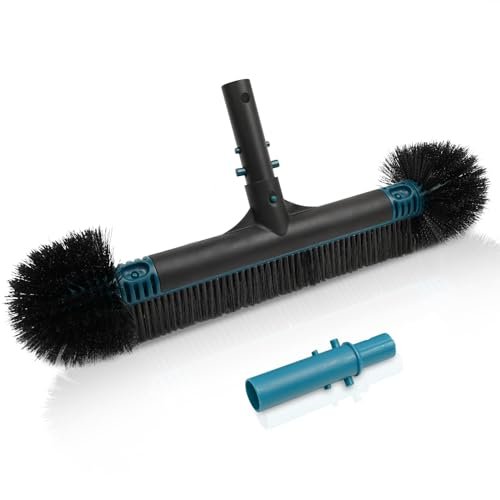 Poolvio 20" 2-in-1 Pool Brush Head (Walls & Floor)
Sturdy 20-inch brush head that clips onto any standard telescopic pole. View on Amazon →
Poolvio 20" 2-in-1 Pool Brush Head (Walls & Floor)
Sturdy 20-inch brush head that clips onto any standard telescopic pole. View on Amazon →
Still need help? Ask a Pool & Spa Expert AD
Get a personalized answer from PoolGuy810 — 30 years owning a pool and spa repair company. Describe your issue and get step-by-step help.
Related Pool Guides
Need More Help?
Try our free pool calculators and tools to help diagnose and fix your pool problems.
Browse Pool ToolsSLAM calculator, pH calculator, salt dosing & more