
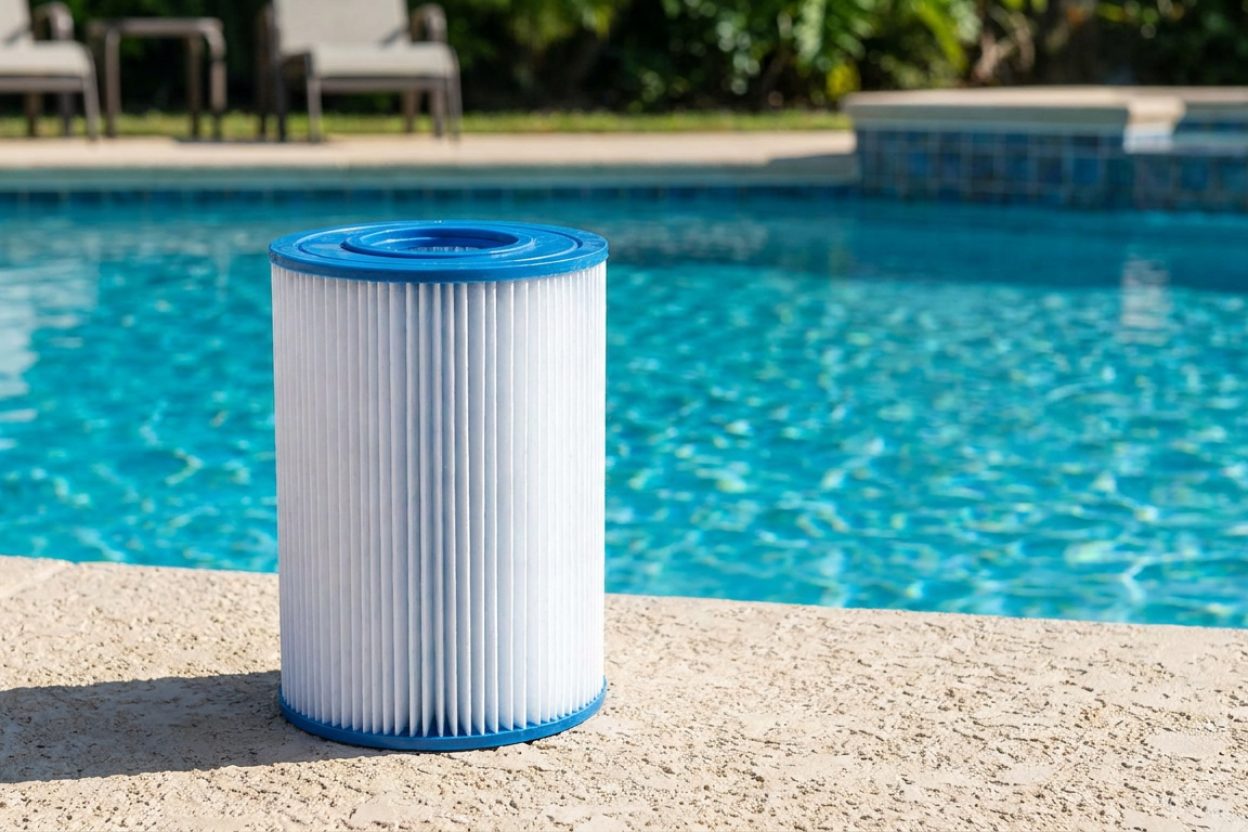
How to Clean Pool Cartridge Filters - Complete Guide

What's the proper procedure for cleaning pool cartridge filters?
Read full question
Since following that popular YouTube tutorial on cleaning my cartridge filters, they're somehow more clogged than before and my flow rate dropped even worse. My current filters are showing signs of debris accumulation and reduced flow rates, indicating it's time for cleaning.
What's the correct methodology for cleaning these filters, and what frequency should I maintain for optimal filtration performance? I want to ensure I'm following proper procedures to maximize filter lifespan while maintaining water quality standards.
Quick Answer
Yes, pool cartridge filters can and should be cleaned regularly. Clean them every 2-4 weeks by removing debris, rinsing with a hose at 45-degree angle, and rotating between multiple sets for optimal performance.
When to Clean Your Cartridge Filters
The frequency of cleaning depends on several factors including bather load, environmental conditions, and pool chemistry balance. Here are the key indicators:
- Every 2-4 weeks during peak swimming season
- When pressure gauge reads 8-10 PSI above clean starting pressure
- When flow rate noticeably decreases at return jets
- After heavy pool usage or pool parties
- Following storms, high winds, or excessive debris
- When water clarity begins to diminish despite proper chemical balance
Essential Cleaning Methods
Basic Rinse Cleaning (Every 2-4 weeks)
- Turn off pool pump and filtration system - Never remove cartridges while system is running
- Remove filter housing lid or clamp - Always consult manufacturer's specific cleaning instructions first, as they may override these general procedures
- Carefully lift out cartridge filters - Note orientation for proper reinstallation
- Rinse with garden hose - Use medium pressure, holding hose at 45-degree angle to pleats
- Work systematically - Clean between each pleat fold, rotating cartridge as you work
- Rinse from both directions - Clean from top to bottom, then bottom to top
- Inspect for damage - Check for tears, collapsed pleats, or worn end caps
- Reinstall when visibly clean - Ensure proper seating and alignment
Deep Chemical Cleaning (Once or twice per year, or when buildup remains after rinsing)
For thorough cleaning that removes oils, lotions, and embedded contaminants:
- Degrease first - Soak cartridges (overnight for a TSP solution, about 25 minutes for a commercial cleaner) in a TSP (trisodium phosphate) solution or commercial cartridge cleaner (such as Pleatco Filter Wash) to dissolve oils, lotions, and organic buildup. Always remove oils before any acid step—acid-washing a greasy cartridge sets the oils into the fibers and permanently restricts water flow.
- Rinse thoroughly - Remove all degreaser residue with fresh water (never let TSP and acid mix in the cartridge).
- Acid soak ONLY if scale remains - If a white mineral/scale film is still present after degreasing, soak briefly in a dilute solution of 1 part muriatic acid to 20 parts water (always add acid to water, never water to acid). Wear goggles and gloves, work in a well-ventilated area, and keep baking soda nearby to neutralize spills. Skip this step entirely if there is no scale.
- Final rinse - Ensure no cleaning chemical residue remains.
- Air dry completely - Allow filters to dry before storage or use
The Two-Set Rotation System
Professional pool technicians recommend maintaining two complete sets of cartridge filters for optimal performance:
- Set A in use - Currently filtering pool water
- Set B cleaned and ready - Stored clean and dry for immediate swap
- Swap every 2-4 weeks - Remove dirty set, install clean set
- Clean removed set - Clean and dry thoroughly before storage
This rotation system ensures continuous optimal filtration while allowing thorough cleaning and complete drying of removed filters.
Common Cleaning Mistakes to Avoid
- Using high-pressure washers - Can damage pleated material and reduce filtration effectiveness
- Using household detergents - Soap residue can cause persistent foam in pool water
- Storing filters damp long-term - reinstalling a wet filter is fine, but sealing a damp cartridge away for the off-season can let mildew grow
- Cleaning frequency neglect - Waiting too long between cleanings reduces filter lifespan
- Using bleach or chlorine - Can degrade filter material and reduce effectiveness
- Ignoring proper orientation - Cartridges often have specific top/bottom positioning
Extending Cartridge Filter Lifespan
Proper maintenance practices can significantly extend filter life:
- Maintain proper pool chemistry - Keep pH between 7.4-7.6, total alkalinity 80-120 ppm
- Regular skimming and brushing - Reduce organic load on filtration system
- Shower before swimming - Minimize oils, lotions, and contaminants
- Proper storage - Store clean, dry filters in covered, ventilated area
- Gradual pressure increase monitoring - Clean before reaching maximum recommended pressure differential
When to Replace Rather Than Clean
Even with proper maintenance, cartridge filters eventually need replacement:
- Pleated material becomes gray or brown despite cleaning
- End caps show cracks or deterioration
- Pleats collapse or lose structural integrity
- Filter material becomes slimy or develops persistent odor
- Cleaning frequency increases to weekly or more often
- Pressure increases rapidly after cleaning
Water Chemistry Impact
Clean filters work more effectively when pool chemistry is properly balanced. Maintain free chlorine at approximately 4-6 ppm for CYACyanuric Acid (stabilizer) — Sunscreen for your chlorine — it keeps sunlight from burning it off. The catch: the more you have, the more chlorine you need to keep. learn more → levels between 30-50 ppm, as recommended by the all-in-one pool calculator. Balanced water chemistry reduces organic load and extends time between cleanings.
Regular cartridge filter cleaning is essential for maintaining crystal-clear pool water and protecting your investment in filtration equipment. With proper technique and consistent maintenance schedule, quality cartridge filters provide excellent filtration performance throughout their operational lifespan.
For the full breakdown of safe chlorine levels by CYA level, see our pool water chemistry guide.
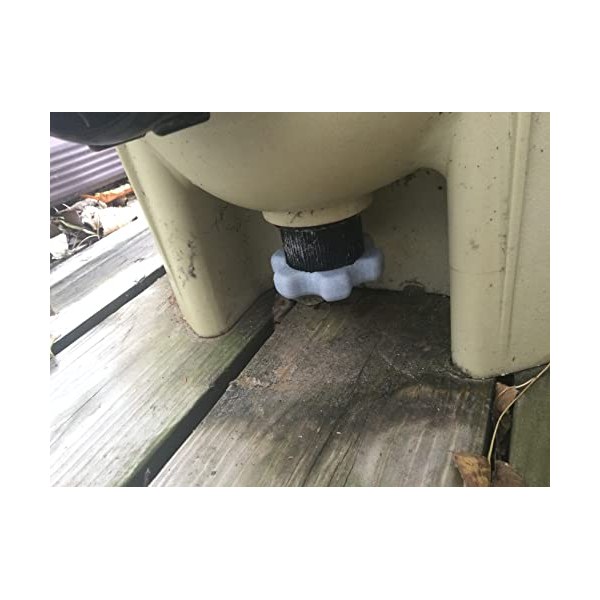 Filter Drain Plug Wrench (Pentair Clean & Clear/FNS)
Grips the drain plug on Pentair Clean & Clear and FNS filters. View on Amazon →
Filter Drain Plug Wrench (Pentair Clean & Clear/FNS)
Grips the drain plug on Pentair Clean & Clear and FNS filters. View on Amazon →
 50 ft Flexible Metal Garden Hose (Kink-Free)
Durable hose for filling, priming, and rinsing equipment. View on Amazon →
50 ft Flexible Metal Garden Hose (Kink-Free)
Durable hose for filling, priming, and rinsing equipment. View on Amazon →
 Acid Blue - Low Fume Muriatic Acid for Swimming Pools & Spas - Lower's pH, Reduces Alkalinity - 2 Gallon
View on Amazon →
Acid Blue - Low Fume Muriatic Acid for Swimming Pools & Spas - Lower's pH, Reduces Alkalinity - 2 Gallon
View on Amazon →
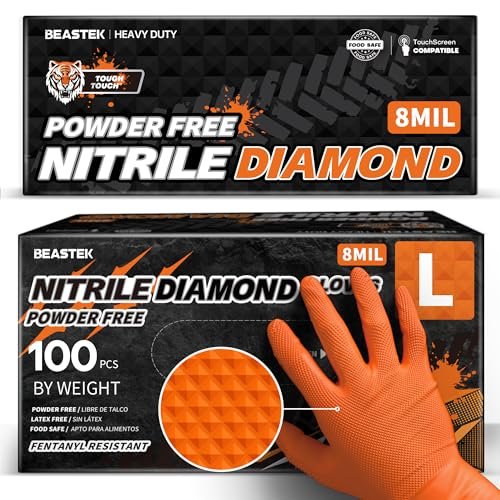 Beastek 8-mil Chemical-Resistant Nitrile Gloves
Disposable nitrile gloves for safe handling of pool chemicals. View on Amazon →
Beastek 8-mil Chemical-Resistant Nitrile Gloves
Disposable nitrile gloves for safe handling of pool chemicals. View on Amazon →
Still need help? Ask a Pool & Spa Expert AD
Get a personalized answer from PoolGuy810 — 30 years owning a pool and spa repair company. Describe your issue and get step-by-step help.
Related Pool Guides
Need More Help?
Try our free pool calculators and tools to help diagnose and fix your pool problems.
Browse Pool ToolsSLAM calculator, pH calculator, salt dosing & more