
How Long After Pool Cleaning Can I Swim? Safe Wait Times

When is it actually safe to swim after cleaning my pool?
Read full question
I noticed after the pool service truck left today that nobody can agree on how long I actually need to wait before diving in. Sometimes I do basic skimming and vacuuming, other times I'm adding shock or algaecide, and occasionally I have to do a full chemical rebalancing. Each situation feels different but I never know how long I should actually wait.
I really want to enjoy my pool this summer, but I also don't want to risk getting sick or having skin irritation from jumping in too soon. Can someone break down the actual wait times based on what type of cleaning or treatment I've done? I'm tired of guessing and would love some clear guidelines I can follow.
Quick Answer
Wait times after pool cleaning depend on the type of cleaning performed. For basic maintenance cleaning, you can swim immediately. For chemical treatments, wait anywhere from 15 minutes to 48 hours depending on the chemical; algae/SLAM treatments can take longer and are cleared by testing, not the clock.
Understanding Different Types of Pool Cleaning
Not all pool cleaning is the same, and this directly impacts when you can safely return to swimming. Professional pool cleaning typically involves multiple steps, and each has different safety considerations for swimmers.
Physical Cleaning Only
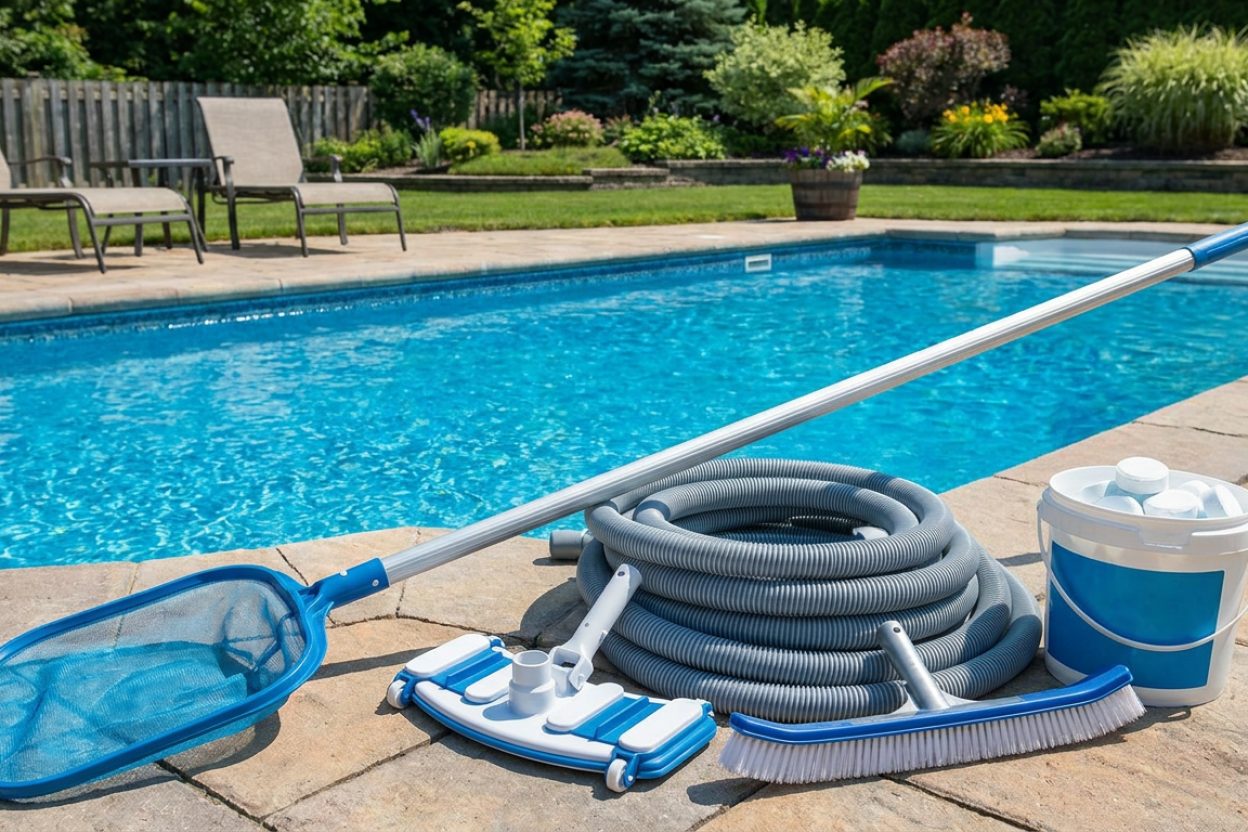
When your pool service performs only physical maintenance—skimming leaves, emptying baskets, brushing walls, and vacuuming—no waiting period is required. These activities don't affect water chemistry or safety, so you can jump in as soon as the cleaning equipment is removed from the pool.
Filter System Maintenance
If your pool cleaner backwashed your filter, cleaned cartridges, or performed other filter maintenance, you can swim immediately after the system is restarted and running normally. However, allow the filtration system to run for at least 30 minutes to ensure proper circulation before swimming.
Chemical Treatments and Wait Times
Chemical additions during pool cleaning require specific wait times based on the type and amount of chemicals used. Here's what you need to know for each common treatment:
Standard Chlorine Additions
If liquid chlorine or granular chlorine was added to maintain normal sanitizer levels (typically 5-8% of your CYACyanuric Acid (stabilizer) — Sunscreen for your chlorine — it keeps sunlight from burning it off. The catch: the more you have, the more chlorine you need to keep. learn more → level), wait 15-30 minutes for proper circulation and distribution. Test the water with a reliable test kit like the Taylor K-2006 to ensure free chlorine is below 10 ppm (the CDC swim limit) before swimming.
Shock Treatments
Pool shock raises chlorine levels significantly higher than normal swimming levels. After a shock treatment, per the CDC, wait until free chlorine drops below 10 ppm and the water is clear enough to see the bottom and main drain before anyone swims. That usually takes 8-24 hours with the pump running (heavy or granular shock can take longer; low CYA and strong sun speed it up). This applies to any shock, whether routine or a full SLAMShock Level And Maintain — raise free chlorine to a target based on your CYA and hold it there until the algae is gone. It's a process, not a one-time dose. the SLAM walkthrough →.
SLAM Method Treatments
If your pool required a SLAM (Shock Level And Maintain) treatment for algae or contamination, wait times are longer. During SLAM, chlorine levels are maintained at shock level (often 40% of your CYA level) until the pool passes the overnight chlorine loss test, which indicates all contaminants have been eliminated. The overnight test result—not just time duration—determines when it's safe to swim, though this process typically takes 24-72 hours or longer for severe algae problems.
pH and Alkalinity Adjustments
Chemical adjustments to pH and total alkalinity require careful timing before swimming resumes.
Muriatic Acid Additions
When muriatic acid is added to lower pH or total alkalinity, wait about 30 minutes (up to an hour for large doses) with the pump running before swimming. For small pH adjustments, shorter wait times may be acceptable depending on the amount added and pool size. This allows the acid to fully mix and neutralize. Always retest pH levels—they should be between 7.2-7.6 before swimming.
Soda Ash or Baking Soda
If soda ash was added to raise pH or baking soda to increase total alkalinity, wait about 20-30 minutes for circulation; these are mild and need no long wait. Test and confirm pH is in the proper range (7.2-7.6) before entering the water.
Algaecide and Specialty Chemical Treatments
Specialty chemicals often have the longest wait times and require careful attention to manufacturer instructions.
Copper-Based Algaecides
Copper-based algaecides typically require 24-48 hour wait periods. These products can cause staining and skin irritation if swimmers enter too early. Always follow label directions and ensure proper circulation during the waiting period.
Enzyme Treatments
Enzyme products that break down oils and organic matter usually allow swimming after 15-30 minutes of circulation, but check the specific product label for manufacturer recommendations.
Testing Before Swimming
Regardless of wait times, always test your water before swimming after any chemical treatment. Use a quality test kit to verify:
- Free chlorine: Appropriate for your CYA level (typically 5-8% of CYA)
- pH: 7.2-7.6 for comfort and chemical effectiveness
- Total alkalinity: 80-120 ppm
- Water clarity: Pool bottom should be clearly visible
Safety Considerations
Never swim if you can smell strong chlorine odors, as this often indicates chloramines (combined chlorine) rather than high free chlorine levels. If water appears cloudy, has visible algae, or you're unsure about chemical levels, wait longer and retest.
When in doubt, contact your pool service professional for guidance. They can provide specific recommendations based on exactly what chemicals and concentrations were used during your pool cleaning.
Emergency Situations
If someone accidentally enters the pool before the recommended wait time after chemical treatment, have them exit immediately and rinse with fresh water. Monitor for skin or eye irritation and seek medical attention if symptoms persist.
For the full breakdown of safe chlorine levels by CYA level, see our pool water chemistry guide or use the FC/CYAFC/CYA chart — The chart that sets your chlorine target from your stabilizer (CYA) level — the two go together. see the chart → relationship — our all-in-one pool calculator estimates the free chlorine target for your CYA.
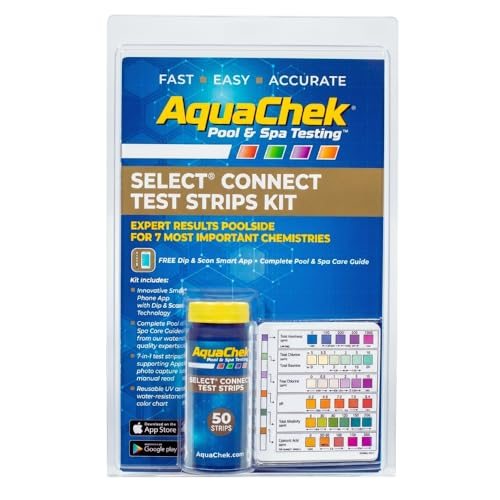
 Taylor K-2006C Complete FAS-DPD Pool & Spa Test Kit
The FAS-DPD kit pool pros trust — reads chlorine accurately even at shock/SLAM levels, plus pH, alkalinity, calcium hardness and CYA. View on Amazon →
Taylor K-2006C Complete FAS-DPD Pool & Spa Test Kit
The FAS-DPD kit pool pros trust — reads chlorine accurately even at shock/SLAM levels, plus pH, alkalinity, calcium hardness and CYA. View on Amazon →
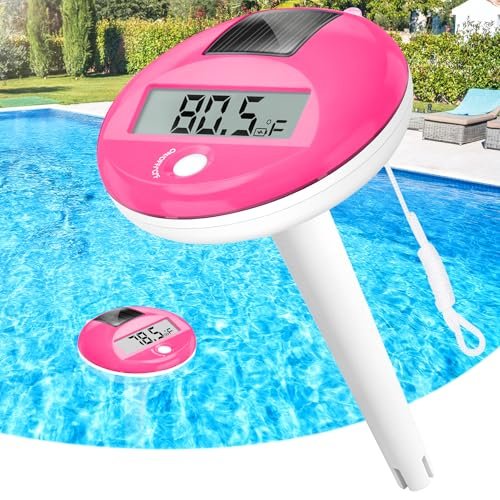 LuxBlue Floating Pool Thermometer, Solar, Large LCD
Easy-read floating thermometer for pool water temperature. View on Amazon →
LuxBlue Floating Pool Thermometer, Solar, Large LCD
Easy-read floating thermometer for pool water temperature. View on Amazon →
Still need help? Ask a Pool & Spa Expert AD
Get a personalized answer from PoolGuy810 — 30 years owning a pool and spa repair company. Describe your issue and get step-by-step help.
Need More Help?
Try our free pool calculators and tools to help diagnose and fix your pool problems.
Browse Pool ToolsSLAM calculator, pH calculator, salt dosing & more