
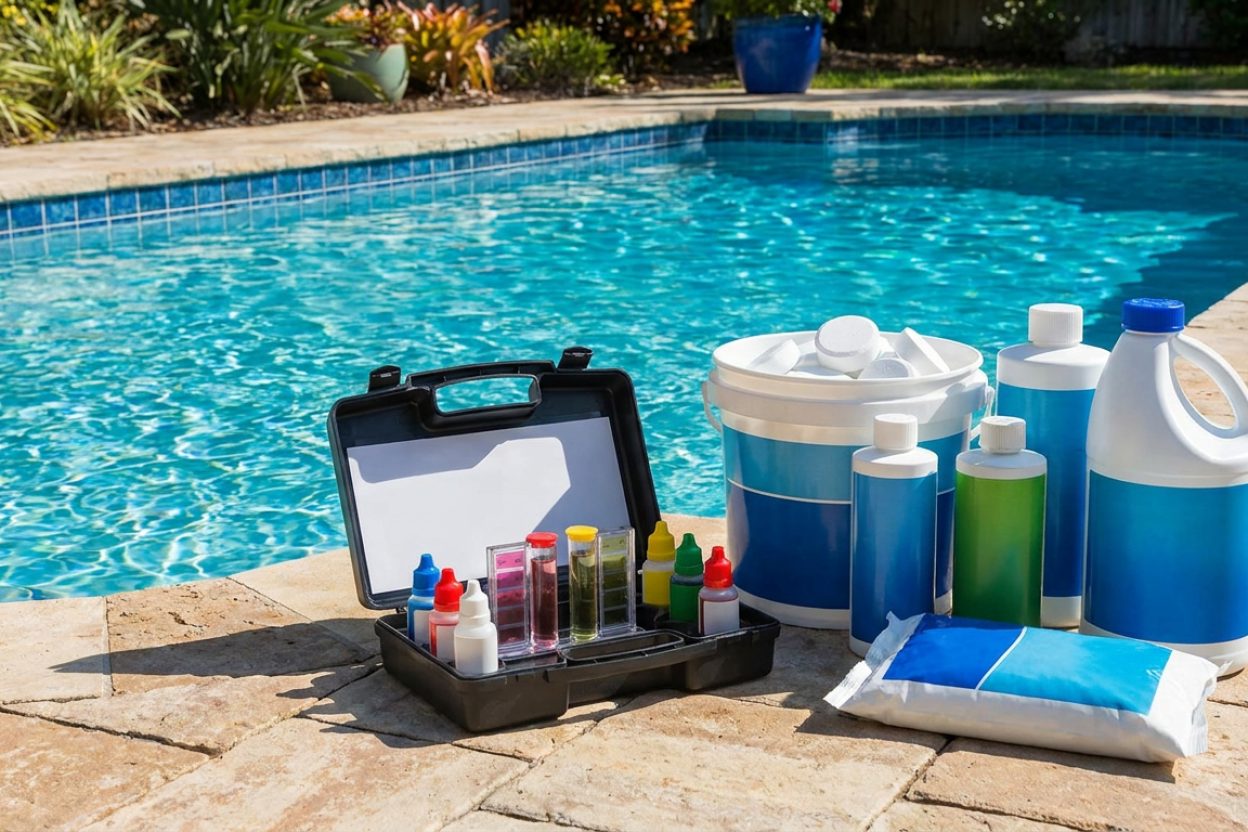
Do You Need Pool Chemicals? Essential Chemicals for Safe Water

Are pool chemicals actually necessary or just expensive marketing?
Read full question
Last weekend I grabbed my pool testing kit and decided to handle the chemistry myself — just need to figure out which chemicals are actually essential versus marketing hype. My neighbor swears by minimal chemical use while the pool store keeps pushing different products on me.
What chemicals do you ACTUALLY need to keep a pool safe for swimming? I don't want to over-treat my water with unnecessary stuff, but I also don't want anyone getting sick. Just looking for the bare minimum essentials that are truly required for safe, swimmable water.
Quick Answer
Yes, pool chemicals are absolutely essential for maintaining safe, swimmable water. The minimum chemicals you need are chlorine (sanitizer), pH adjuster, and alkalinity increaser. Target free chlorine (FC) levels depend on your cyanuric acid (CYA) level. For pools with 30-50 ppm CYA, maintain 4-6 ppm FC. Salt water pools with 70-80 ppm CYA need 6-8 ppm FC. Proper pH (7.4-7.6) ensures chlorine effectiveness and swimmer comfort. Total alkalinity (TA) buffers pH changes.
Essential Pool Chemicals You Cannot Skip
Primary Sanitizer (Chlorine)
Chlorine is your pool's primary defense against bacteria, viruses, and algae. You have several options:
- Liquid chlorine (sodium hypochlorite) - Most effective and economical option
- Calcium hypochlorite (cal-hypo) - Granular shock treatment
- Trichlor tablets - Slow-dissolving stabilized chlorine
- Salt water chlorine generator - Produces chlorine from salt
Target free chlorine (FCFree Chlorine — The chlorine actively sanitizing your water right now. This is the number you keep an eye on. how much you need →) levels depend on your cyanuric acid (CYACyanuric Acid (stabilizer) — Sunscreen for your chlorine — it keeps sunlight from burning it off. The catch: the more you have, the more chlorine you need to keep. learn more →) level. For pools with 30-50 ppm CYA, maintain 4-6 ppm FC. Salt water pools with 70-80 ppm CYA need 6-8 ppm FC.
pH Control Chemicals
Proper pH (7.4-7.6) keeps water comfortable and balanced:
- Muriatic acid or sodium bisulfate - Lower pH when above 7.6
- Sodium carbonate (soda ash) - Raise pH when below 7.4
Muriatic acid dosage to lower pH by 0.2 units varies significantly based on total alkalinity levels - see our all-in-one pool calculator for a quick estimate, and always follow manufacturer specs for your specific conditions. Always add acid to water, never water to acid.
Alkalinity Management
Total alkalinity (TATotal Alkalinity — The buffer that keeps your pH from bouncing around. Get this in range and pH gets a lot easier to manage. learn more →) buffers pH changes. Target 60-80 ppm for salt water pools, 80-120 ppm for traditional chlorine pools:
- Sodium bicarbonate (baking soda) - Raises alkalinity
- Muriatic acid - Lowers alkalinity when added slowly with circulation
Secondary Essential Chemicals
Cyanuric Acid (Stabilizer)
Protects chlorine from UV degradation. Never exceed 80 ppm as it reduces chlorine effectiveness.
Calcium Hardness
Prevents equipment corrosion and surface etching:
- Calcium chloride - Raises calcium hardness to 250-350 ppm for plaster pools
- Lower targets (175-225 ppm) for vinyl and fiberglass pools
When Chemical Treatment Becomes Critical
Green Pool Recovery
If your pool turns green, you need immediate chemical intervention using the SLAMShock Level And Maintain — raise free chlorine to a target based on your CYA and hold it there until the algae is gone. It's a process, not a one-time dose. the SLAM walkthrough → method (Shock Level And Maintain):
- Test and balance pH to 7.2-7.4
- Add liquid chlorine to reach shock level (varies by CYA level)
- Maintain shock level 24/7 until water clears
- Brush pool surfaces twice daily
- Run filter continuously
For a pool with 50 ppm CYA, shock level is 20 ppm FC. Use our all-in-one pool calculator to estimate the amount needed.
Testing and Monitoring Requirements
Test water chemistry 2-3 times weekly using a reliable test kit:
- Taylor K-2006 test kit - Gold standard for accurate readings
- TF-100 test kit - More tests per kit, very accurate
- Test strips - Less accurate but convenient for quick checks
Retest 4-6 hours after adding chemicals to verify results.
Safety Considerations
Never mix different chemicals - this can cause dangerous reactions. Always add chemicals to water, not water to chemicals. Store chemicals in a cool, dry place away from direct sunlight. Wear safety goggles and gloves when handling chemicals.
Cost-Effective Chemical Strategy
Focus on these priorities to minimize chemical costs:
- Use liquid chlorine for regular sanitization - most economical
- Maintain proper water balance to prevent problems
- Test regularly to catch issues early
- Buy chemicals in bulk during off-season
A well-maintained pool typically costs $300-600 annually in chemicals, far less than the cost of major repairs or health issues from contaminated water.
Remember, pool chemicals aren't optional - they're essential for safe swimming water. The small ongoing investment in proper chemical treatment protects your health, your pool equipment, and your pool surfaces from serious damage.
For the full breakdown of safe chlorine levels by CYA level, see our pool water chemistry guide.
 Taylor K-2006C Complete FAS-DPD Pool & Spa Test Kit
The FAS-DPD kit pool pros trust — reads chlorine accurately even at shock/SLAM levels, plus pH, alkalinity, calcium hardness and CYA. View on Amazon →
Taylor K-2006C Complete FAS-DPD Pool & Spa Test Kit
The FAS-DPD kit pool pros trust — reads chlorine accurately even at shock/SLAM levels, plus pH, alkalinity, calcium hardness and CYA. View on Amazon →
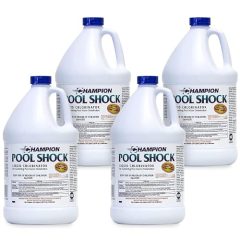 Liquid Chlorine / Sodium Hypochlorite (12.5%)
Everyday sanitizer — the B in BBB View on Amazon →
Liquid Chlorine / Sodium Hypochlorite (12.5%)
Everyday sanitizer — the B in BBB View on Amazon →
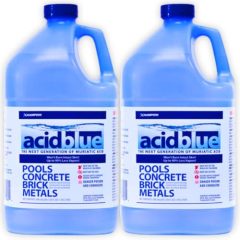 Acid Blue - Low Fume Muriatic Acid for Swimming Pools & Spas - Lower's pH, Reduces Alkalinity - 2 Gallon
View on Amazon →
Acid Blue - Low Fume Muriatic Acid for Swimming Pools & Spas - Lower's pH, Reduces Alkalinity - 2 Gallon
View on Amazon →
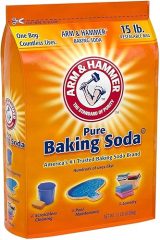 Arm & Hammer Pure Baking Soda (Alkalinity Up)
Raises Total Alkalinity cheaply View on Amazon →
Arm & Hammer Pure Baking Soda (Alkalinity Up)
Raises Total Alkalinity cheaply View on Amazon →
Still need help? Ask a Pool & Spa Expert AD
Get a personalized answer from PoolGuy810 — 30 years owning a pool and spa repair company. Describe your issue and get step-by-step help.
Related Pool Guides
Need More Help?
Try our free pool calculators and tools to help diagnose and fix your pool problems.
Browse Pool ToolsSLAM calculator, pH calculator, salt dosing & more