
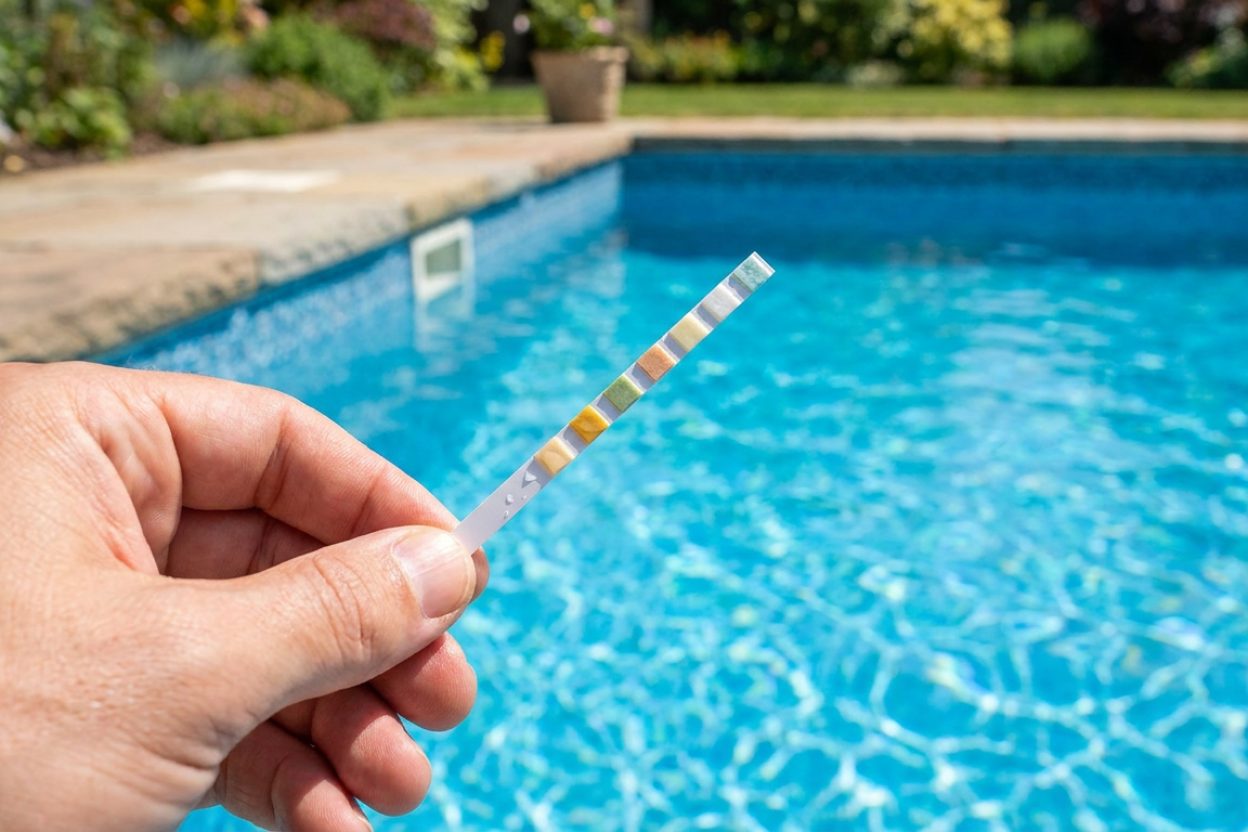
Does a Chlorine Pool Clean You? Sanitizing Effects Explained

Do chlorine pools actually sanitize your body when swimming?
Read full question
Pulled every trick in the book — tested water chemistry, scrubbed surfaces, shocked twice — but still can't figure out if my 20,000 gallon chlorinated pool actually cleans me. My family swims regularly, and I've been wondering about the actual cleaning effects of chlorinated water on our bodies. I know chlorine is designed to kill bacteria and sanitize the pool water, but does it provide any real sanitizing benefits to swimmers?
Specifically, I'm curious whether the chlorine concentration in properly maintained pools is sufficient to kill germs and bacteria on our skin while we swim. My kids often come out of the pool and think they don't need to shower because "the pool cleaned them," but I'm not sure if that's actually true. Does chlorinated pool water provide genuine sanitizing effects on the human body, or do we still need regular soap and water for proper hygiene after swimming?
Quick Answer
Chlorine pools do provide some cleaning and sanitizing effects on your body by killing bacteria and germs on your skin, but they don't replace soap and water for removing dirt, oils, and cosmetics. Proper pool chemistry, including maintaining the right free chlorine levels based on CYA, pH, total alkalinity, and calcium hardness, is crucial for effective sanitization.
How Chlorine Sanitizes Your Body
When you enter a properly chlorinated pool, the free chlorine (hypochlorous acid) immediately begins working on your skin's surface. This sanitizing action occurs through oxidation, where chlorine molecules break down the cell walls of bacteria, viruses, and other pathogens. The process is highly effective when your pool maintains proper free chlorine levels at the right level for your CYACyanuric Acid (stabilizer) — Sunscreen for your chlorine — it keeps sunlight from burning it off. The catch: the more you have, the more chlorine you need to keep. learn more → (typically 4-6 ppm for a stabilized outdoor pool with CYA 30-50 ppm, or 6-8 ppm for a salt pool with CYA 70-80 ppm).
Disinfection is not instant — the CDC notes chlorine kills most germs within minutes, not seconds, and some germs (like Cryptosporidium) can survive for days even in properly chlorinated water. Public-health guidance is also to keep open cuts or wounds out of shared pool water rather than relying on chlorine to clean them.
What Chlorine Removes vs. What It Doesn't
What Chlorine Effectively Removes:
- Bacteria and viruses on skin surface
- Many waterborne bacteria and viruses (note that athlete's foot fungus actually spreads on wet pool decks and surfaces, not in the chlorinated water itself)
- Many parasites — though Cryptosporidium is notably chlorine-resistant and can survive for days
- Minor skin irritants and allergens
- Sweat and urea (though this consumes chlorine)
What Chlorine Cannot Remove:
- Dirt, mud, and physical debris
- Sunscreen and cosmetics
- Body oils and lotions
- Hair products and styling compounds
- Environmental pollutants embedded in skin
- Dead skin cells (these actually consume chlorine)
Proper Pool Chemistry for Effective Sanitization
For your pool to effectively sanitize swimmers, you must maintain precise chemical balance. Using TFP (Trouble Free Pool) principles, here are the critical parameters:
Free Chlorine Levels
Your free chlorine (FCFree Chlorine — The chlorine actively sanitizing your water right now. This is the number you keep an eye on. how much you need →) level should correspond to your cyanuric acid (CYA) level. For CYA levels of 30-50 ppm (recommended for most pools), maintain FC between 4-6 ppm. If you have a salt water generator, target CYA of 70-80 ppm with FC of 6-8 ppm. Test your water 2-3 times per week using a reliable test kit like the Taylor K-2006 or comparable digital tester.
pH Balance
Maintain pH between 7.2 and 7.8 for comfort and balance. Above 7.8, a larger share of chlorine shifts to its less-active form, but in a stabilized pool the effect on sanitizing is modest—high pH mainly promotes scaling and cloudiness. At pH 8.0, only about 22% of your chlorine is in the strong, active (hypochlorous acid) form, versus roughly half at pH 7.4 — so it sanitizes much more slowly. (That figure is the active-form fraction, a shorthand rather than a literal effectiveness rating.) Use muriatic acid to lower pH when needed. Dosage varies significantly based on current pH and total alkalinity - always calculate the required amount using a pool calculator or follow manufacturer's instructions rather than using general estimates.
Total Alkalinity and Calcium Hardness
Keep total alkalinity between 80-120 ppm for regular pools (60-80 for salt water generators) to stabilize pH. Calcium hardness should be 250-350 ppm for plaster pools, or 175-225 ppm for vinyl and fiberglass pools.
Safety Considerations and Limitations
Important Safety Warning: Never rely solely on pool chlorine for personal hygiene. While chlorine provides sanitizing benefits, it's not a substitute for proper bathing with soap and water.
Overexposure to chlorine can cause skin and eye irritation, especially in poorly maintained pools with chloramine buildup. If you smell a strong 'chlorine' odor, this actually indicates chloramines (combined chlorine) rather than free chlorine, suggesting the pool needs shock treatment.
Common Misconceptions
Many pool owners believe that strong chlorine smell means better cleaning power. This is false. A properly chlorinated pool should have little to no odor. Strong chemical smells indicate chloramine formation, which occurs when free chlorine combines with contaminants like sweat, urine, and cosmetics.
Maximizing the Cleaning Benefits
To optimize your pool's sanitizing effects:
- Shower before entering to remove oils, cosmetics, and contaminants that consume chlorine
- Maintain consistent free chlorine levels through regular testing and adjustment
- Run your filtration system 8-12 hours daily to circulate treated water
- Shock with liquid chlorine when needed (after heavy use, rain, or rising combined chlorine)—routine weekly shocking isn't necessary if free chlorine is kept at the right level for your CYA
- Keep CYA levels stable to protect chlorine from UV degradation
When Pools Don't Clean Effectively
Several conditions can reduce your pool's sanitizing ability:
- Free chlorine below your CYA-based minimum
- High pH levels (above 7.8)
- Very high cyanuric acid (over ~100 ppm), which buffers chlorine so heavily that you need a much higher FC to sanitize
- High bather load overwhelming the sanitizer
- Poor water circulation and filtration
If your pool water appears cloudy or has visible algae, perform a SLAMShock Level And Maintain — raise free chlorine to a target based on your CYA and hold it there until the algae is gone. It's a process, not a one-time dose. the SLAM walkthrough → (Shock Level And Maintain) process. Add liquid chlorine to achieve shock level FC (determined by your CYA level using the all-in-one pool calculator), then maintain that level until the water clears, combined chlorine (CCCombined Chlorine — "Used-up" chlorine left over from doing its job. Above about 0.5 ppm is the classic sign water needs a shock. learn more →) is 0.5 ppm or less, and the pool passes the overnight chlorine loss test.
Bottom Line
A properly maintained chlorine pool does provide significant sanitizing benefits for swimmers, killing harmful microorganisms and providing a cleaner swimming environment. However, this sanitization is supplementary to, not a replacement for, regular personal hygiene practices. The key is maintaining proper water chemistry through consistent testing and adjustment, ensuring your pool can effectively sanitize while remaining safe and comfortable for all swimmers.
For the full breakdown of safe chlorine levels by CYA level, see our pool water chemistry guide.
 Taylor K-2006C Complete FAS-DPD Pool & Spa Test Kit
The FAS-DPD kit pool pros trust — reads chlorine accurately even at shock/SLAM levels, plus pH, alkalinity, calcium hardness and CYA. View on Amazon →
Taylor K-2006C Complete FAS-DPD Pool & Spa Test Kit
The FAS-DPD kit pool pros trust — reads chlorine accurately even at shock/SLAM levels, plus pH, alkalinity, calcium hardness and CYA. View on Amazon →
 Liquid Chlorine / Sodium Hypochlorite (12.5%)
Everyday sanitizer — the B in BBB View on Amazon →
Liquid Chlorine / Sodium Hypochlorite (12.5%)
Everyday sanitizer — the B in BBB View on Amazon →
 Acid Blue - Low Fume Muriatic Acid for Swimming Pools & Spas - Lower's pH, Reduces Alkalinity - 2 Gallon
View on Amazon →
Acid Blue - Low Fume Muriatic Acid for Swimming Pools & Spas - Lower's pH, Reduces Alkalinity - 2 Gallon
View on Amazon →
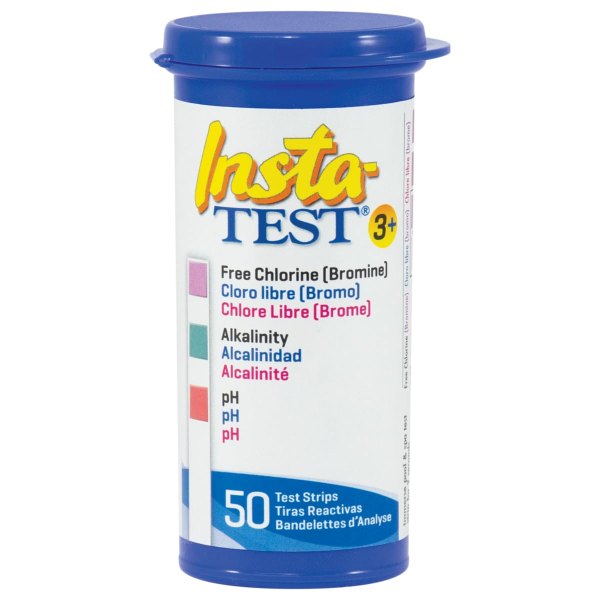 LaMotte Insta-Test 3 Pool Strips (50 ct)
Pro-grade 3-way strips from LaMotte — chlorine, pH & alkalinity, fast and accurate. Top-rated at 4.8★. View on Amazon →
LaMotte Insta-Test 3 Pool Strips (50 ct)
Pro-grade 3-way strips from LaMotte — chlorine, pH & alkalinity, fast and accurate. Top-rated at 4.8★. View on Amazon →
Still need help? Ask a Pool & Spa Expert AD
Get a personalized answer from PoolGuy810 — 30 years owning a pool and spa repair company. Describe your issue and get step-by-step help.
Related Pool Guides
Need More Help?
Try our free pool calculators and tools to help diagnose and fix your pool problems.
Browse Pool ToolsSLAM calculator, pH calculator, salt dosing & more