
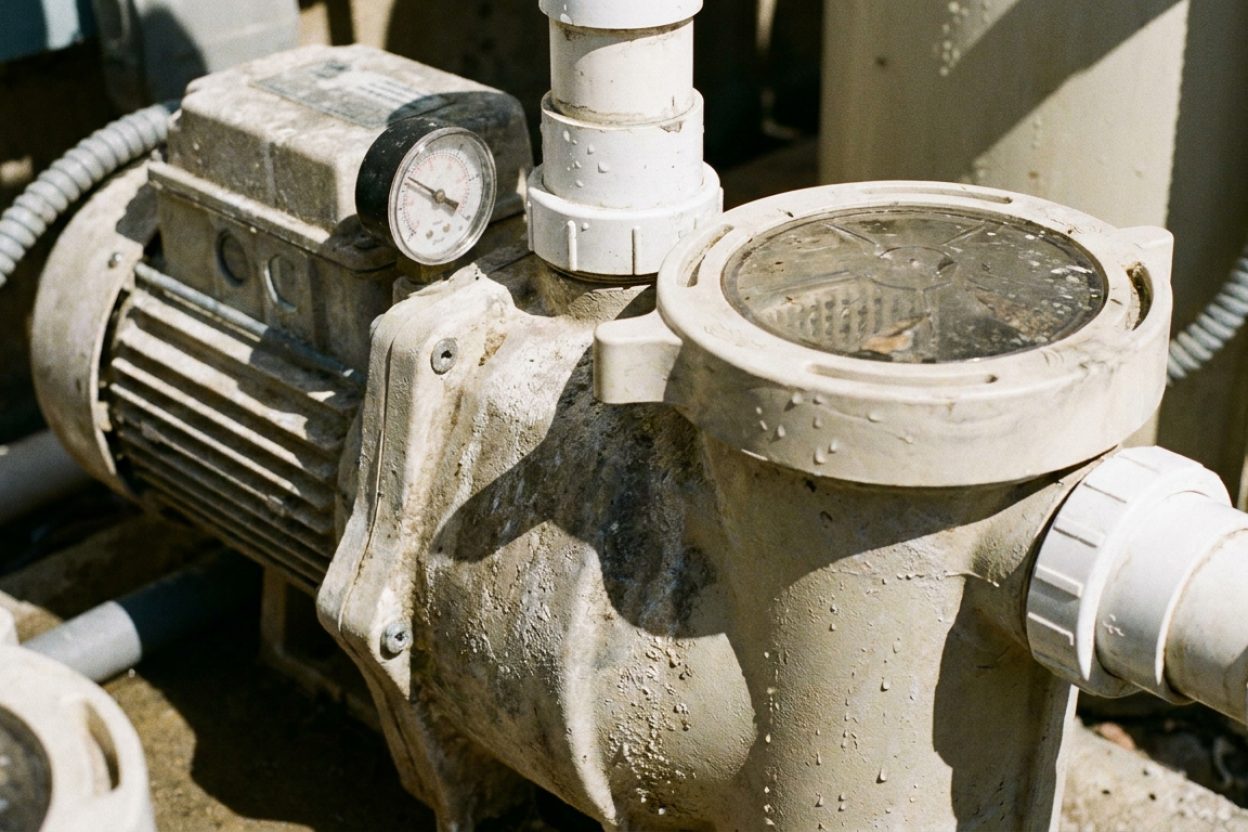
Do I Need to Run My Pool Pump Every Day? Complete Guide

How many hours should I run my pool pump daily for proper filtration?
Read full question
Three hours of constant humming from my pool pump has me wondering if that grinding undertone means I'm overworking it or not running it enough. I have a 20,000-gallon inground pool that gets moderate use from my family of four, plus occasional guests on weekends. During the summer months, I've been running the pump about 6 hours per day, but I'm noticing that my chlorine levels seem uneven throughout the pool, and I'm wondering if that's related to insufficient circulation.
I've heard conflicting advice from neighbors - some say 4-6 hours is plenty, while others insist on 12+ hours daily. My pool store recommended 8 hours minimum, but I want to make sure I'm not under-filtering while also being mindful of electricity costs. Does the runtime need to change based on season, bather load, or pool size? What's the sweet spot for maintaining crystal clear water without over-running the system?
Quick Answer
Yes, run your pool pump daily - about 8-12 hours is typical, rising toward 12-16 hours in peak summer heat. The exact runtime depends on your pool size, bather load, and seasonal conditions, and a variable-speed pump can run longer at low speed for less money.
Why Daily Pump Operation Is Essential
Your pool pump serves as the heart of your pool's circulation system, and skipping days can quickly lead to serious water quality problems. Here's why daily operation is non-negotiable:
- Water circulation distributes sanitizer: It's the chlorine in your water - not the circulation itself - that kills algae and bacteria, but good circulation helps that chlorine reach every part of the pool evenly
- Chemical distribution: Chlorine and other chemicals need constant circulation to reach every area of your pool effectively
- Filtration removes contaminants: Your filter can only work when water is moving through it
- Surface skimming: Daily operation ensures debris and oils are constantly removed from the water surface
- Heat distribution: If you have a pool heater, circulation distributes warm water evenly
Determining Your Optimal Daily Runtime
The industry standard recommends running your pump long enough to turn over your entire pool volume at least once per day, but this is actually the bare minimum. For most residential pools, this translates to 8-12 hours of daily operation.
Calculate Your Pool's Turnover Rate
To determine your minimum runtime, use this formula:
As a rough rule, aim to circulate your water once or twice a day.
our pump runtime & energy calculator works out the minimum hours from your pool volume and pump flow rate.
Factors That Increase Runtime Requirements
- Heavy bather load: Heavy use raises chlorine demand, so you may need extra runtime to keep chlorine distributed and the surface skimmed
- Hot weather: Temperatures above 85°F require additional 2-4 hours of operation
- Algae blooms or green water: Run pump 24/7 during SLAMShock Level And Maintain — raise free chlorine to a target based on your CYA and hold it there until the algae is gone. It's a process, not a one-time dose. the SLAM walkthrough → treatment until water clears
- After rainstorms: Increase runtime by 4-6 hours for 2-3 days following heavy rain
- Peak swimming season: Summer months typically require 12-16 hours daily
Seasonal Runtime Adjustments
Summer Operation (Peak Season)
During summer months when temperatures exceed 80°F and pool usage is highest, run your pump 12-16 hours daily. Higher temperatures accelerate algae growth and increase chlorine consumption, requiring extended circulation. Split the runtime into two periods: 8 hours during peak sun hours (10 AM - 6 PM) and 4-8 hours overnight.
Spring and Fall Operation
Moderate temperatures and reduced swimming allow for 8-10 hours of daily operation. However, spring startup often requires extended runtime for the first few weeks as you balance chemicals and clear any winter debris.
Winter Operation (Mild Climates)
In areas without freezing, reduce runtime to 6-8 hours daily. The pump still needs daily operation to prevent stagnation, but lower temperatures slow biological activity. Never skip days, even in winter.
Energy-Efficient Pumping Strategies
Variable Speed Pump Benefits
If you have a variable speed pump, you can run it 24/7 at lower speeds for the same energy cost as running a single-speed pump 8-10 hours. This provides superior water quality while reducing energy consumption by 30-50%.
Optimal Timing for Energy Savings
Run your pump during off-peak electricity hours when rates are lower, typically between 10 PM and 6 AM. However, ensure at least 4-6 hours of operation occur during peak sun hours (10 AM - 6 PM) when chlorine demand is highest and algae growth most likely.
Signs Your Pump Runtime Is Insufficient
Watch for these indicators that you need to increase daily runtime:
- Cloudy or hazy water despite proper chemical levels
- Algae growth in corners or low-circulation areas
- Difficulty maintaining chlorine levels
- Debris settling on pool bottom
- Uneven water temperature
- Strong chemical odors indicating poor circulation
Common Mistakes to Avoid
Never Skip Days Completely
Some pool owners attempt to save energy by running pumps every other day or only a few days per week. As long as your chlorine stays at the right level for your CYACyanuric Acid (stabilizer) — Sunscreen for your chlorine — it keeps sunlight from burning it off. The catch: the more you have, the more chlorine you need to keep. learn more →, the water won't turn green - but skipping circulation for days lets debris settle, leaves the surface unskimmed, and distributes chlorine unevenly, which makes problems more likely and harder to catch early.
Don't Rely on Minimum Calculations Alone
While turnover calculations provide a starting point, they represent absolute minimums. Real-world conditions almost always require longer runtimes for optimal water quality.
Avoid Extremely Short Runtime Periods
Running your pump for only 2-4 hours daily, even if it technically turns over your pool volume, doesn't provide adequate filtration time or consistent chemical distribution.
Special Circumstances Requiring Extended Operation
During SLAM Treatment
When performing a SLAM (Shock Level And Maintain) process for algae or cloudy water, run your pump 24/7 until you can maintain shock-level free chlorine overnight and achieve crystal-clear water. This process may take 3-7 days depending on severity.
New Pool Startups
Fresh fills and spring openings benefit from 24-hour operation for the first 3-5 days to ensure proper chemical mixing and debris removal.
After Adding Chemicals
Run your pump for at least 4-6 hours after adding any chemicals to ensure complete distribution before swimming.
Maintenance Considerations
More runtime does add some motor and bearing wear over time, so there's no need to over-run the pump - but a pump that sits unused for long stretches can let seals dry out, so regular operation has its own benefit. Either way, keep up basic maintenance:
- Clean skimmer baskets 2-3 times weekly during heavy use
- Backwash or clean filters according to pressure gauge readings
- Monitor pump basket for debris that could restrict flow
- Check for unusual noises or vibrations indicating mechanical issues - a loud grinding or rumbling usually points to worn motor bearings, which can often be replaced before the whole motor fails
Remember: Consistent daily pump operation is the foundation of trouble-free pool maintenance. While the initial energy cost may seem significant, it's far less expensive than dealing with algae blooms, equipment damage, or complete water replacement due to neglect.

Still need help? Ask a Pool & Spa Expert AD
Get a personalized answer from PoolGuy810 — 30 years owning a pool and spa repair company. Describe your issue and get step-by-step help.
Related Pool Guides
Need More Help?
Try our free pool calculators and tools to help diagnose and fix your pool problems.
Browse Pool ToolsSLAM calculator, pH calculator, salt dosing & more