
Can You Use Pool Chlorine in Hot Tub? Safety & Compatibility

Using pool chlorine products in my spa - is this safe?
Read full question
Replaced my hot tub chlorine with leftover pool chlorine yesterday and now the water's still cloudy even though it's burning through sanitizer like crazy. The spa chemicals at the store are ridiculously expensive compared to pool chemicals. I have a bunch of pool shock and liquid chlorine left over from summer - can I just use those in my hot tub instead? I tried using some pool shock last week but the water got really harsh and irritated everyone's skin. My spa dealer keeps pushing their expensive "spa-only" products but I'm wondering if it's just a marketing gimmick. Are pool and spa chemicals really that different, or am I missing something important here?
Quick Answer
You can use some pool chlorine products in hot tubs, but not all - liquid chlorine (sodium hypochlorite) and dichlor granules work fine, while cal-hypo shock and trichlor tablets should be avoided due to pH issues and byproduct buildup in the smaller spa volume.
First, Let's Understand What Went Wrong
Using the wrong pool chemical in a hot tub can quickly throw the water balance off, because the small water volume reacts strongly to even modest doses. Pool shock products often contain calcium hypochlorite (cal-hypo), which is alkaline and can raise pH noticeably in small water volumes like hot tubs. Liquid chlorine is alkaline too and also nudges pH up — the practical difference is that cal-hypo additionally adds calcium. With only 300-500 gallons versus a pool's 15,000+ gallons, even small amounts of the wrong sanitizer can create harsh conditions.
Pool Chemicals That Work in Hot Tubs
Dichlor granules are the chlorine most commonly recommended for hot tubs because they dissolve quickly and are essentially pH-neutral. Other safe options include:
- Liquid chlorine (sodium hypochlorite) - This is identical whether labeled for pools or spas, just different concentrations
- Dichlor granules (sodium dichlor) - The standard, near-pH-neutral hot tub sanitizer; pool and spa dichlor are the same chemical and both work, but watch for CYACyanuric Acid (stabilizer) — Sunscreen for your chlorine — it keeps sunlight from burning it off. The catch: the more you have, the more chlorine you need to keep. learn more → buildup over time
- Muriatic acid for pH adjustment - Same product regardless of labeling
- Sodium bisulfate (pH decreaser) - Interchangeable between pools and spas
Products to Avoid in Your Spa
Several common pool chemicals can wreak havoc in hot tubs:
- Calcium hypochlorite shock - Adds excessive calcium and spikes pH dramatically
- Trichlor tablets - These slowly dissolve and add cyanuric acid, which builds up quickly in small volumes
The key difference is that hot tubs can't handle the byproducts and pH swings that larger pool volumes easily dilute.
Why "Spa-Only" Products Exist
Spa-specific chemicals aren't always a marketing gimmick - they're typically formulated to minimize pH disruption and avoid adding unwanted compounds to small water volumes. However, you're right that the active ingredients are often identical to pool chemicals, just in different concentrations or formulations.
I'd recommend using our chlorine dosing calculator to determine proper amounts, as spa dosing requires much more precision than pool care.
Making the Switch Safely
To fix your current situation and use pool chemicals correctly:
- Test and balance first - Check pH, alkalinity, and current chlorine levels
- Use dichlor granules or liquid chlorine - Start with manufacturer recommended dosing (follow the product label and verify for your specific product, since spas are small and granular dichlor is more concentrated)
- Add muriatic acid if needed - Small amounts (follow manufacturer dosing guidelines, often around 1/4 ounce at a time for hot tubs) to bring pH down to 7.2-7.6. Always add acid to water, never water to acid, and ensure proper ventilation when handling.
- Run pumps continuously - Ensure complete mixing in the small volume
- Wait and retest - Give chemicals 30 minutes to circulate before adding more
For comprehensive water management principles that apply to both pools and spas, check out our complete water chemistry guide.
Long-term Cost Savings
You can absolutely save money using pool chemicals in your spa - just stick to dichlor granules or liquid chlorine and standard pH adjusters. Avoid the temptation to use leftover pool shock or tablets, as the cleanup from chemical imbalances will cost more than buying appropriate products initially.
The smaller water volume in spas means chemical reactions happen faster and more dramatically, so precision matters more than in pools where you have thousands of gallons to buffer mistakes.
For a good estimate of the amounts, use our all-in-one pool calculator to determine a good estimate of the amounts needed for your hot tub.
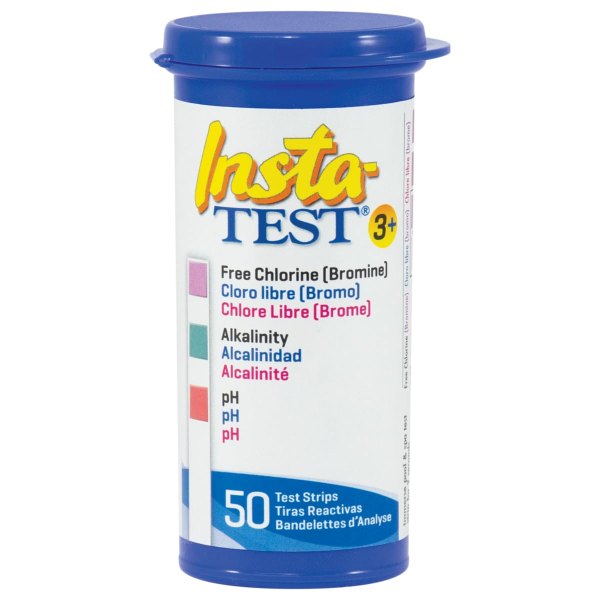 LaMotte Insta-Test 3 Pool Strips (50 ct)
Pro-grade 3-way strips from LaMotte — chlorine, pH & alkalinity, fast and accurate. Top-rated at 4.8★. View on Amazon →
LaMotte Insta-Test 3 Pool Strips (50 ct)
Pro-grade 3-way strips from LaMotte — chlorine, pH & alkalinity, fast and accurate. Top-rated at 4.8★. View on Amazon →
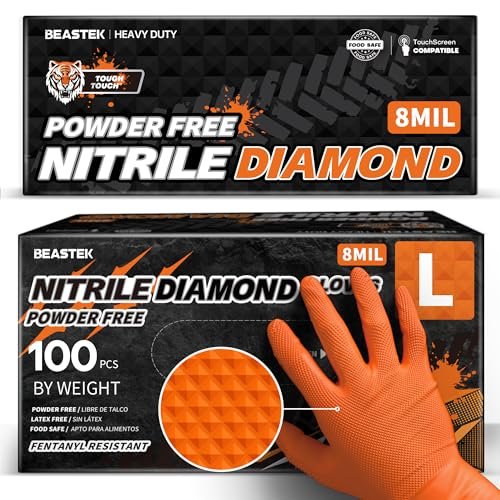 Beastek 8-mil Chemical-Resistant Nitrile Gloves
Disposable nitrile gloves for safe handling of pool chemicals. View on Amazon →
Beastek 8-mil Chemical-Resistant Nitrile Gloves
Disposable nitrile gloves for safe handling of pool chemicals. View on Amazon →
Still need help? Ask a Pool & Spa Expert AD
Get a personalized answer from PoolGuy810 — 30 years owning a pool and spa repair company. Describe your issue and get step-by-step help.
Related Pool Guides
Need More Help?
Try our free pool calculators and tools to help diagnose and fix your pool problems.
Browse Pool ToolsSLAM calculator, pH calculator, salt dosing & more