
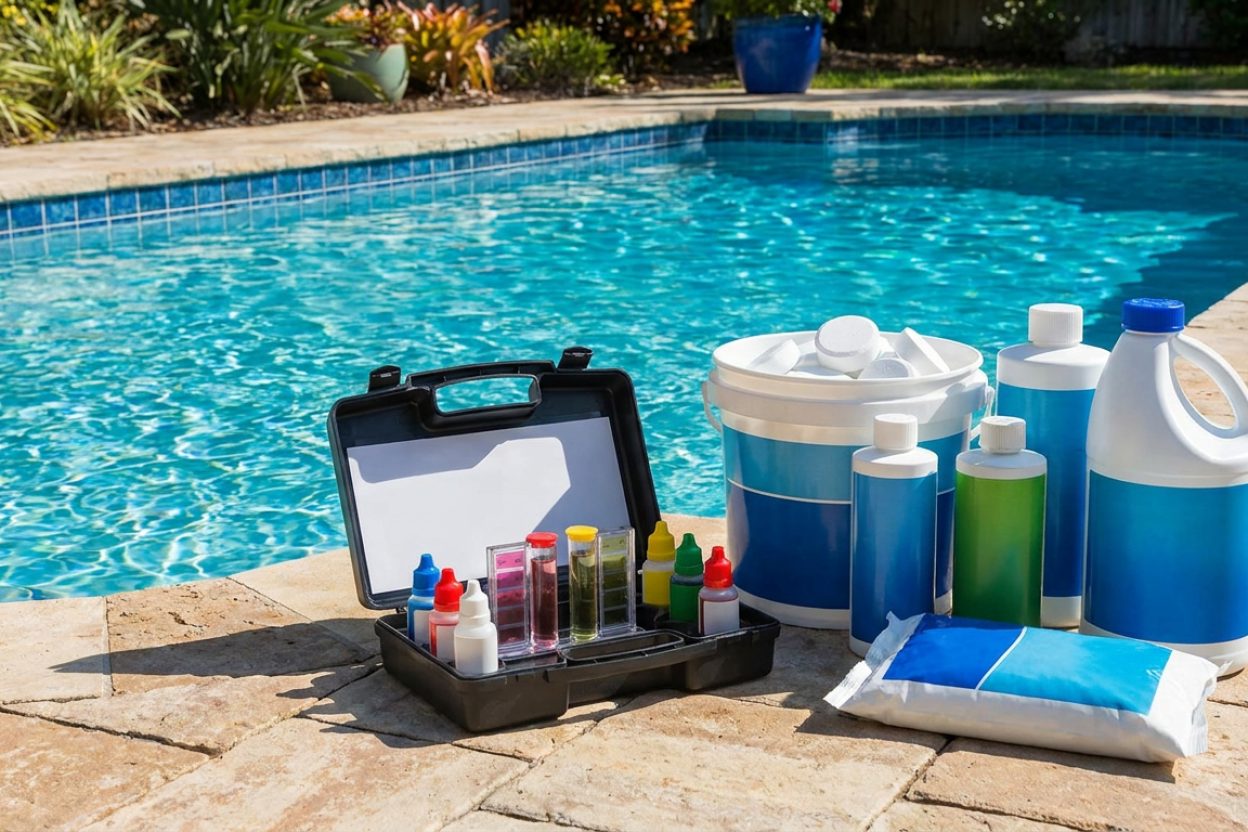
Can Pool Chlorine Hurt Your Eyes? Complete Safety Guide

Is chlorine making my eyes burn and causing damage?
Read full question
Opened a $200 urgent care bill for "chemical eye irritation treatment" last week and now I'm wondering if my pool chemistry is off and fixable myself. The burning is so bad that I can barely open them underwater, and they stay red and irritated for hours afterward. I've been adding chlorine regularly to keep the water clean, but now I'm worried - is this actually damaging my eyes?
I want to keep swimming but not if it's going to cause permanent harm. What kind of eye problems can chlorine actually cause, and how do I know if my levels are too high? I'm hoping there's a way to balance everything properly so I can enjoy my pool without feeling like I'm putting acid in my eyes every time I dive in.
Quick Answer
Swimming in a balanced pool causes, at most, temporary eye irritation — usually from chloramines, not free chlorine. Real chemical burns come only from concentrated products splashed directly in the eye. Keep combined chlorine low, pH at 7.4-7.6, and wear eye protection when handling chemicals.
How Pool Chlorine Affects Your Eyes
Pool chlorine affects your eyes through several mechanisms. Free chlorine, even at the higher end of a properly stabilized pool's range, rarely stings - because most of it is buffered by CYACyanuric Acid (stabilizer) — Sunscreen for your chlorine — it keeps sunlight from burning it off. The catch: the more you have, the more chlorine you need to keep. learn more → into a tiny active fraction. The real culprit behind most eye irritation isn't actually free chlorine itself, but chloramines (combined chlorine) that form when chlorine reacts with organic contaminants like sweat, urine, and body oils.
Chloramines are much more irritating to eyes and mucous membranes than free chlorine. This explains why some pools with 'proper' chlorine levels still cause significant eye irritation - they likely have high combined chlorine levels that need addressing through shock treatment.
Types of Eye Irritation
From swimming (common, temporary):
- Mild irritation: redness, tearing, and stinging that fades within hours
- Chemical conjunctivitis: temporary inflammation of the eye's outer membrane from chloramines or off-balance water
From direct contact with concentrated chemicals (rare, serious):
- Corneal injury or chemical burns: real tissue damage that needs immediate flushing and medical care — this comes from a splash of undiluted shock, acid, or chlorine product, not from pool water.
Dangerous Chlorine Levels for Eyes
Understanding safe chlorine levels helps prevent eye injuries. The ideal free chlorine range for swimming is the right level for your CYA, typically 4-8 ppm for a stabilized outdoor pool. At these levels, properly balanced water should cause minimal eye irritation.
However, eye irritation increases significantly when:
- Combined chlorine (chloramines) exceeds 0.5 ppm
- pH is outside the 7.4-7.6 range
- Total alkalinity is improperly balanced
Shock-level chlorine (10-30+ ppm) used during a SLAMShock Level And Maintain — raise free chlorine to a target based on your CYA and hold it there until the algae is gone. It's a process, not a one-time dose. the SLAM walkthrough → (Shock Level And Maintain) stings sharply and you shouldn't open your eyes underwater in a freshly shocked pool — but it's still diluted pool water, not a concentrated chemical, and a good rinse resolves it.
Water Chemistry Balance for Eye Comfort
Proper water chemistry is crucial for preventing chlorine-related eye irritation. Your pool's pH level significantly affects how chlorine interacts with your eyes. When pH rises above 7.8, chlorine becomes less effective and more irritating. When pH drops below 7.2, the water becomes acidic and can cause burning sensations.
Target Chemistry Levels
- Free Chlorine: Use the FC/CYAFC/CYA chart — The chart that sets your chlorine target from your stabilizer (CYA) level — the two go together. see the chart → relationship — our all-in-one pool calculator estimates the free chlorine target for your CYA.
- Combined Chlorine: Less than 0.5 ppm (ideally 0.0)
- pH: 7.4-7.6 for optimal comfort
- Total Alkalinity: 80-120 ppm (60-80 for salt water pools)
- Cyanuric Acid: 30-50 ppm (70-80 for salt water generators)
Test your water 2-3 times weekly using a reliable test kit like the Taylor K-2006 to maintain these ranges consistently.
Eliminating Chloramines for Eye Comfort
When swimmers complain about eye irritation despite 'normal' chlorine levels, chloramines are usually the problem. These form when free chlorine combines with nitrogen-containing contaminants. The solution is breaking the chloramine bond through shock treatment.
Use liquid chlorine (sodium hypochlorite) for shocking if you don't want to add calcium; cal-hypo also works and is a good option when your calcium hardness is low. Add enough liquid chlorine to reach the shock level for your CYA (about 40% of CYA) and hold until combined chlorine drops to 0.0-0.2 ppm. This process, called SLAM (Shock Level And Maintain), eliminates the irritating chloramines. To estimate the shock level, use our all-in-one pool calculator.
Safety Precautions When Handling Pool Chemicals
Direct contact with concentrated pool chemicals poses serious eye injury risks. Always follow these safety protocols:
- Wear safety goggles when handling any pool chemicals
- Never mix different chemicals together
- Add chemicals to water, never water to chemicals
- Store chemicals in original containers away from children
- Work in well-ventilated areas to avoid inhaling fumes
- Keep a garden hose nearby for emergency flushing
Warning: Granular calcium hypochlorite and trichlor tablets can cause severe chemical burns if they contact eyes directly. These products should never be handled without proper eye protection.
First Aid for Chlorine Eye Exposure
If chlorine gets in your eyes, immediate action is critical:
- Flush eyes immediately with clean, lukewarm water for at least 15-20 minutes
- Remove contact lenses if present and easily removable
- Don't rub your eyes, as this can worsen damage
- Continue flushing while seeking emergency medical care
- Don't use eye drops or medications unless directed by medical professionals
For severe exposures involving concentrated chemicals, call Poison Control (1-800-222-1222) while continuing to flush the eyes.
Prevention Strategies
Preventing chlorine eye injuries requires both proper pool maintenance and personal protection:
- Maintain balanced water chemistry consistently
- Shock (SLAM) when combined chlorine exceeds 0.5 ppm, when FCFree Chlorine — The chlorine actively sanitizing your water right now. This is the number you keep an eye on. how much you need → has hit zero, or when algae appears - not on a fixed weekly schedule
- Encourage pre-swim showers to reduce organic load
- Use swimming goggles in heavily chlorinated pools
- Avoid opening eyes underwater in recently shocked pools
- Install proper ventilation in indoor pool areas
When to Seek Medical Attention
Contact a healthcare provider immediately if you experience:
- Severe eye pain that doesn't improve with flushing
- Vision changes or blurriness
- Persistent redness lasting more than a few hours
- Light sensitivity
- Feeling like something is stuck in your eye
- Any symptoms after direct chemical contact
Remember, your eyes are irreplaceable. When in doubt about chlorine exposure severity, err on the side of caution and seek professional medical evaluation.
For the full breakdown of safe chlorine levels by CYA level, see our pool water chemistry guide.
 Taylor K-2006C Complete FAS-DPD Pool & Spa Test Kit
The FAS-DPD kit pool pros trust — reads chlorine accurately even at shock/SLAM levels, plus pH, alkalinity, calcium hardness and CYA. View on Amazon →
Taylor K-2006C Complete FAS-DPD Pool & Spa Test Kit
The FAS-DPD kit pool pros trust — reads chlorine accurately even at shock/SLAM levels, plus pH, alkalinity, calcium hardness and CYA. View on Amazon →
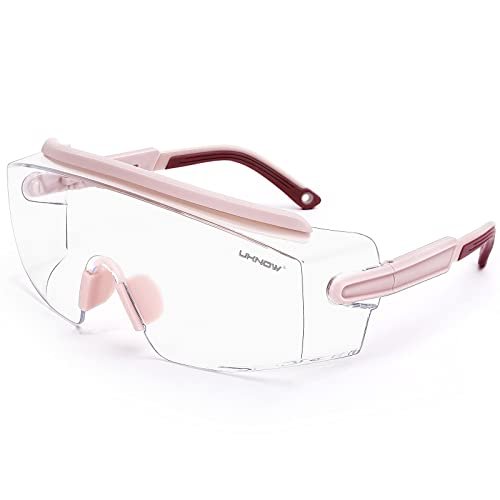 UKNOW Anti-Fog Chemical Splash Safety Goggles
Sealed splash goggles for handling muriatic acid and chlorine. View on Amazon →
UKNOW Anti-Fog Chemical Splash Safety Goggles
Sealed splash goggles for handling muriatic acid and chlorine. View on Amazon →
 Liquid Chlorine / Sodium Hypochlorite (12.5%)
Everyday sanitizer — the B in BBB View on Amazon →
Liquid Chlorine / Sodium Hypochlorite (12.5%)
Everyday sanitizer — the B in BBB View on Amazon →
Still need help? Ask a Pool & Spa Expert AD
Get a personalized answer from PoolGuy810 — 30 years owning a pool and spa repair company. Describe your issue and get step-by-step help.
Related Pool Guides
Need More Help?
Try our free pool calculators and tools to help diagnose and fix your pool problems.
Browse Pool ToolsSLAM calculator, pH calculator, salt dosing & more